

How a Himalayan Salt Company Works
How a Himalayan Salt Business Works
It seems easy when you see a bag of pink Himalayan salt on a shelf at the store. It's just salt, right? But there is a long journey behind that small package that includes mountains, miners, factories, quality checks, and logistics. Let's go through how a Himalayan salt company works, step by step, using examples from the real world that you can picture.
1. Where It All Begins: Deep Inside the Himalayas
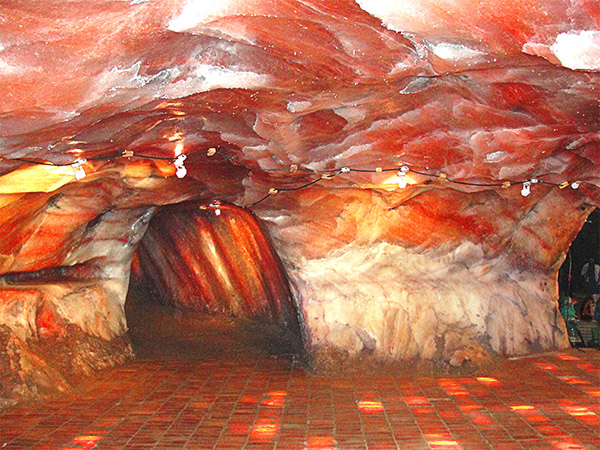
A Himalayan salt company begins its work deep inside the Himalayas, in the old salt mines. Most pink Himalayan salt comes from the Khewra area in what is now Pakistan. Millions of years ago, when ancient seas dried up, salt deposits formed there.
Picture a huge cave underground with pink, orange, and white rock walls. Every morning, miners go into these tunnels wearing helmets and lamps, just like coal miners. But instead of black coal, they chip away rose-colored salt rock.
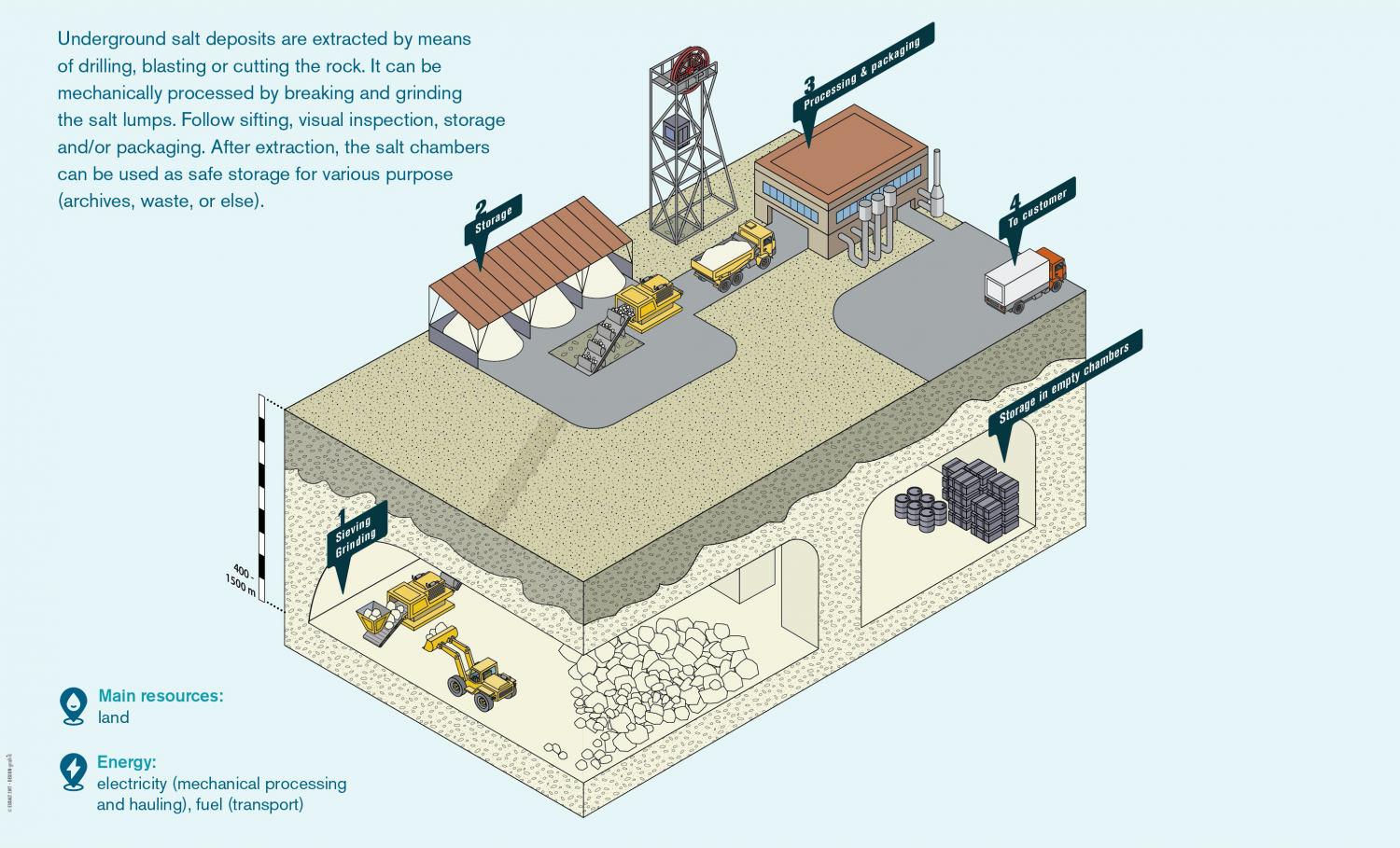
The company either:
-
Owns mining rights, or
-
Works with licensed local miners who extract the salt safely and legally.
2. Mining the Salt: From Rock to Raw Material


Salt is removed in large chunks using controlled drilling and blasting or manual cutting tools. A responsible Himalayan salt company focuses on sustainable mining, meaning:
-
Only part of the salt is removed
-
Pillars of salt are left behind to support the mine
-
Workers follow safety standards
Example:
Think of breaking a large chocolate bar into smaller blocks instead of crushing the whole thing. The structure stays intact, and you still get usable pieces.
These raw salt rocks are then loaded onto trucks and transported to processing facilities.
3. Cleaning & Sorting: Making Salt Food-Safe
Once the salt reaches the processing plant, it’s no longer just a rock—it’s a raw ingredient.
The salt is:
-
Washed with clean water to remove dust and debris
-
Sun-dried or machine-dried
-
Sorted by color and quality
Example:
Just like farmers wash and sort apples before selling them, salt companies separate darker pink salt (often rich in trace minerals) from lighter shades used for lamps or décor.
Lower-grade salt may be sold for:
-
Bath salts
-
Decorative lamps
-
Animal salt licks
Food-grade salt moves to the next stage.
4. Crushing and Grinding: Different Sizes for Different Uses


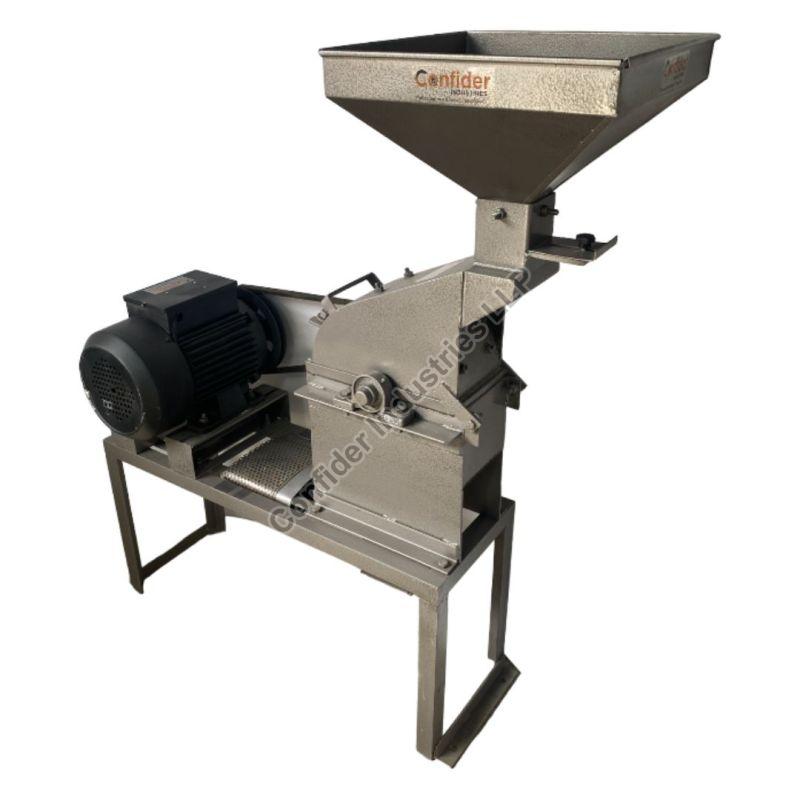
Not all salt is the same size. Himalayan salt companies grind salt into multiple textures:
-
Extra fine – for table salt
-
Coarse – for cooking and grinders
-
Chunks or slabs – for salt cooking plates
Example:
It’s similar to coffee beans. Some people want whole beans, others want coarse grind, and some want espresso-fine powder. Same product—different processing.
Machines crush the salt carefully to avoid overheating, which helps preserve its natural structure.
5. Quality Control & Testing: Trust Is Everything
Before salt is packaged, reputable companies test it for:
-
Purity
-
Heavy metals
-
Moisture content
This is especially important for international exports.
Example:
Just like bottled water companies test their water before sealing bottles, salt companies test every batch to make sure it meets food safety standards in the U.S., Europe, or other markets.
Certificates such as:
-
Food-grade certifications
-
Lab analysis reports
help build trust with buyers and retailers.
6. Packaging: From Bulk to Branded Bags


Now comes the part customers recognize—packaging.
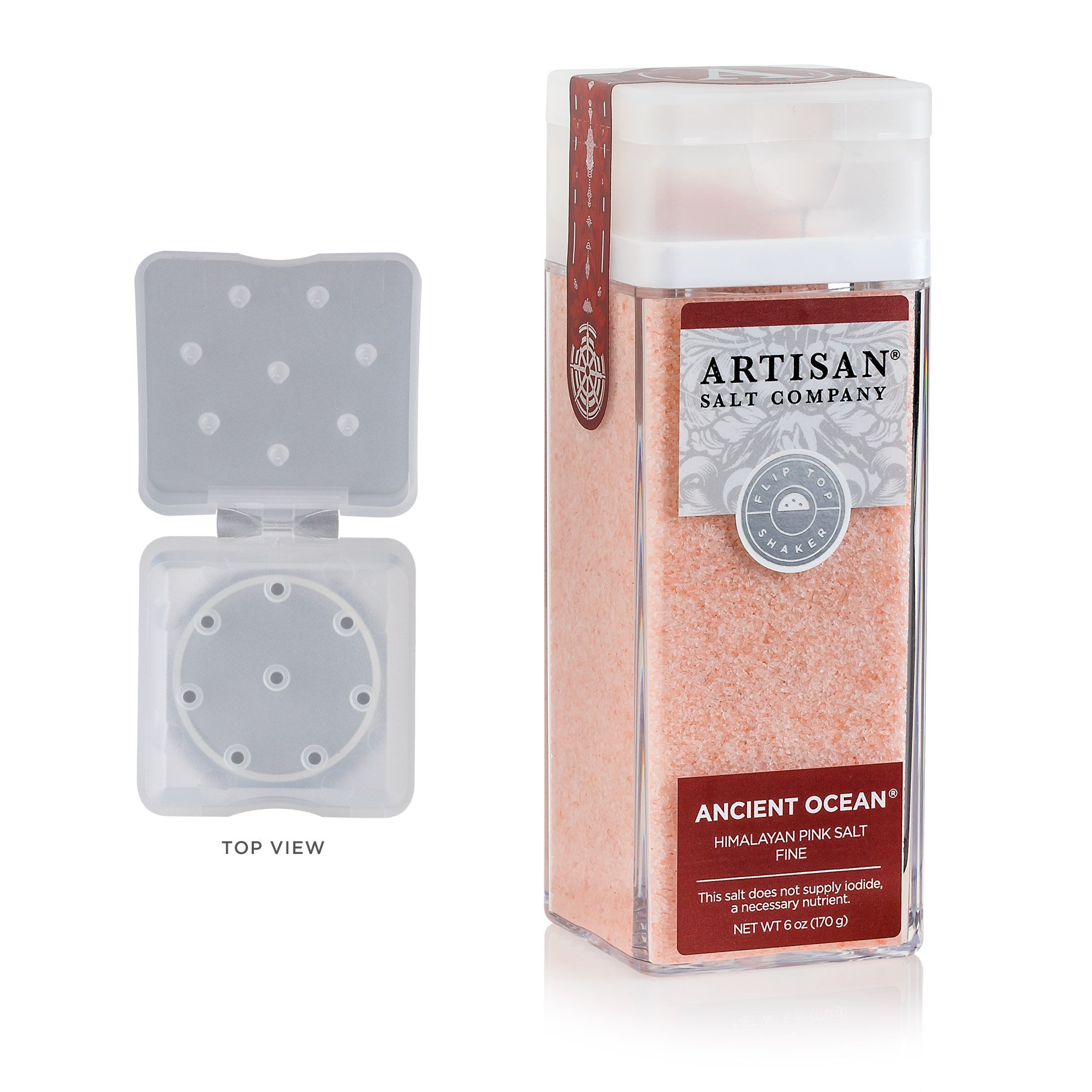
A Himalayan salt company may package salt as:
-
Small retail pouches (200g–1kg)
-
Grinder bottles
-
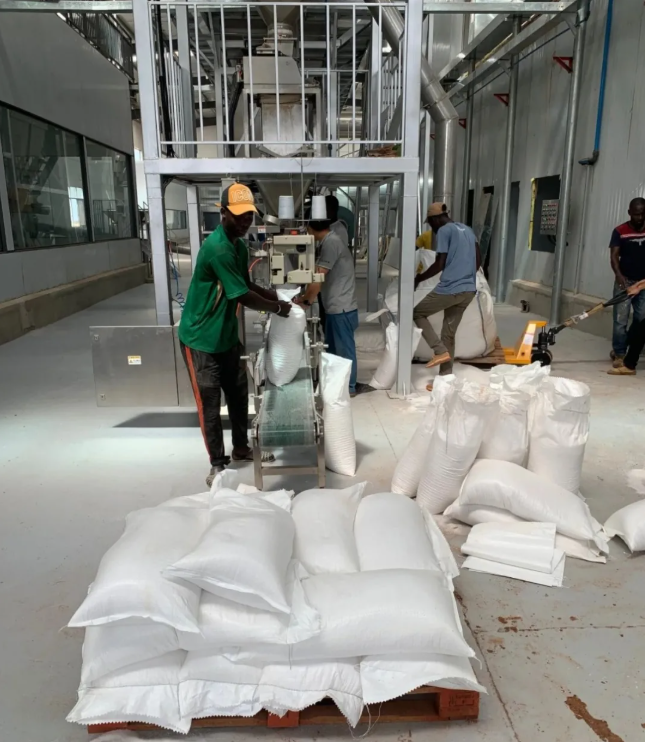
Large bulk sacks (for restaurants or wholesalers)
Example:
Think of rice. The same rice can be sold in a 1-kg household bag or a 50-kg sack for restaurants. Salt works the same way.
Many companies also:
-
Design labels
-
Add nutritional information
-
Highlight “natural” or “unrefined” features
7. Logistics & Export: Reaching the World
Once packed, salt must travel—sometimes thousands of miles.
The company manages:
-
Warehousing
-
Container loading
-
Customs documentation
-
Shipping by sea or land
Example:
A bag of Himalayan salt sold in New York may travel from a mountain mine to a factory, then to a port, cross an ocean, clear customs, and finally arrive at a grocery store shelf.
Efficient logistics keep costs low and delivery reliable.
8. Marketing & Sales: Telling the Salt’s Story
A Himalayan salt company doesn’t just sell salt—it sells a story:
-
Ancient origin
-
Natural pink color
-
Traditional mining
-
Minimal processing
Example:
Like olive oil brands that talk about cold-pressing and old groves, salt brands talk about mountains, minerals, and purity.
Sales happen through:
-
Retail stores
-
Online shops
-
Restaurants
-
Wholesale distributors
9. Beyond Edible Salt: Multiple Revenue Streams
Many Himalayan salt companies diversify into:
-
Salt lamps
-
Salt tiles for walls
-
Spa and bath products
-
Animal feed salt
Example:
Just like a dairy company sells milk, cheese, butter, and yogurt, a salt company uses the same raw material to create many products.
More Than Just Salt
A Himalayan salt company is part mining operation, part food manufacturer, part logistics business, and part brand storyteller. From ancient mountains to modern kitchens, every grain of salt passes through many careful hands.
Simple product. Complex journey.
That’s how a Himalayan salt company works—turning stone from the mountains into something you sprinkle on your dinner table.
Categorías
- Lifestyle
- Motivation
- News & Trends
- AI
- Gadgets & Reviews
- Tech News
- Marketing
- Educación
- Health & Fitness
- Travel
- Food & Cooking
- Entertainment
- Home & Living
- Sports
- Art
- Causes
- Crafts
- Dance
- Drinks
- Film
- Fitness
- Food
- Juegos
- Gardening
- Health
- Home
- Literature
- Music
- Networking
- Other
- Party
- Religion
- Shopping
- Sports
Read More
Living in a peaceful suburb like Eatons Hill comes with many benefits—lush greenery, serene surroundings, and a close-knit community. However, these natural advantages can also invite unwanted guests into your home in the form of pests. From ants and cockroaches to termites and rodents, infestations can quickly turn your safe haven into a source of stress. That’s where professional...

In the world of medicine, two powerful forces are coming together to change how we fight our most difficult diseases. On one side, we have incredible artificial intelligence that can create and discover things faster than any human. On the other, we have a new class of "smart" drugs that can hunt down cancer cells with stunning precision. Together, they are paving the way for a future where...
In the bustling world of business, small and medium enterprises (SMEs) play a pivotal role in driving economic growth. Their agility, innovation, and contribution to employment make them indispensable. However, amid intense competition and regulatory requirements, obtaining an MSME (Micro, Small, and Medium Enterprises) certificate holds profound significance for these enterprises. Let's delve...
When it comes to finding a reliable source for high-quality vaping products, a monster vape shop stands out as a trusted destination for both beginners and experienced users. I always look for consistency, flavor accuracy, and product variety, and that’s exactly what a well-stocked monster vape shop offers. Among the many flavor categories available, citrus blends continue to dominate the...
Starting a Non-Governmental Organization (NGO) is a meaningful step toward creating social change in areas such as education, healthcare, women empowerment, environmental protection, and rural development. However, before an NGO can legally operate, raise funds, or apply for government schemes, choosing the right NGO registration type is essential. In India, NGOs can be registered under...