

How a Himalayan Salt Company Works
How a Himalayan Salt Business Works
It seems easy when you see a bag of pink Himalayan salt on a shelf at the store. It's just salt, right? But there is a long journey behind that small package that includes mountains, miners, factories, quality checks, and logistics. Let's go through how a Himalayan salt company works, step by step, using examples from the real world that you can picture.
1. Where It All Begins: Deep Inside the Himalayas
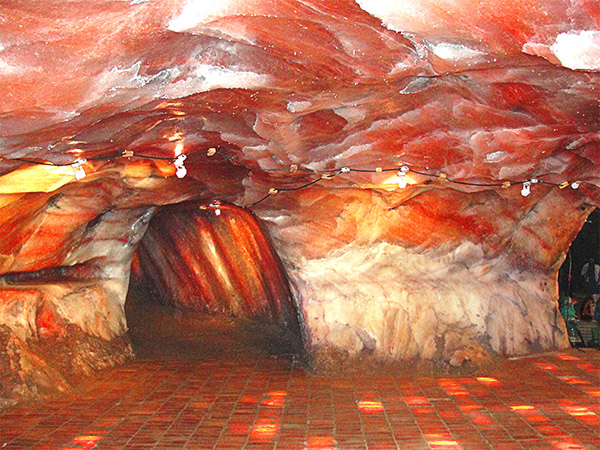
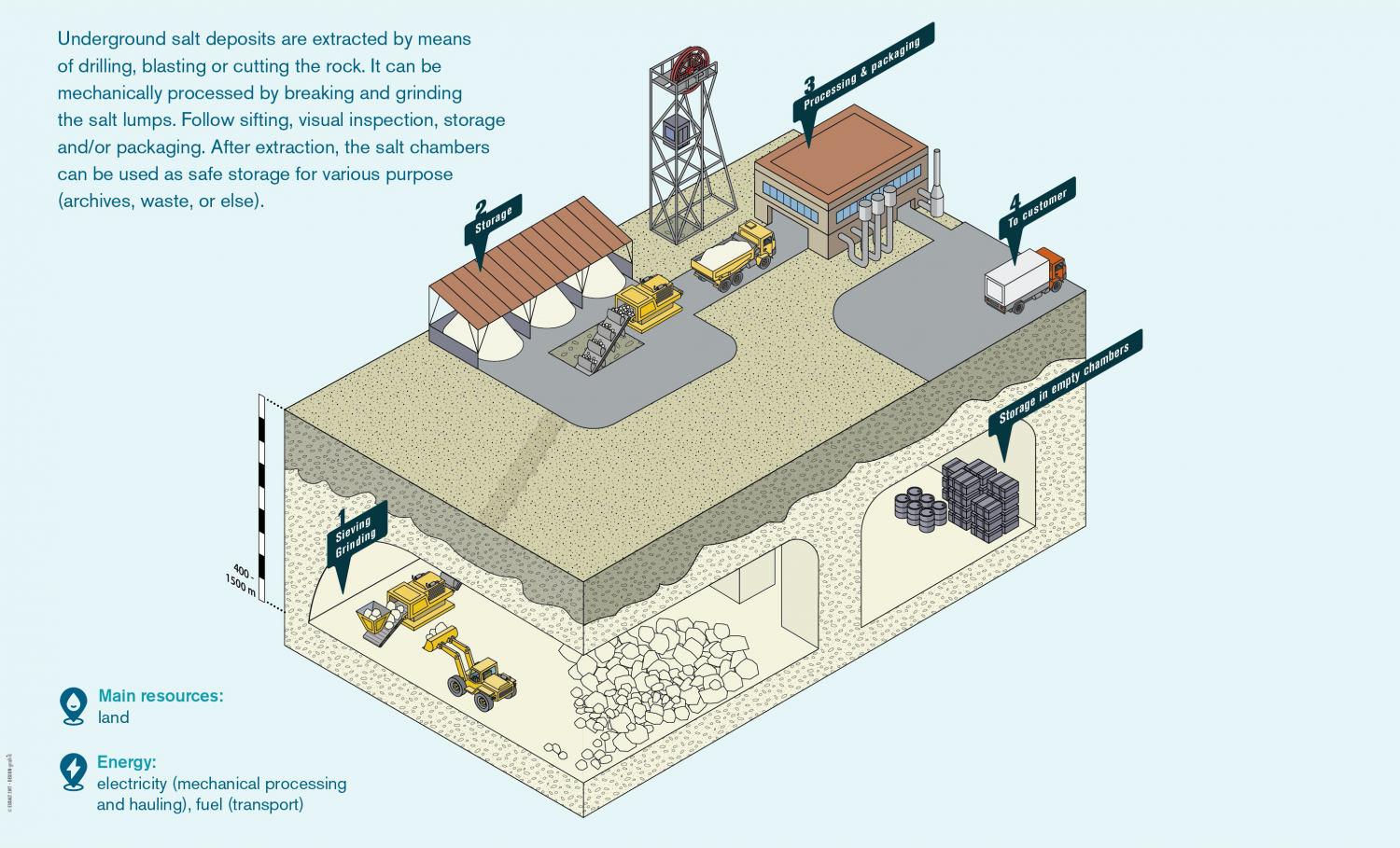
A Himalayan salt company begins its work deep inside the Himalayas, in the old salt mines. Most pink Himalayan salt comes from the Khewra area in what is now Pakistan. Millions of years ago, when ancient seas dried up, salt deposits formed there.
Picture a huge cave underground with pink, orange, and white rock walls. Every morning, miners go into these tunnels wearing helmets and lamps, just like coal miners. But instead of black coal, they chip away rose-colored salt rock.
The company either:
-
Owns mining rights, or
-
Works with licensed local miners who extract the salt safely and legally.
2. Mining the Salt: From Rock to Raw Material


Salt is removed in large chunks using controlled drilling and blasting or manual cutting tools. A responsible Himalayan salt company focuses on sustainable mining, meaning:
-
Only part of the salt is removed
-
Pillars of salt are left behind to support the mine
-
Workers follow safety standards
Example:
Think of breaking a large chocolate bar into smaller blocks instead of crushing the whole thing. The structure stays intact, and you still get usable pieces.
These raw salt rocks are then loaded onto trucks and transported to processing facilities.
3. Cleaning & Sorting: Making Salt Food-Safe
Once the salt reaches the processing plant, it’s no longer just a rock—it’s a raw ingredient.
The salt is:
-
Washed with clean water to remove dust and debris
-
Sun-dried or machine-dried
-
Sorted by color and quality
Example:
Just like farmers wash and sort apples before selling them, salt companies separate darker pink salt (often rich in trace minerals) from lighter shades used for lamps or décor.
Lower-grade salt may be sold for:
-
Bath salts
-
Decorative lamps
-
Animal salt licks
Food-grade salt moves to the next stage.
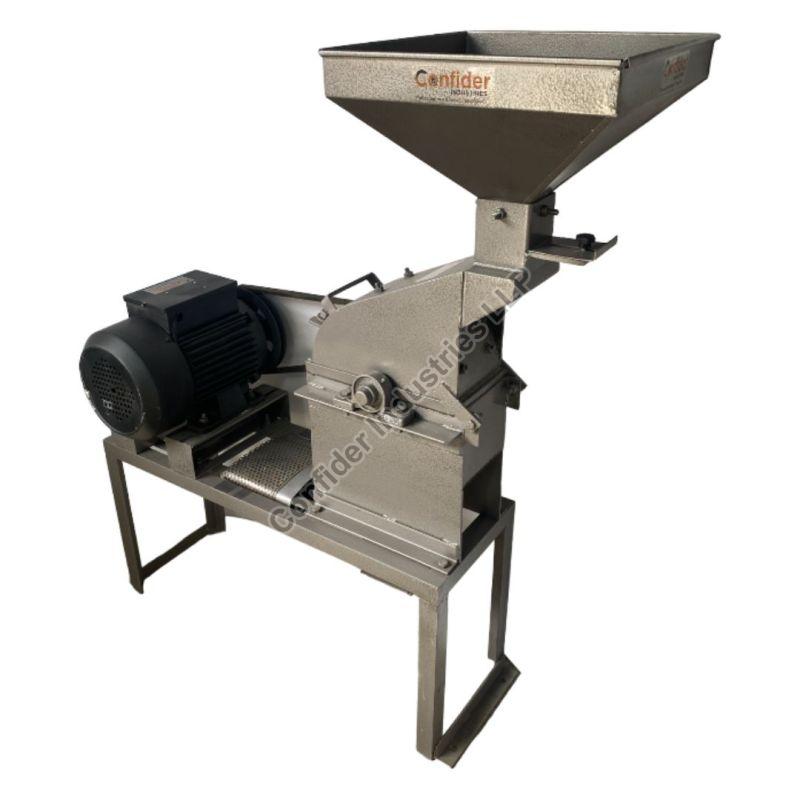
4. Crushing and Grinding: Different Sizes for Different Uses


Not all salt is the same size. Himalayan salt companies grind salt into multiple textures:
-
Extra fine – for table salt
-
Coarse – for cooking and grinders
-
Chunks or slabs – for salt cooking plates
Example:
It’s similar to coffee beans. Some people want whole beans, others want coarse grind, and some want espresso-fine powder. Same product—different processing.
Machines crush the salt carefully to avoid overheating, which helps preserve its natural structure.
5. Quality Control & Testing: Trust Is Everything
Before salt is packaged, reputable companies test it for:
-
Purity
-
Heavy metals
-
Moisture content
This is especially important for international exports.
Example:
Just like bottled water companies test their water before sealing bottles, salt companies test every batch to make sure it meets food safety standards in the U.S., Europe, or other markets.
Certificates such as:
-
Food-grade certifications
-
Lab analysis reports
help build trust with buyers and retailers.
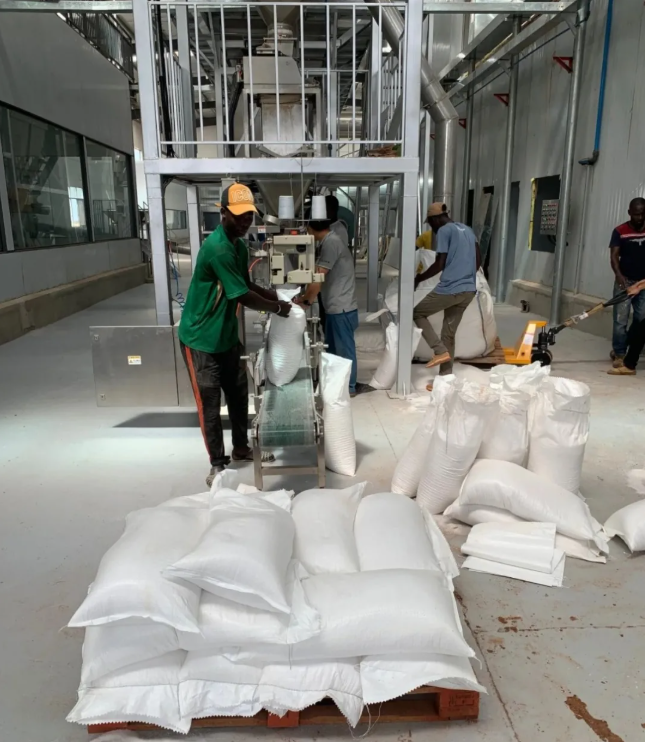
6. Packaging: From Bulk to Branded Bags


Now comes the part customers recognize—packaging.
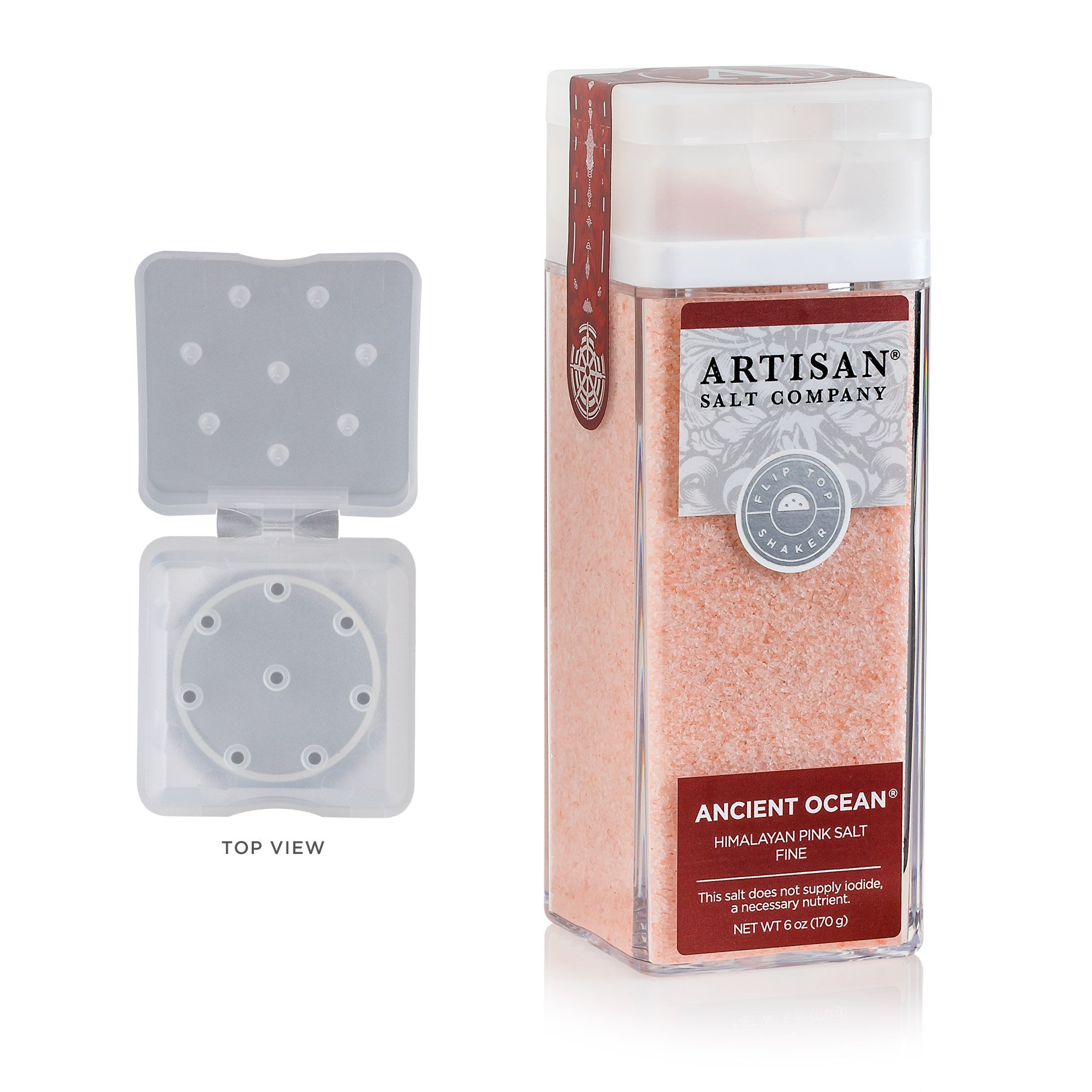
A Himalayan salt company may package salt as:
-
Small retail pouches (200g–1kg)
-
Grinder bottles
-
Large bulk sacks (for restaurants or wholesalers)
Example:
Think of rice. The same rice can be sold in a 1-kg household bag or a 50-kg sack for restaurants. Salt works the same way.
Many companies also:
-
Design labels
-
Add nutritional information
-
Highlight “natural” or “unrefined” features
7. Logistics & Export: Reaching the World
Once packed, salt must travel—sometimes thousands of miles.
The company manages:
-
Warehousing
-
Container loading
-
Customs documentation
-
Shipping by sea or land
Example:
A bag of Himalayan salt sold in New York may travel from a mountain mine to a factory, then to a port, cross an ocean, clear customs, and finally arrive at a grocery store shelf.
Efficient logistics keep costs low and delivery reliable.
8. Marketing & Sales: Telling the Salt’s Story
A Himalayan salt company doesn’t just sell salt—it sells a story:
-
Ancient origin
-
Natural pink color
-
Traditional mining
-
Minimal processing
Example:
Like olive oil brands that talk about cold-pressing and old groves, salt brands talk about mountains, minerals, and purity.
Sales happen through:
-
Retail stores
-
Online shops
-
Restaurants
-
Wholesale distributors
9. Beyond Edible Salt: Multiple Revenue Streams
Many Himalayan salt companies diversify into:
-
Salt lamps
-
Salt tiles for walls
-
Spa and bath products
-
Animal feed salt
Example:
Just like a dairy company sells milk, cheese, butter, and yogurt, a salt company uses the same raw material to create many products.
More Than Just Salt
A Himalayan salt company is part mining operation, part food manufacturer, part logistics business, and part brand storyteller. From ancient mountains to modern kitchens, every grain of salt passes through many careful hands.
Simple product. Complex journey.
That’s how a Himalayan salt company works—turning stone from the mountains into something you sprinkle on your dinner table.
Κατηγορίες
- Lifestyle
- Motivation
- News & Trends
- AI
- Gadgets & Reviews
- Tech News
- Marketing
- Εκπαίδευση
- Health & Fitness
- Travel
- Food & Cooking
- Entertainment
- Home & Living
- Sports
- Art
- Causes
- Crafts
- Dance
- Drinks
- Film
- Fitness
- Food
- Παιχνίδια
- Gardening
- Health
- Κεντρική Σελίδα
- Literature
- Music
- Networking
- άλλο
- Party
- Religion
- Shopping
- Sports
Διαβάζω περισσότερα
Introduction There’s something about a cross necklace that just stays. Trends come and go, chains get thicker, thinner, flashier… but the cross? It sticks around. Not loud, not trying too hard. Just there. For some, it’s faith. For others, it’s memory, identity, or even just a quiet kind of strength they don’t talk about much. And honestly, the deeper you look,...
Regression testing is a critical part of modern software development, ensuring that new changes do not break existing functionality. Yet, despite its importance, many teams struggle to get it right. Instead of acting as a safety net, regression testing often becomes slow, unreliable, and difficult to maintain. So why does regression testing fail-and more importantly, how can teams fix it? In...
Introduction: For dog owners, choosing a collar can feel like a simple decision—but it’s also an opportunity to merge function, fun, and creativity. Dayglo dog collars aren’t just another accessory; they redefine how we think about dogs’ daily lives, outdoor adventures, and even their personalities. Beyond Visibility: Why Dayglo Collars Stand Out What sets dayglo...
Launching a startup is both an exciting and challenging journey, especially when transforming an innovative idea into a market-ready product. Entrepreneurs often face limitations in resources, technical expertise, and time, which makes the development phase critical to success. In such a competitive landscape, startups must focus on building scalable, user-centric, and high-quality solutions...
The Trapstar Tracksuit Classic Hoodie Set is a perfect blend of modern streetwear style and everyday comfort. Known for its bold identity and strong urban influence, this hoodie set combines a stylish hoodie with matching joggers to create a coordinated outfit. The design reflects the energy of contemporary street culture while maintaining a clean and timeless appearance. Whether worn for...