


What Does Climate Resilience Mean? A Complete Guide for Businesses by Correntics
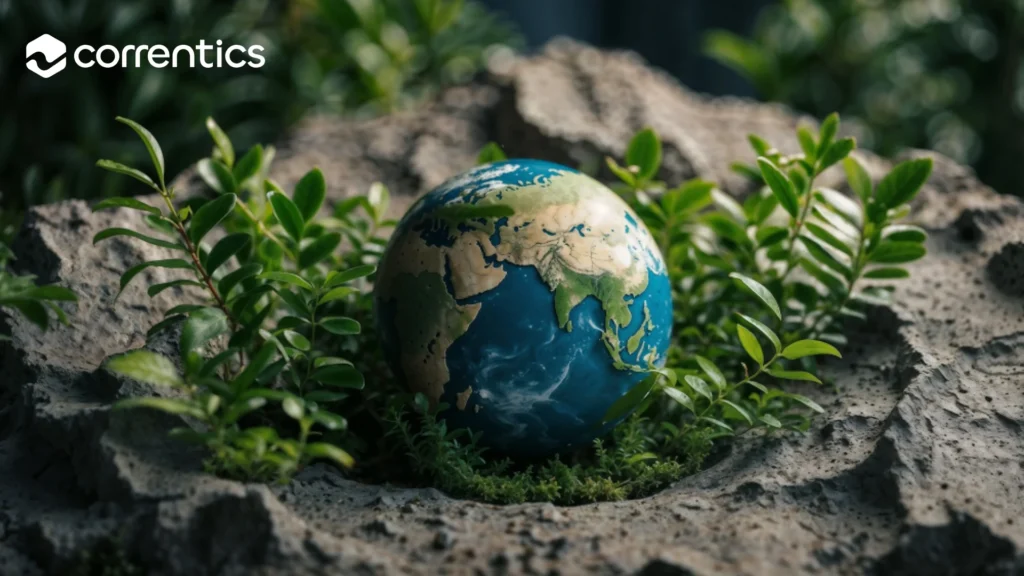
Climate change is no longer a distant concern—it is a present reality affecting businesses, economies, and communities worldwide. From extreme weather events to rising temperatures and supply chain disruptions, companies face increasing environmental risks that can impact operations and long-term growth. As a result, many organizations are focusing on building climate resilience to adapt and thrive in a changing environment.
But what does climate resilience really mean for businesses? It goes beyond simply responding to environmental challenges. Climate resilience involves developing strategies, systems, and processes that help organizations anticipate, manage, and recover from climate-related risks.
In this guide, we will explain what climate resilience means, why it is important for businesses, and how companies can build strong climate resilience with the help of solutions like those offered by Correntics.
What Does Climate Resilience Mean?
Climate resilience refers to the ability of a business, community, or system to anticipate, prepare for, respond to, and recover from climate-related risks and disruptions.
These risks can include:
-
Extreme weather events such as floods, storms, and heatwaves
-
Rising sea levels
-
Changes in natural resources
-
Supply chain disruptions
-
Regulatory and environmental policy changes
A climate-resilient organization is able to adapt to these challenges while continuing to operate effectively and maintain long-term stability.
Why Climate Resilience Is Important for Businesses
Businesses that ignore climate risks may face operational disruptions, financial losses, and reputational damage. On the other hand, organizations that prioritize climate resilience can protect their assets, maintain productivity, and gain a competitive advantage.
1. Reducing Operational Risks
Climate events such as floods or extreme heat can disrupt business operations. Climate resilience planning helps organizations identify vulnerabilities and implement strategies to reduce risks.
2. Protecting Supply Chains
Global supply chains are increasingly affected by environmental challenges. By building climate resilience, businesses can diversify suppliers, strengthen logistics planning, and reduce supply chain disruptions.
3. Meeting Regulatory Requirements
Governments and regulatory bodies around the world are introducing new climate disclosure requirements. Businesses must now measure and report climate risks as part of their sustainability efforts.
4. Enhancing Investor Confidence
Investors are increasingly prioritizing companies that demonstrate strong environmental, social, and governance (ESG) practices. Climate resilience initiatives show that a business is prepared for future environmental challenges.
Key Components of Climate Resilience
To build climate resilience, businesses need to focus on several important areas.
Climate Risk Assessment
The first step in climate resilience is identifying potential climate-related risks. This includes evaluating how environmental changes could affect operations, infrastructure, and financial performance.
Adaptation Strategies
Once risks are identified, companies must develop strategies to adapt to these challenges. This may involve improving infrastructure, adjusting business processes, or adopting new technologies.
Data Monitoring and Analytics
Climate data and predictive analytics help organizations understand environmental trends and prepare for future risks.
Sustainable Business Practices
Implementing sustainable practices—such as energy efficiency, resource conservation, and carbon reduction—helps businesses reduce environmental impact and strengthen resilience.
How Businesses Can Build Climate Resilience
Organizations can take several steps to strengthen their climate resilience and prepare for environmental challenges.
1. Conduct Climate Risk Analysis
Businesses should evaluate how climate risks may affect their operations, supply chains, and financial performance. Climate risk assessments provide valuable insights for decision-making.
2. Develop Adaptation Plans
Companies should create strategies that allow them to respond effectively to climate-related disruptions. This could include infrastructure improvements, operational adjustments, or emergency preparedness plans.
3. Integrate Climate Strategy into Business Planning
Climate resilience should not be treated as a separate initiative. Instead, it should be integrated into overall business strategy and long-term planning.
4. Invest in Technology and Data Solutions
Modern climate analytics tools help organizations monitor risks, evaluate potential impacts, and plan proactive responses.
The Role of Correntics in Climate Resilience
Building climate resilience requires advanced data analysis and reliable tools. This is where Correntics supports businesses in managing climate-related risks effectively.
Correntics provides innovative climate risk and sustainability solutions that help organizations:
-
Analyze climate-related risks
-
Monitor environmental data
-
Improve climate reporting and compliance
-
Develop climate adaptation strategies
-
Strengthen sustainability initiatives
By using advanced analytics and climate intelligence, Correntics enables businesses to make informed decisions and build long-term resilience.
Benefits of Climate Resilience for Organizations
Companies that prioritize climate resilience gain several long-term benefits.
Improved Business Continuity
Resilient organizations can continue operating even during environmental disruptions.
Cost Savings
Proactive climate strategies can reduce damage, operational downtime, and financial losses.
Stronger Brand Reputation
Customers and stakeholders increasingly support companies that prioritize sustainability and environmental responsibility.
Competitive Advantage
Businesses that adapt to climate risks faster than competitors can maintain stronger market positions.
Future Trends in Climate Resilience
Climate resilience is becoming a major focus for organizations worldwide. Several emerging trends are shaping the future of climate risk management.
Increased Climate Regulations
Governments are introducing stricter climate disclosure rules and sustainability requirements.
Advanced Climate Analytics
AI and data-driven tools are improving the accuracy of climate risk analysis.
Greater Focus on ESG Reporting
Companies are increasingly expected to demonstrate transparency in environmental and sustainability reporting.
Conclusion
Climate change presents significant challenges for businesses, but it also creates opportunities for organizations that are prepared to adapt. Understanding what climate resilience means is the first step toward building a sustainable and future-ready business.
By assessing climate risks, implementing adaptation strategies, and using advanced technology solutions, companies can strengthen their ability to respond to environmental challenges.
Solutions offered by Correntics help businesses analyze climate risks, improve sustainability practices, and build strong climate resilience. By investing in climate resilience today, organizations can protect their operations, support sustainable growth, and ensure long-term success in an increasingly uncertain climate future.
Categorieën
- Lifestyle
- Motivation
- News & Trends
- AI
- Gadgets & Reviews
- Tech News
- Marketing
- Onderwijs
- Health & Fitness
- Travel
- Food & Cooking
- Entertainment
- Home & Living
- Sports
- Art
- Causes
- Crafts
- Dance
- Drinks
- Film
- Fitness
- Food
- Spellen
- Gardening
- Health
- Home
- Literature
- Music
- Networking
- Other
- Party
- Religion
- Shopping
- Sports
Read More
Meat freshness determines whether customers trust your business with their protein purchases. Simple freshness tips transform ordinary operations into quality-focused businesses customers remember positively. Your attention to freshness details separates you from careless competitors losing customers. Proper handling and storage practices directly impact whether customers return or leave....

New State Mobile is a multiplayer online battle royale video game developed by PUBG Studios and published by Krafton. The game was released on November 11, 2021, for iOS, iPadOS, and Android through the App Store, Google Play, and Samsung Galaxy Store. It is the second installment in the PUBG universe, distinct from PUBG Battlegrounds and its mobile version. As of December 2021, the game...

Commuting in the United Arab Emirates can feel like both a blessing and a challenge. On one hand, you’re moving between two of the most dynamic cities in the region—Dubai and Abu Dhabi—where culture, commerce, and innovation thrive. On the other, traffic, scheduling issues, and long drives can quickly turn what should be an easy journey into a draining experience. The good...

The global Rapid Diagnostics Market is witnessing significant growth as healthcare systems worldwide prioritize faster disease detection and immediate clinical decision-making. Rapid diagnostic tests (RDTs) are medical tools designed to provide quick and accurate results within minutes, enabling healthcare professionals to diagnose diseases efficiently without lengthy laboratory...
The growing interest in custom aprons for women reflects more than a preference for tailored clothing; it highlights how practical garments quietly carry personal identity into daily routines. An apron has long been associated with labor—cooking, crafting, gardening, teaching, or studio work. What has shifted is the attention given to fit, design, and meaning, turning a once-uniform item...
