


How to Measure Window Width for Ready-Made Pleated Curtains
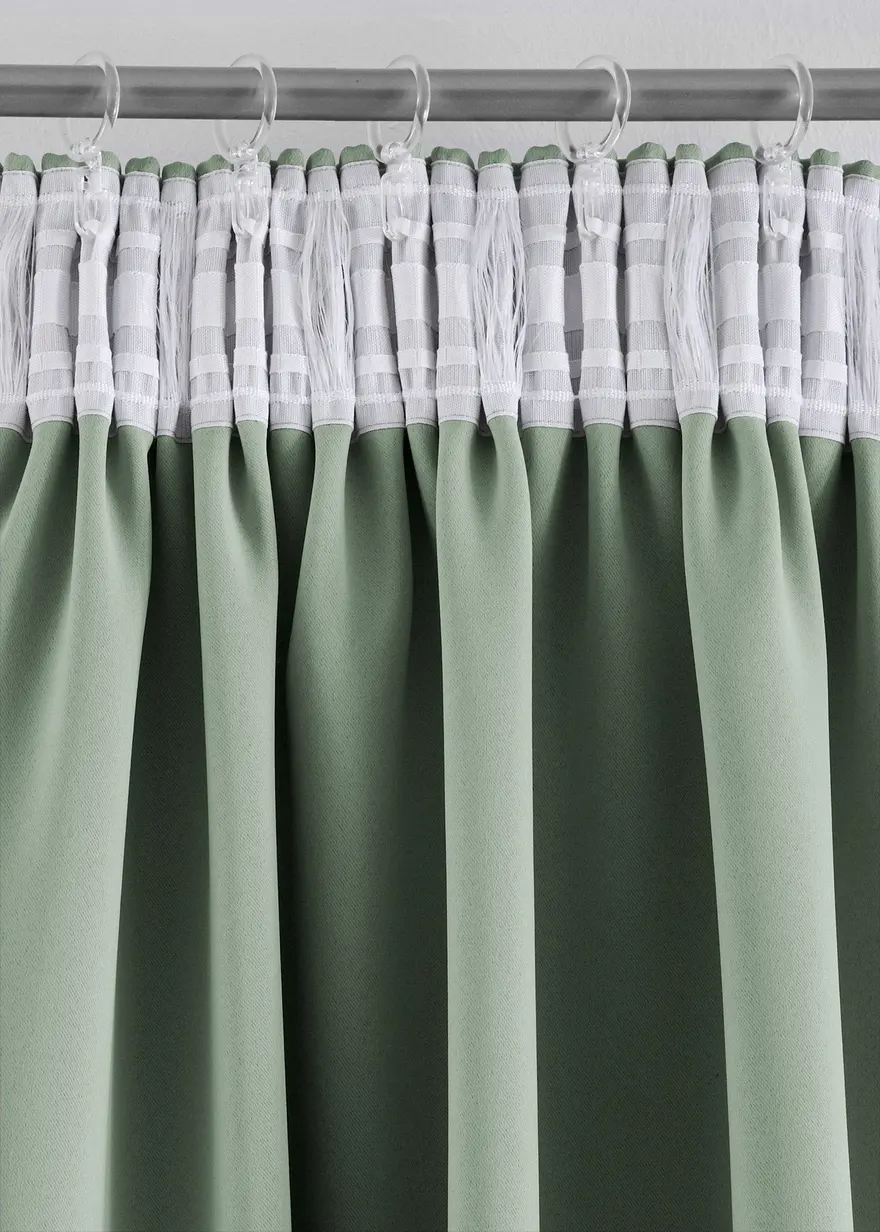
Getting the width right is one of the most important steps when choosing ready-made pleated curtains. A curtain that is too narrow can leave the window looking unfinished, while one that is too wide may gather awkwardly and reduce the neat, structured appearance pleated styles are known for. If you are buying curtains for a living room, bedroom, kitchen, or dining space, accurate measuring will help you achieve a balanced and polished result.
This guide explains how to measure your window width properly, what to allow for when hanging pleated curtains, and how to avoid the most common mistakes. It also helps if you are comparing different styles such as curtains ready made pencil pleat, since the amount of fabric needed depends on the heading style and the look you want to create.
Key points
- Measure the full width of the curtain pole or track, not just the glass area.
- Allow extra width for stack back so the curtains do not cover too much of the window when open.
- Check the curtain heading type, as pleated curtains need fullness to hang correctly.
- Use a metal tape measure for accuracy and measure in centimetres.
- Always take at least two measurements to confirm consistency.
Why window width matters for pleated curtains
Pleated curtains are designed to gather into structured folds, which means they need enough fabric to look full and balanced. If the measured width is too exact, the curtain may appear flat or sparse. On the other hand, if the width is overestimated, the curtains can look overcrowded and may not draw back properly.
In the UK, many homes have windows with varying frame sizes, deep recesses, or existing curtain poles. This makes it especially important to measure the full installed width rather than relying on the size of the window opening alone. The pole or track is what determines how the curtain will hang, so that should always be your main reference point.
What you need before measuring
Before you start, gather a few simple tools:
- A metal tape measure for accuracy
- A step stool if the pole or track is high
- A pen and paper or notes app to record measurements
- A spirit level if you are checking the alignment of a new pole
It is best to measure in daylight so you can see the full width clearly. If you already have a pole or track in place, make sure it is fixed securely before taking your measurements. A loose fitting can give misleading results.
How to measure the window width correctly
Measure the pole or track, not the glass
The most reliable method is to measure the full width of the curtain pole or track from one end to the other. Do not measure only the width of the window glass or the recess unless you are fitting the curtain inside the recess and the instructions specifically call for that.
If you are fitting outside the recess, measure the pole or track because that is the actual span the curtain will cover. This is particularly important for pleated curtains, which rely on the width of the hanging system to create the right shape.
Allow for stack back
Stack back refers to the space the curtains take up when they are fully open and gathered to each side. If you want as much natural light as possible, the pole should extend beyond the window frame on both sides. This allows the curtains to sit neatly off the glass when open.
A common approach is to add around 15 to 20 cm on each side of the window, though this depends on the look you want and the space available. In a smaller room, you may prefer a more compact arrangement, while larger rooms can usually accommodate wider stack back.
Check whether the curtains are for a recess or outside fit
For an inside recess fit, measure the exact width of the recess in three places: top, middle, and bottom. Use the smallest measurement if the opening is slightly uneven. For an outside fit, measure the area you want the curtains to cover, then add extra width so the curtains extend beyond the frame. This usually creates a more elegant finish and helps reduce light leakage at the sides.
Understanding fullness for pleated curtains
Pleated curtains are not usually bought at the same width as the window itself. They need fullness so the pleats can form properly once hung. The amount of fullness depends on the heading style and the effect you want.
As a general guide, many pleated curtains work best when the total curtain width is around 1.5 to 2 times the width of the pole or track. A fuller look creates richer folds, while a lighter gather gives a cleaner and less formal appearance. Always check the product details, as heading styles vary.
If you are using ready-made curtains, the width listed is often the flat fabric width of each curtain panel. This means you should consider the combined width of both curtains, not just one panel, when checking suitability for your window.
Step-by-step measuring example
Imagine your curtain pole measures 180 cm across. If you want a balanced pleated look, you may need curtains with a combined flat width of around 270 cm to 360 cm, depending on the fullness required. Two panels of 150 cm each would give 300 cm in total, which would suit many standard windows.
If the pole extends beyond the frame by 15 cm on each side, the total pole width becomes wider than the glass area. That extra width helps the curtains stack away neatly and improves the overall finish.
When measuring, write down the following:
- Pole or track width
- Desired extension beyond the frame
- Whether the curtains are for inside or outside the recess
- The fullness recommended for the heading style
Common measuring mistakes to avoid
Measuring the wrong part of the window
One of the most common errors is measuring only the window frame and forgetting the pole or track. Curtains hang from the fitting, not the glass, so this can lead to a poor fit.
Ignoring the curtain heading
Different pleated headings need different amounts of fabric. A pencil pleat, for example, gathers more tightly than some other styles, so the flat width needed may be greater than expected. Always read the product information carefully.
Not checking for obstructions
Radiator covers, handles, window vents, and deep sills can all affect how curtains hang. Make sure the fabric will clear any obstacles when open and closed.
Forgetting the drop from the pole
Although this article focuses on width, the drop also matters. If the curtains are too wide but too short, the overall effect will still feel wrong. It is sensible to note both measurements at the same time.
Tips for accurate results in UK homes
Many UK properties have uneven walls, slightly bowed window recesses, or older fittings. Because of this, taking multiple measurements is especially useful. Measure from left to right and then repeat the process to confirm consistency. If the measurements differ, use the smallest safe width for a recess fit, or the widest practical width for an outside fit.
If you are replacing old curtains, do not assume the previous pair was measured correctly. Instead, measure the current pole or track again. Homes change over time, and older curtain fittings may not reflect the best sizing for your needs now.
For large bay windows or wide spans, consider whether the pole is in one continuous run or made up of sections. This affects how the curtains will gather and where they will stack when open.
Choosing the right width for a neat finish
The ideal width depends on both practicality and appearance. If you want a formal, full look, choose a wider total curtain width. If you prefer something simpler and more tailored, a lighter gather may be better. The important thing is that the curtains should hang evenly and cover the window properly without strain.
When in doubt, compare the product width against your pole width and think about how much fabric will remain visible when the curtains are closed. A little extra fullness is usually better than curtains that look stretched.
Conclusion
Measuring window width for ready-made pleated curtains is straightforward once you know what to look for. Focus on the pole or track, allow for stack back, and check the fullness needed for the heading style. Taking careful measurements before you buy will help your curtains hang beautifully, improve light control, and create a more refined finish in any room.
By avoiding common measuring mistakes and recording your dimensions properly, you can choose curtains with confidence and reduce the risk of returns or alterations. A few extra minutes spent measuring now can make a noticeable difference to the final result.
FAQ
Should I measure the window frame or the curtain pole?
Measure the curtain pole or track, as this is the actual width the curtains will cover. Only measure the frame if you are fitting inside the recess and the product instructions say to do so.
How much wider should the pole be than the window?
Many people allow around 15 to 20 cm extra on each side so the curtains can stack neatly and let in more light when open. The exact amount depends on the room and the space available.
Do pleated curtains need extra width?
Yes. Pleated curtains need fullness so the folds can form properly. The total curtain width is usually wider than the pole or track width, often around 1.5 to 2 times wider depending on the style.
What if my measurements are slightly different at each point?
Use the smallest measurement for a recess fit, or the widest practical width for an outside fit. This helps avoid curtains that are too tight or uneven.
Can I use the same measuring method for all ready-made curtains?
The basic method is similar, but the amount of fullness needed can vary depending on the heading style. Always check the curtain product details before buying.

 English
 Arabic
 French
 Portuguese
 Deutsch
 Turkish
 Dutch
Dutch
 Italiano
 Russian
 Romaian
 Portuguese (Brazil)
 Greek
Greek