

How Is Sleep Apnea Diagnosed in Children?
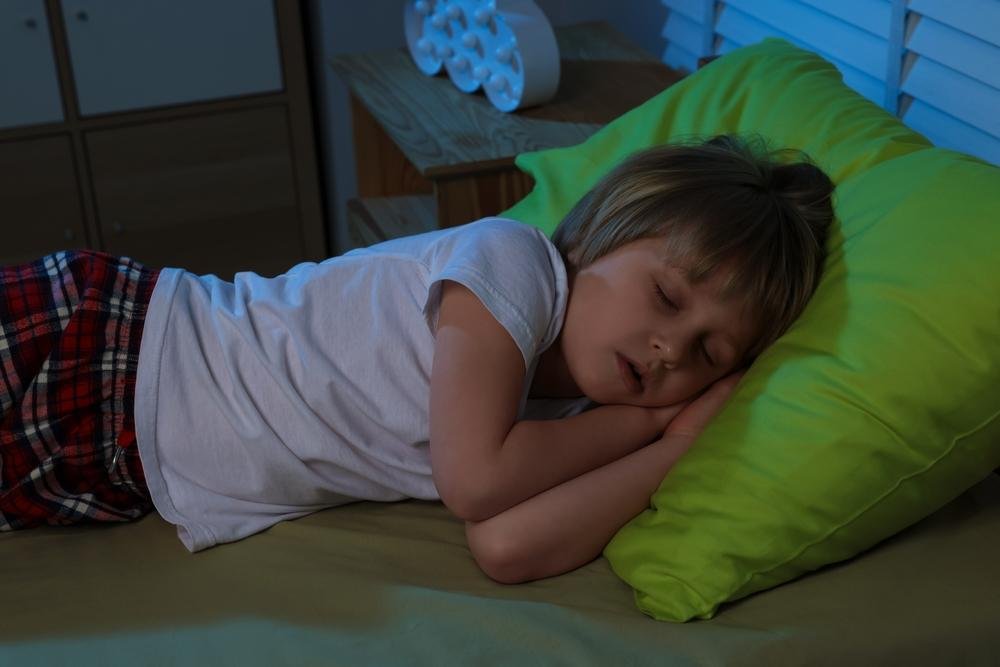
Sleep problems in children can sometimes be difficult to recognize, especially when symptoms happen while they are asleep. Frequent snoring, pauses in breathing, restless sleep, or unusual daytime behavior may raise questions about sleep apnea in children.
Because these symptoms can have several possible causes, diagnosis usually involves more than simply observing how a child sleeps.
What Is Pediatric Sleep Apnea?
Sleep apnea is a condition in which breathing repeatedly stops or becomes restricted during sleep. In children, obstructive sleep apnea occurs when the upper airway becomes partially or completely blocked while the child is sleeping.
The condition can interfere with normal sleep and breathing. Children may not always describe feeling tired in the same way adults do. Instead, poor sleep may show up as irritability, difficulty concentrating, behavioral changes, or problems at school.
What Symptoms May Lead to an Evaluation?
Parents may notice several signs at night or during the day. Common nighttime symptoms can include:
-
Frequent or loud snoring
-
Pauses in breathing
-
Gasping, snorting, or choking sounds
-
Restless sleep
-
Mouth breathing
-
Unusual sleeping positions
-
Nighttime sweating
During the day, some children may have difficulty paying attention, changes in behavior, morning headaches, or excessive sleepiness. Symptoms can differ from one child to another.
Snoring alone does not necessarily mean a child has sleep apnea. However, regular snoring combined with other symptoms should be discussed with a healthcare professional.
What Happens During the Initial Evaluation?
The diagnostic process often starts with a conversation about the child's sleep habits and symptoms. A healthcare professional may ask how often the child snores, whether breathing pauses have been noticed, how the child behaves during the day, and whether there are other relevant health concerns.
A physical examination may also look at the child's nose, mouth, throat, tonsils, and other features that could affect breathing during sleep.
Medical history is important because certain children may have a higher risk of obstructive sleep apnea. Enlarged tonsils or adenoids and obesity are recognized risk factors, while craniofacial differences and certain neuromuscular conditions may also contribute.
Is a Sleep Study Needed?
When a child regularly snores and has symptoms or signs of obstructive sleep apnea, the American Academy of Pediatrics recommends polysomnography, commonly known as an overnight sleep study, or referral for further evaluation when appropriate.
During polysomnography, several body functions are monitored while the child sleeps. Depending on the setting, measurements may include breathing, oxygen levels, heart rate, brain activity, and body movements.
The results can help determine whether obstructive sleep apnea is present and provide information about its severity.
Can Other Tests Be Used?
If a full sleep study is not available, healthcare professionals may consider other forms of testing or specialist referral. These can include overnight oximetry, video recording, or other sleep-related assessments.
However, these alternatives do not always provide the same level of diagnostic information as polysomnography. AAP guidance identifies polysomnography as the standard objective test for diagnosing childhood obstructive sleep apnea.
What Happens After Diagnosis?
Once a child has been diagnosed, the treatment plan depends on several factors, including the severity of the condition, its underlying cause, and the child's overall health.
Enlarged tonsils and adenoids are common contributors to pediatric obstructive sleep apnea. For many children with enlarged tonsils or adenoids, adenotonsillectomy may be recommended. Other children may need different approaches, including CPAP or medical treatment depending on their circumstances.
Follow-up may also be necessary, particularly if symptoms continue after treatment.
When Should Parents Talk to a Doctor?
Parents do not need to wait for symptoms to become severe before discussing concerns with a healthcare professional. Regular snoring, witnessed breathing pauses, gasping during sleep, or significant daytime changes can all be reasons to seek an evaluation.
Early evaluation can help distinguish ordinary snoring from a sleep-related breathing disorder and guide appropriate next steps.
Understanding the Diagnosis Process
Diagnosing pediatric sleep apnea involves looking at the child's symptoms, medical history, physical findings, and, when appropriate, objective sleep testing. A thorough evaluation helps determine whether disrupted breathing is affecting the child's sleep and what treatment may be appropriate.
Once a diagnosis is established, families can discuss obstructive sleep apnea treatment with a qualified healthcare professional based on the child's individual needs.

 English
 Arabic
 French
 Spanish
 Deutsch
 Turkish
 Dutch
Dutch
 Italiano
 Russian
 Romaian
 Portuguese (Brazil)
 Greek
Greek