


Why Freshness Matters in Extra Virgin Olive Oil
Introduction
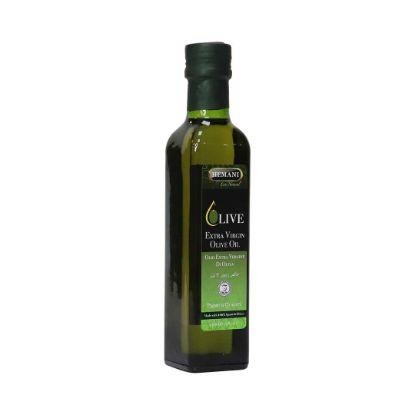
Extra virgin olive oil is one of the most popular and respected ingredients used in kitchens around the world. It is valued for its natural taste, pleasant aroma, and many health benefits. People use it for salads, cooking, dipping bread, and preparing a wide range of dishes. However, one important factor that many consumers overlook is freshness. Just like fruits, vegetables, and dairy products, olive oil also has a freshness window in which it delivers the best flavor and nutrition.
Fresh olive oil provides a richer taste and stronger health benefits compared to oil that has been stored for a long time. When olive oil becomes old, it can lose its natural aroma, flavor, and beneficial nutrients. Understanding why freshness matters can help people choose better olive oil and enjoy a higher quality cooking experience.
Understanding Extra Virgin Olive Oil
Extra virgin olive oil is the highest grade of olive oil available. It is made from fresh olives that are pressed without using heat or chemical processing. This method is often called cold pressing. Because of this careful process, the oil keeps its natural flavor, color, and nutrients.
Unlike refined oils, extra virgin olive oil goes through minimal processing. This means it contains natural antioxidants, vitamins, and healthy fats that support overall health. These qualities make it a preferred choice for people who want a natural and healthy cooking ingredient. Many chefs and home cooks choose extra virgin olive oil for cooking because it adds both flavor and nutrition to meals.
However, because it is less processed, the oil is also more sensitive to time, light, heat, and air. This is why freshness plays such a crucial role in maintaining its quality.
What “Freshness” Means in Olive Oil
Freshness in olive oil mainly refers to the time between harvesting the olives and using the oil. Olives are typically harvested once a year during the harvest season. After they are picked, they are quickly pressed to produce oil. The best quality olive oil is usually produced when olives are processed within a short time after harvesting.
Many bottles show an expiration date, but the harvest date is often more helpful when judging freshness. A bottle of olive oil can technically last for many months, but its best flavor and nutrients are usually enjoyed within the first year after production.
Fresh olive oil maintains its bright color, natural aroma, and strong flavor. As time passes, the oil slowly begins to lose these qualities.
Flavor and Aroma: Fresh Oil Makes the Difference
One of the biggest advantages of fresh extra virgin olive oil is its vibrant taste and aroma. Fresh oil often has fruity, grassy, or slightly peppery notes. These flavors add depth and character to food, making even simple dishes taste better.
When olive oil becomes old, its taste can become flat or dull. In some cases, it may even develop a stale or rancid flavor. This happens because the natural compounds in the oil begin to break down over time.
Fresh oil is especially important for dishes where olive oil is a key ingredient, such as salad dressings, pasta toppings, or dipping sauces. Using fresh oil can greatly improve the overall taste of a meal.
Nutritional Value and Health Benefits
Fresh extra virgin olive oil is also rich in important nutrients. It contains healthy monounsaturated fats, antioxidants, and natural plant compounds known as polyphenols. These nutrients are known to support heart health and help reduce inflammation in the body.
However, these beneficial compounds slowly decrease as the oil ages. The longer olive oil is stored, the more these nutrients begin to break down. This means older oil may not provide the same level of health benefits as fresh oil.
For people who focus on healthy eating, choosing fresh olive oil can make a meaningful difference in their diet.
Signs of Fresh vs. Old Olive Oil
There are several ways to recognize whether olive oil is fresh or old. Fresh olive oil usually has a pleasant aroma that may remind people of fresh olives, grass, or green herbs. Its taste is often lively and slightly peppery in the throat.
Older oil, on the other hand, may smell dull or slightly sour. It can taste flat or even unpleasant. In some cases, rancid olive oil may have a smell similar to old nuts or stale butter.
Checking the label can also help. Looking for the harvest date or production date gives a better idea of when the oil was made.
Proper Storage to Maintain Freshness
Proper storage is another key factor in keeping olive oil fresh. Light, heat, and air can all speed up the process that causes oil to lose its quality.
Olive oil should be stored in a cool and dark place, away from direct sunlight or heat sources such as stoves. Dark glass bottles or metal containers are often used because they help protect the oil from light.
It is also best to keep the bottle tightly closed when not in use. Limiting the oil’s exposure to air helps slow down oxidation, which can cause the oil to spoil more quickly.
Why Buying Fresh Olive Oil Matters for Consumers
Choosing fresh olive oil offers many advantages. Fresh oil has a stronger and more enjoyable flavor, which improves the taste of meals. It also provides higher levels of beneficial nutrients that support a healthy diet.
For people who enjoy cooking with natural ingredients, fresh olive oil can make a noticeable difference in both taste and quality. Many traditional diets around the world also include other fresh dairy and natural fats such as fresh white butter, which are valued for their simple ingredients and natural flavor.
By choosing fresh and high-quality ingredients, consumers can improve both the flavor and nutritional value of their meals.
Common Mistakes People Make with Olive Oil
Many people unintentionally reduce the quality of their olive oil through common mistakes. One common mistake is buying large quantities of olive oil and storing it for too long. Even if the bottle is not empty, the oil may lose its freshness before it is fully used.
Another mistake is storing olive oil near heat sources, such as next to the stove or oven. Heat can speed up the breakdown of the oil’s natural compounds. Leaving the bottle open for long periods can also expose the oil to air, which can lead to faster oxidation.
Avoiding these simple mistakes can help preserve the oil’s quality for a longer time.
Conclusion
Freshness plays a very important role in the quality of extra virgin olive oil. Fresh oil offers the best flavor, aroma, and nutritional value. Over time, olive oil naturally loses some of its beneficial compounds and taste, which is why paying attention to harvest dates and storage conditions is important.
By choosing fresh olive oil and storing it properly, consumers can enjoy its full benefits in everyday cooking. Whether used in salads, cooking, or simple meals, fresh olive oil can enhance both the taste and health value of food. Understanding the importance of freshness allows people to make better choices and fully appreciate this natural and traditional ingredient.
Categories
- Lifestyle
- Motivation
- News & Trends
- AI
- Gadgets & Reviews
- Tech News
- Marketing
- Education
- Health & Fitness
- Travel
- Food & Cooking
- Entertainment
- Home & Living
- Sports
- Art
- Causes
- Crafts
- Dance
- Drinks
- Film
- Fitness
- Food
- Games
- Gardening
- Health
- Home
- Literature
- Music
- Networking
- Other
- Party
- Religion
- Shopping
- Sports
Read More
In today’s fast-changing job market, traditional education alone often doesn't secure stable and rewarding employment. Industries are frequently looking for individuals with practical skills, technical knowledge, and real-world experience. This shift has made Vocational Education Courses increasingly important, as they prioritize hands-on training and career-focused learning....

Sabja Seeds (Sweet Basil Seeds): Benefits, Uses, and Possible Side Effects Sabja seeds are small, black seeds that many of us have seen floating in falooda, milkshakes, sherbets, and summer drinks. Their jelly-like texture after soaking and their cooling nature make them especially popular during hot weather. Though tiny in size, sabja seeds offer impressive health benefits when consumed the...

Have you ever found out about a school event at the last minute? Maybe your child tells you at 9 PM that they need a costume for tomorrow’s activity. Or you discover there was a parent meeting yesterday that you completely missed. It feels frustrating. Stressful. Embarrassing even. In today’s fast moving world, communication gaps between schools and parents should not exist. Yet...

Creating a beautiful home is not just about buying expensive furniture or following trends. It’s about designing a space that reflects your personality, enhances comfort, and improves functionality. Whether you prefer a modern look or the charm of traditional décor, the right approach can transform your living space completely. These modern interior design tips and classic styling...

After a long day filled with responsibilities, deadlines, and constant digital noise, many people search for something simple yet meaningful — a place to relax, listen to great music, and reconnect with friends or even themselves. Typing “music lounge near me” into a search bar has become more than a casual habit; it reflects a growing desire for experiences that combine...