


How can small restaurants build a strong food brand identity?
Small restaurants face many challenges in busy markets today. Building a strong brand helps them stand out from big chains. A clear brand tells customers what makes a place special. It creates trust and brings people back over and over. Strong branding does not need lots of money for advertising. It comes from knowing what the restaurant clearly stands for. This guide shows easy ways to create a brand people remember. Small changes can make a big difference in success. Every restaurant has something unique to offer its customers. Finding that special thing is the first step forward.
What makes a restaurant brand different from others?
A restaurant brand is more than a name on the door. It includes everything customers see when they visit the place. The way workers greet guests matters a lot to people. Colors used in the dining room tell a story too. Even the music playing shapes how people feel inside. Small restaurants should think about what makes them unique first. Maybe the cook uses old family recipes from grandparents. Perhaps the restaurant gets food from nearby farms every day. These special things become the heart of the brand. Sharing these stories with customers makes them feel connected. People love knowing where their food comes from each day.
Why does knowing customers help build a strong identity?
Understanding who comes to eat changes how restaurants present themselves. A place serving quick lunches needs different branding than dinner spots. Parents with kids look for different things than dating couples. Small restaurants should watch who comes in most often. They should ask customers what they like best about visiting. This information helps make better choices about menus and prices. When a restaurant knows its customers well, it speaks to them. This makes the brand feel personal instead of generic. How small restaurants create a strong food brand identity starts with listening carefully. Paying attention to customers brings better results every single time.
How does consistent style help people remember the brand?
Colors and images work together to make a restaurant recognizable. Choosing two or three main colors and using them helps. The same writing style on menus and signs helps too. Small restaurants should choose a style that matches their food. A pizza place might use bright reds and casual letters. A fish restaurant could choose blues and greens instead. Keeping these elements the same everywhere makes the brand professional. People start to remember the colors and connect them. This recognition brings customers back when they want to eat. Simple choices about colors create big impacts over time.
What does wrapping do for building brand awareness today?
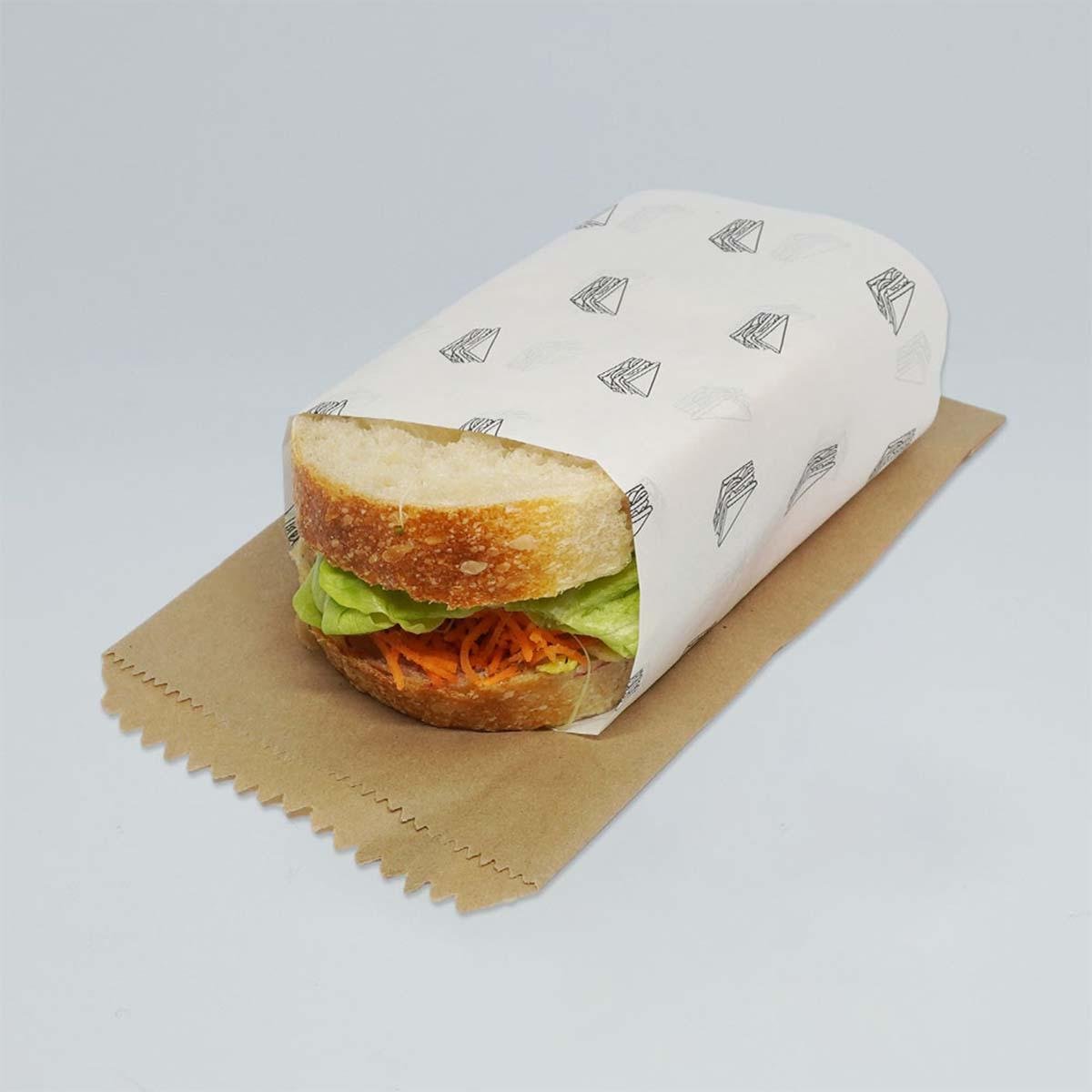
Every item leaving the restaurant carries the brand to new places. Takeout bags and napkins become little messengers that spread the word. Good wrapping shows customers that the restaurant cares about quality. Plain white bags make food forgettable to most people. Branded ones create lasting impressions that stick in minds. Custom sandwich wrapping paper can display the logo and main colors clearly. This turns each takeout order into a moving advertisement outside. Quality wrapping protects food and keeps it looking fresh. When friends see interesting wrapping, they ask where it came from. This creates free marketing that costs nothing after the first order.
How can wrapping help restaurants compete with bigger chains?
Professional presentation levels the playing field for small restaurants today. Big chains spend millions on branding and wrapping design. Small places can compete by investing in quality materials. Custom Wax Paper offers solutions that help small eateries in the USA look professional without breaking budgets entirely. Good wrapping makes food look as good as it tastes. Customers judge restaurants by how their takeout orders look. When wrapping looks cheap, people think the food is cheap. When it looks nice, they think the food is better. First impressions matter a lot in the restaurant business. Investing in good wrapping pays off through repeat customers.
How can social media show a restaurant's values to people?
Social media lets small restaurants show their character without spending much. Photos should match the colors used everywhere else consistently. Writing posts in the same voice makes restaurants feel real. Some restaurants use casual language, while others stay more formal. Both ways work fine as long as they stay consistent. Posting kitchen photos helps customers feel connected to the cooks. Sharing customer photos and comments builds a community around the brand. Regular posting keeps the restaurant fresh in mind when eating. Social media reaches people who never walked past the location. It opens doors to new customers every single day.
Why should menus match the overall brand identity clearly?
The menu is often the first thing customers study carefully. Its design tells them what kind of place they chose. Fancy letters and cream paper suggest expensive dining with high prices. Simple layouts with clear words work better for casual places. The way dishes are described also shows brand personality clearly. Some menus tell stories about each dish in detail. Others keep descriptions short and straight to the point instead. Prices should be easy to find without taking over. Photos can help or damage, depending on their quality level. Small restaurants should always invest in good menu design. Customers spend several minutes reading it before they order.
How does training workers support brand identity goals well?
Workers represent the restaurant every time they talk to customers. Their behavior either helps or damages what the brand promises. Training should cover more than taking orders or serving plates. Workers need to understand what makes the restaurant special today. They should know the story behind popular dishes served daily. When servers answer questions well, customers trust the place more. The way workers dress also sends messages about the brand. Clean, matching clothes look professional even when kept simple. Training workers to handle problems calmly shows the restaurant cares. Satisfied workers create satisfied customers who come back again.
Conclusion
Building a strong brand helps small restaurants compete without huge budgets. It starts with understanding what makes the place special today. Keeping colors and messages the same makes brands easy to remember. Quality wrapping extends the brand beyond the restaurant walls daily. Social media gives small restaurants a voice, reaching thousands of people. Training workers to represent the brand well turns interactions positive. These steps take time but create value that lasts long. Strong branding brings customers back through loyalty and positive feelings. Every small restaurant can build a memorable brand with effort. The key is staying consistent and true to core values.
Categories
- Lifestyle
- Motivation
- News & Trends
- AI
- Gadgets & Reviews
- Tech News
- Marketing
- Education
- Health & Fitness
- Travel
- Food & Cooking
- Entertainment
- Home & Living
- Sports
- Art
- Causes
- Crafts
- Dance
- Drinks
- Film
- Fitness
- Food
- Games
- Gardening
- Health
- Home
- Literature
- Music
- Networking
- Other
- Party
- Religion
- Shopping
- Sports
Read More
For countless individuals globally, cricket has consistently transcended mere athletics. Ranging from informal neighborhood games to major global championships, the sport persists in bringing together admirers despite varying backgrounds and nationalities. Nevertheless, the manner in which supporters interact with cricket has notably transformed in recent times. Driven by advancements in...

In today’s competitive digital world, simply having a website is not enough. Businesses need a strategic approach to attract the right audience, build trust, and convert visitors into loyal customers. This is where Content Marketing Services by Artistic Vision make a powerful difference. Content marketing focuses on creating valuable, relevant, and engaging content that connects with your...

Building a social media following is easy. Building a community? That’s a whole different game. A following is when people watch you.A community is when people talk to you—and more importantly, talk to each other. If you want loyal supporters, engaged conversations, and people who stick around even when the algorithm changes (because it will), you need to build something deeper than...

Introduction Many students in Dubai dream of studying in Europe. Austria is one of the best countries for international students because it offers excellent universities, affordable education, and a beautiful environment. However, applying to universities and getting a visa can sometimes feel difficult. This is why many students seek help from professional Austria visa consultants in Dubai....

Understanding Automated Prospecting Automated prospecting is rapidly emerging as a game-changer in the world of sales and marketing. By utilizing AI agents for business, organizations can streamline their outreach efforts and enhance overall efficiency. This process involves leveraging advanced algorithms and machine learning capabilities to identify potential leads and engage them...