


South Asian Spices USA: Bringing Tradition to American Kitchens
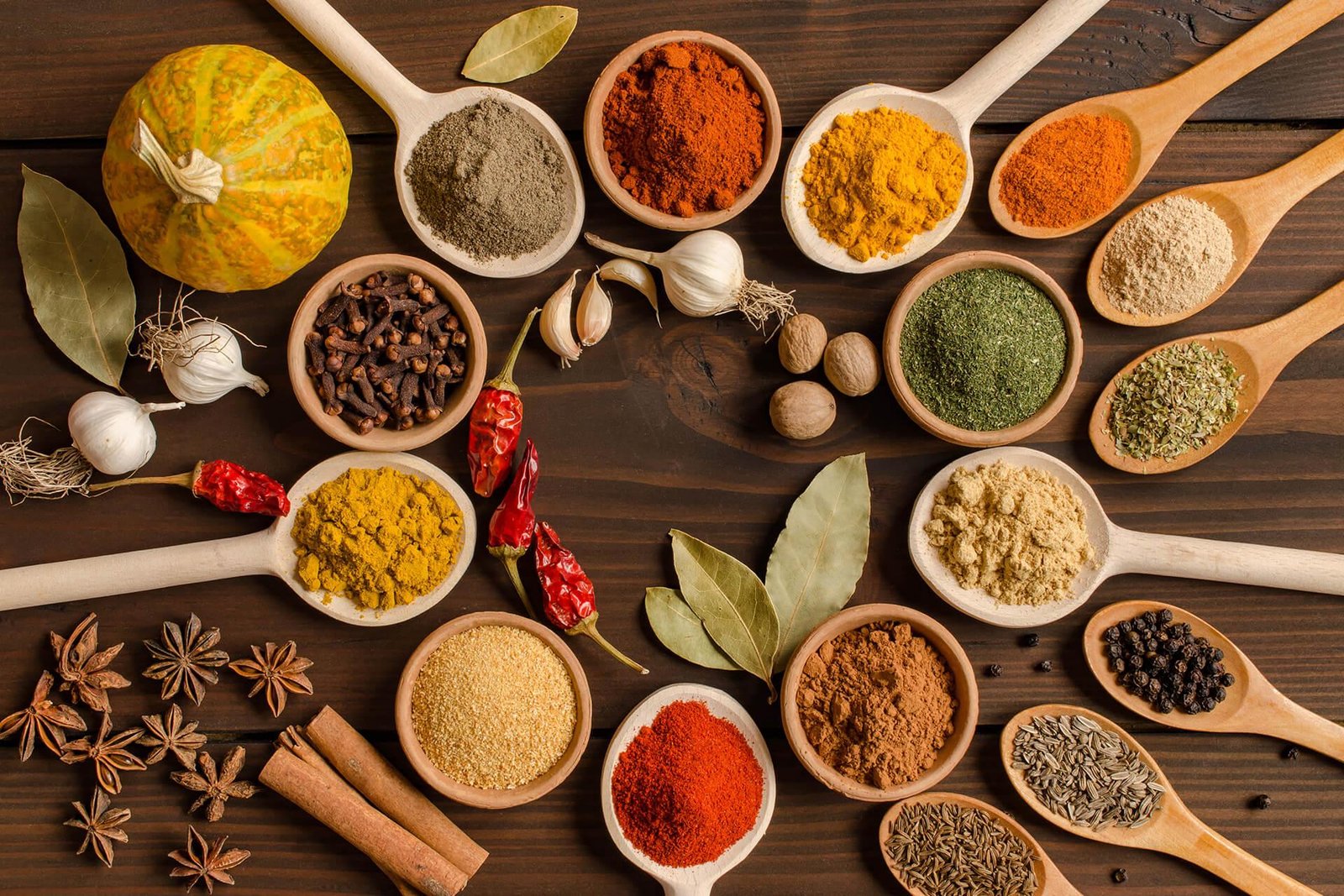
South Asian spices have become an essential part of the American culinary landscape, bringing bold flavors, vibrant colors, and rich aromas to kitchens across the country. From traditional Indian curries to Pakistani biryanis and Sri Lankan sambols, these spices tell a story of heritage, migration, and cultural exchange. In the United States, the demand for authentic South Asian spices continues to grow as more people explore global cuisines and experiment with new flavors at home.
The Rich Heritage of South Asian Spices
South Asia, including countries such as India, Pakistan, Bangladesh, Sri Lanka, and Nepal, has a long history of spice cultivation and trade. For centuries, spices from this region were highly prized commodities, shaping global trade routes and culinary traditions. Spices like turmeric, cumin, coriander, cardamom, and cloves are not just flavor enhancers—they are deeply rooted in cultural rituals, traditional medicine, and everyday cooking.
Each spice carries its own distinct flavor profile. Turmeric offers earthy warmth and a vibrant golden hue, cumin adds a smoky depth, coriander provides citrusy brightness, and cardamom delivers a sweet, floral aroma. When blended together, these spices create complex layers of taste that define South Asian cuisine.
Growing Popularity in the USA
In the United States, South Asian spices have moved beyond ethnic grocery stores and into mainstream supermarkets. As American consumers become more adventurous in their cooking, they are increasingly incorporating spices like garam masala, mustard seeds, fenugreek, and asafoetida into their recipes.
The rise of South Asian restaurants across major cities has also contributed to this trend. Popular dishes such as butter chicken, tikka masala, samosas, and biryani have introduced American diners to the rich flavor combinations that spices make possible. As a result, many people seek out authentic ingredients to recreate these dishes at home.
Additionally, the growth of the South Asian diaspora in the United States has played a significant role in maintaining and promoting traditional spice usage. Families pass down recipes through generations, ensuring that the knowledge and techniques associated with these spices remain alive and relevant.
Health Benefits and Wellness Trends
Another reason for the rising demand for South Asian spices in the USA is the growing interest in natural health remedies and wellness-focused diets. Many South Asian spices are known for their potential health benefits. Turmeric, for instance, contains curcumin, a compound widely studied for its anti-inflammatory and antioxidant properties. Ginger is often used to support digestion, while cumin and coriander are believed to aid metabolism and gut health.
As Americans increasingly embrace plant-based diets and holistic health practices, these spices have found a new audience. Golden milk lattes, turmeric supplements, and spiced herbal teas are now common in cafes and health stores across the country.
Availability and Accessibility
Today, sourcing authentic South Asian spices USA is easier than ever. Indian and South Asian grocery stores can be found in nearly every major metropolitan area, offering a wide range of whole and ground spices. Online retailers also provide convenient access to specialty blends and hard-to-find ingredients, making it possible for consumers in smaller towns to explore these flavors.
Quality is a key factor when purchasing spices. Freshness, proper storage, and authenticity significantly impact flavor. Whole spices, when toasted and ground at home, often provide a more robust taste compared to pre-ground varieties. As consumers become more educated about spice quality, many seek out brands that emphasize sustainable sourcing and traditional processing methods.
Culinary Versatility
One of the greatest strengths of South Asian spices is their versatility. While they are central to traditional dishes, they can also enhance a wide range of non-South Asian recipes. A pinch of garam masala can elevate roasted vegetables, cumin can add depth to chili or soups, and cardamom can transform baked goods with its unique aroma.
Fusion cuisine in the USA has embraced these spices wholeheartedly. Chefs experiment by incorporating South Asian flavors into tacos, burgers, pasta, and even cocktails. This creative blending of culinary traditions reflects America’s multicultural identity and openness to innovation.
Supporting Small Businesses and Communities
The South Asian spice market in the USA also supports many small businesses and family-owned enterprises. Local spice shops, specialty food brands, and importers contribute to the economy while preserving cultural heritage. By purchasing from these businesses, consumers not only gain access to authentic ingredients but also help sustain vibrant community networks.
Farmers and suppliers in South Asia benefit as well, especially when companies prioritize fair trade practices and ethical sourcing. This global connection underscores the continuing importance of spices in bridging cultures and economies.
Conclusion
South Asian spices in the USA represent more than just ingredients—they embody centuries of tradition, cultural exchange, and culinary artistry. As American consumers continue to explore diverse flavors and prioritize health-conscious cooking, the demand for authentic spices is likely to grow even further. Whether used in traditional family recipes or innovative fusion dishes, these spices bring warmth, complexity, and richness to the American table, connecting people through the universal language of food.
Categorias
- Lifestyle
- Motivation
- News & Trends
- AI
- Gadgets & Reviews
- Tech News
- Marketing
- Educação
- Health & Fitness
- Travel
- Food & Cooking
- Entertainment
- Home & Living
- Sports
- Art
- Causes
- Crafts
- Dance
- Drinks
- Film
- Fitness
- Food
- Jogos
- Gardening
- Health
- Início
- Literature
- Music
- Networking
- Outro
- Party
- Religion
- Shopping
- Sports
Leia Mais
Le casino en ligne est aujourd’hui l’une des plateformes de divertissement les plus prisées. Grâce au casino en ligne, les joueurs peuvent profiter de leurs jeux préférés directement depuis leur ordinateur, tablette ou smartphone, sans avoir besoin de se déplacer. Les avantages d’un casino en ligne Le principal atout d’un...

Discover complete details about Godrej Woods Thanisandra including brochure highlights, floor plans, amenities, location benefits, pros and cons, and FAQs in this fully SEO-optimized and human-written blog. Godrej Woods Thanisandra – Project Overview Godrej Woods Thanisandra is a premium residential development located in the fast-growing corridor of Thanisandra, North Bangalore....
Scent plays a powerful emotional role in how relaxation rituals are experienced. In Wholesale Bath and Body Products, fragrance is often the first sensory cue encountered, shaping expectations before the bath even begins. This immediate response can influence mood, perception, and willingness to slow down. Because scent is processed through emotional and memory-driven pathways, it has a...

The global legal marijuana market has grown due to increasing legalization, public awareness, and technological innovation. North America and Europe dominate, but Asia-Pacific and South America are emerging regions. Therapeutic applications, such as treatment for chronic pain, neurological conditions, and sleep disorders, are driving the market worldwide. South America offers a unique...

Industri game online terus berkembang pesat, dan para pemain selalu mencari platform terbaik untuk menikmati hiburan yang seru. Salah satu pilihan paling populer saat ini adalah iosbet slot. iosbet adalah platform yang menghadirkan permainan slot yang menarik dan pengalaman bermain yang lancar. Baik Anda pemain pemula maupun berpengalaman, iosbet slot menawarkan lingkungan permainan modern...