


Watch Repair Tips to Extend the Life of Your Timepiece
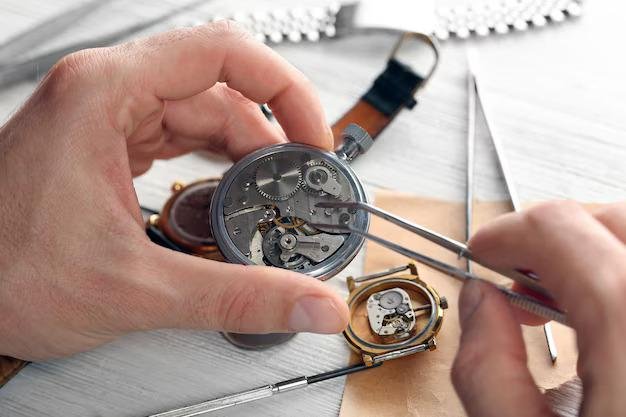
There’s something strange about a watch. It ticks. That’s all. And somehow it feels alive. Maybe that’s why Watch Repair isn’t just about fixing something broken. It’s about keeping that quiet rhythm going—the faint clicks softer than a heartbeat, the metal cool at first on your wrist and then weirdly warm after a few minutes. You don’t really think about it… until it stops.
So how do you make sure it doesn’t? Let’s talk about that. Not in a neat little checklist. Just the way it actually happens.
Start with the Obvious—But Don’t Ignore It
When was the last time you cleaned your watch? Not polished for shine. I mean, actually cleaned it. The tiny bits of dust around the crown. The faint smudge where your thumb rests. The bracelet that smells slightly like metal and skin at the end of a long day.
Dirt builds slowly. Moisture sneaks in. And before you know it, you’re searching for Watch Repair services because the crown feels stiff or the crystal looks foggy. A soft cloth. Mild soap. Lukewarm water if it’s water-resistant—check first. That’s it. Simple things prevent expensive problems. And honestly? That’s enough.
Water is Sneaky
You think your watch can handle it. It says “water resistant,” after all. But water resistance fades. Gaskets age. Seals dry out. You jump in a pool once, twice… Maybe shower with it on because you’re in a rush. Months later, there’s a tiny cloud under the crystal. Not dramatic. Just there.
That’s when watch repair becomes urgent instead of optional. If you really care about your timepiece, get its water resistance tested once a year. Especially if it’s something you wear daily. Especially if it’s valuable. Which brings me to something else.
Luxury Isn’t Just About Looks
If you own something from Rolex or Omega, you already know—it's not just telling time. It’s memory. Milestone. Maybe inheritance. And Luxury Watch Repair is different. Not because it’s fancy. But because tolerances are tighter. Movements are intricate. The kind of care you can’t fake.
I could list technical specs here, but that’s not really what matters, is it? What matters is this: don’t wait until something sounds wrong. A faint grinding when you wind it. A rotor that feels off-balance. A second hand that stutters. Get it serviced every 4–5 years. Yes, even if it’s “working fine.” Because damage doesn’t announce itself loudly. It whispers.
Automatic Watches Need Motion—And Stillness
Automatic watches are funny. They run because you move. Because you live. Inside, a small rotor swings with your wrist motion, winding the mainspring. You don’t see it working, but you can feel it sometimes—that subtle shift. It’s comforting, in a strange way. If you own one, Automatic Watch Repair usually becomes necessary for one reason: neglect. Not dramatic neglect. Just… normal life.
Leaving it unworn for months without winding. Storing it somewhere humid. Dropping it once and pretending it’s fine. Here’s the thing: Wind it occasionally if you’re not wearing it. Store it in a dry place. Avoid magnets—laptops, speakers, and phone cases with magnetic clasps. Magnetization can mess with accuracy more than people realize. And what if it starts running too fast or too slow? Don’t “wait and see.” That’s how small adjustments become full overhauls.
Service Before It Breaks
This part feels counterintuitive. Why repair something that isn’t broken? Because inside your watch, lubricants dry out over time. Oils thicken. Friction increases. Metal meets metal without the smooth glide it once had. You won’t hear it. You won’t see it.
But it’s happening. Routine watch repair services—the boring preventative kind—extend the life of your movement dramatically. Think of it like changing oil in a car. Skip it long enough and the engine pays the price. A full service every few years might feel unnecessary. Until it isn’t.
Be Careful with DIY Fixes
I get it. You watch a five-minute video, and suddenly battery replacement looks easy. Sometimes it is. Sometimes you scratch the case back. Or misalign the gasket. Or press the crystal unevenly.
And then you’re Googling "watch repair" at midnight. If it’s a basic quartz battery and you have the right tools, fine. But for anything mechanical—especially automatic or luxury—leave it to professionals. Proper tools matter. Dust-free environments matter. Tiny screws disappear forever. Trust me.
Temperature Matters More Than You Think
Extreme heat can dry lubricants faster. Extreme cold can slow movement temporarily. Leaving your watch on a car dashboard in summer? Not ideal.
Wearing it in a sauna? Also… not ideal. Metal expands. Contracts. It’s subtle, but repeated stress adds up. Just take it off. Two seconds. That’s it.
Pay Attention to Sound
This one’s odd, but stay with me. Hold your watch close to your ear in a quiet room. You can hear the faint tick. The rhythm. Steady.
If it changes—becomes irregular, louder, or scratchy—that's information. Do not panic. Just information. Watches speak in sound long before they fail visually. It’s strange how time feels slower when you listen to it move.
Storage Isn’t Just a Box
Throwing your Watch into a drawer with coins and keys? Please don’t. Scratches are cosmetic, sure. But impact can affect alignment. Store it in a soft pouch or dedicated case. Keep silica packs nearby if humidity is high where you live. Little details like that reduce the need for frequent watch repair services.
And if you rotate between watches, consider a winder for automatics—though it's not mandatory. Some people swear by them. Some don’t. I guess it depends on your routine.
Don’t Ignore Small Changes
A slightly loose bracelet. A crown that doesn’t screw down smoothly. A date window that shifts at noon instead of midnight. These aren’t dramatic failures. They’re early warnings.
Addressing them early often keeps Automatic Watch Repair or Luxury Watch Repair from becoming major, expensive interventions. And honestly, small fixes feel satisfying. Like tightening a loose screw on a chair before it collapses.
It’s Not Just a Device
I read once about someone who wore the same watch for forty years. Through jobs, losses, and birthdays. I wonder if it ever stopped—or if he just stopped noticing. Watches carry time, yes. But also stories. Maintaining them isn’t about obsession. It’s about respect. For the craft. For the memory attached to it. For the quiet presence on your wrist every day.
Regular cleaning. Periodic servicing. Professional watch repair when needed. Thoughtful storage. Paying attention. Not complicated. Just consistent. Because in the end—no, not “in the end.” That sounds too neat. Let’s just say this: Take care of it before it asks you to. Listen for the tick. And keep it moving.
الأقسام
- Lifestyle
- Motivation
- News & Trends
- AI
- Gadgets & Reviews
- Tech News
- Marketing
- التعليم
- Health & Fitness
- Travel
- Food & Cooking
- Entertainment
- Home & Living
- Sports
- Art
- Causes
- Crafts
- Dance
- Drinks
- Film
- Fitness
- Food
- الألعاب
- Gardening
- Health
- الرئيسية
- Literature
- Music
- Networking
- أخرى
- Party
- Religion
- Shopping
- Sports
إقرأ المزيد
Manglam Rajanigandha Borivali is a premium residential redevelopment project located in Borivali (West), Mumbai. This project is developed by Manglam Group under Manglam & Karnani Ventures LLP. The project introduces modern homes in an established Mumbai suburb. It focuses on improving lifestyle quality through redevelopment planning. The total investment for this project is ₹100...

Top Mall Foods for Diabetics to Control Blood Sugar Naturally Walking into a mall food court can feel tempting and stressful at the same time, especially if you are managing diabetes. The aroma of fried snacks, sugary desserts, cheesy meals, and chilled beverages can easily pull anyone toward unhealthy choices. For people with diabetes, this environment often feels like a sugar trap waiting to...

The NFT market has evolved from a speculative craze into a structured digital asset economy. In 2025, brands are no longer asking whether NFTs matter. They are asking how to position themselves in a space where community attention moves fast and loyalty is built through culture, not just clicks. This is where NFT Advertising becomes more than promotion. It becomes strategy. Global...

Shapiro Bathrooms: Change the Look of Your Space Design and quality are more important than ever when it comes to making a bathroom that is both useful and a place to relax. The bathroom is one of the most important rooms in a house. It can be a place to relax, a place to get ready for the day, or just a place to freshen up. Shapiro Bathrooms is a brand that always delivers when it comes to...

There is a good number of MBA aspirants in India who wish to study at the renowned Indian Institutes of Management. But rising fees have made that dream almost impossible for most. So, for the ones who really deserve it, choosing the best online scholarship exam for IIM students has become a vital move. These exams serve as a tool for rewarding financially supported talented students on the...
