

Comme des Garçons The Avant-Garde Fashion Revolution

Comme des Garçons, translating to "Like Boys" in French, is a pioneering fashion brand that has consistently challenged conventional norms and redefined the boundaries of style. Founded in 1969 by the visionary Japanese designer Rei Kawakubo, the brand has become synonymous with innovation, artistic expression, and a fearless approach to fashion design. Over the decades, Comme des Garçons has grown from a niche label into a global cultural phenomenon, influencing not only fashion but also art, music, and contemporary culture.
Origins and Philosophy
Rei Kawakubo launched Comme des Garçons in Tokyo with a vision that diverged sharply from traditional fashion. Unlike many designers focused on creating wearable, commercial clothing, Kawakubo emphasized conceptual design and experimentation. The brand’s name itself—“Like Boys”—reflects a desire to blur gender lines and reject the rigid binaries of fashion.
Kawakubo’s philosophy centers on deconstruction, asymmetry, and the use of unconventional materials. Her designs often feature raw edges, unexpected cuts, and layers that challenge the idea of perfect, polished garments. This approach was initially met with confusion and resistance, particularly in the West, where fashion was dominated by glamour and luxury. Yet, this very defiance became the cornerstone of Comme des Garçons’ identity.
The Breakthrough in Paris
The brand’s breakthrough came in 1981 when Kawakubo presented her first Paris collection. The show was stark, minimalist, and entirely unlike anything the fashion world had seen. Models wore all-black ensembles with draping and asymmetrical cuts that disrupted traditional silhouettes. The collection divided critics: some praised its originality and intellectual rigor, while others dismissed it as unattractive or even ugly.
However, this polarizing reaction only cemented Comme des Garçons’ role as a radical innovator. Over time, the brand cultivated a loyal following among avant-garde fashion enthusiasts, artists, and intellectuals. It became a symbol of rebellion against mainstream fashion’s commercialism and superficiality.
Design Aesthetics and Innovations
Comme des Garçons is renowned for its experimental aesthetics. Kawakubo frequently employs techniques such as layering multiple garments, playing with volume, and incorporating negative space into her designs. The brand embraces a monochromatic palette, particularly black, which Kawakubo describes as a color of depth and mystery.
One of the most notable aspects of Comme des Garçons’ design is its use of asymmetry and deconstruction. Traditional garment structures are often dismantled and reassembled in unexpected ways, producing pieces that look as if they are in a state of continual transformation. This approach has inspired countless designers and has become a hallmark of avant-garde fashion.
The brand’s runway shows are more than just presentations of clothing; they are immersive art performances. Models sometimes wear masks, face paint, or sculptural accessories, blurring the lines between fashion, theater, and visual art. These shows invite viewers to question the nature of beauty, identity, and the role of clothing in society.
Sub-Labels and Collaborations
Comme des Garçons is not a monolithic entity but a collection of sub-labels, each exploring different facets of Kawakubo’s vision. Some of the prominent sub-labels include:
- Comme des Garçons Homme – Focused on menswear, this line experiments with tailoring and casual wear, often incorporating the brand’s signature deconstructed elements.
- Comme des Garçons Play – Known for its playful and accessible designs, such as the iconic heart logo created by artist Filip Pagowski, Play offers a more casual and youthful aesthetic.
- Comme des Garçons Noir – Emphasizes the brand’s love of black with a sophisticated and refined touch.
- Comme des Garçons Shirt – Centers on reinventing classic shirting with avant-garde details.
The brand has also engaged in notable collaborations with other designers, brands, and artists. Collaborations with Nike, Supreme, and Converse have brought Comme des Garçons’ distinct aesthetic to streetwear and sneaker culture, expanding its reach beyond high fashion.
Cultural Impact
Comme des Garçons has transcended fashion to become a cultural icon. The brand’s influence is evident in art, music, and even philosophy. Kawakubo’s work has been exhibited in major museums worldwide, including the Metropolitan Museum of Art in New York and the Victoria and Albert Museum in London. These exhibitions highlight her role as an artist who uses fashion as a medium for cultural critique.
The brand’s impact on gender norms and identity is profound. By challenging traditional notions of masculinity and femininity, Comme des Garçons has contributed to broader conversations about gender fluidity and self-expression. Kawakubo’s designs encourage wearers to embrace ambiguity and complexity rather than conform to societal expectations.
Sustainability and Future Directions
In recent years, Comme des Garçons has also engaged with questions of sustainability and ethical fashion. While the brand’s avant-garde designs focus on artistic innovation, there is a growing awareness of environmental impact within the fashion industry. Comme des Garçons’ approach to timeless, conceptual pieces that defy trends aligns with the idea of slow fashion—promoting quality and longevity over disposable consumerism.
Looking ahead, Comme des Garçons Hoodie remains a beacon of creativity and risk-taking in the fashion world. Rei Kawakubo’s influence persists as new generations of designers draw inspiration from her groundbreaking work. The brand continues to evolve, balancing its avant-garde roots with contemporary cultural shifts.
Conclusion
Comme des Garçons stands as a testament to the power of fashion as an art form and a vehicle for social commentary. Rei Kawakubo’s fearless vision has reshaped how we understand clothing, beauty, and identity. From its rebellious beginnings to its status as a global fashion powerhouse, Comme des Garçons challenges us to rethink our assumptions and embrace the beauty of the unconventional. In a world often driven by trends and commercialism, this brand remains a symbol of originality, intellect, and artistic freedom.
Kategorien
- Lifestyle
- Motivation
- News & Trends
- AI
- Gadgets & Reviews
- Tech News
- Marketing
- Ausbildung
- Health & Fitness
- Travel
- Food & Cooking
- Entertainment
- Home & Living
- Sports
- Art
- Causes
- Crafts
- Dance
- Drinks
- Film
- Fitness
- Food
- Spiele
- Gardening
- Health
- Startseite
- Literature
- Music
- Networking
- Andere
- Party
- Religion
- Shopping
- Sports
Mehr lesen
By choosing a used transmission, drivers can prolong the life of their cars without going over their repair budget. A Used Transmission offers a sensible compromise between cost and performance as opposed to replacing the entire powertrain with pricey new parts. For everyday drivers or older cars where value and dependability are crucial, it is the perfect option. Before being...

Hair trends change every year, but one haircut continues to dominate men's style: the skin fades. This haircut is clean, modern, and works for almost every hair type. If you visit a barbershop in Burlington, you will notice that skin fades are one of the most requested services. At MR.JY Barbers, skin fades are one of the signature styles clients ask for. Whether someone wants a professional...

Nowhere is tech more present than in the sky full of digital storage. Picture keeping your images floating online rather than on a hard drive at home. Operations run smoother when files live far away from office walls. Physical machines once held everything - today, connections pull information from distant centers across the web. Security in cloud computing Here’s what really matters -...

Your Ultimate Guide to Easily Passing the AZ-120 A significant step is passing a test. It improves your quality of life. You land a new position. You make more money. You are really pleased with your job. However, you need to properly study AZ-120. Many people put a lot of effort into their studies. They read large volumes. They become really exhausted. That is not required of you. A better...

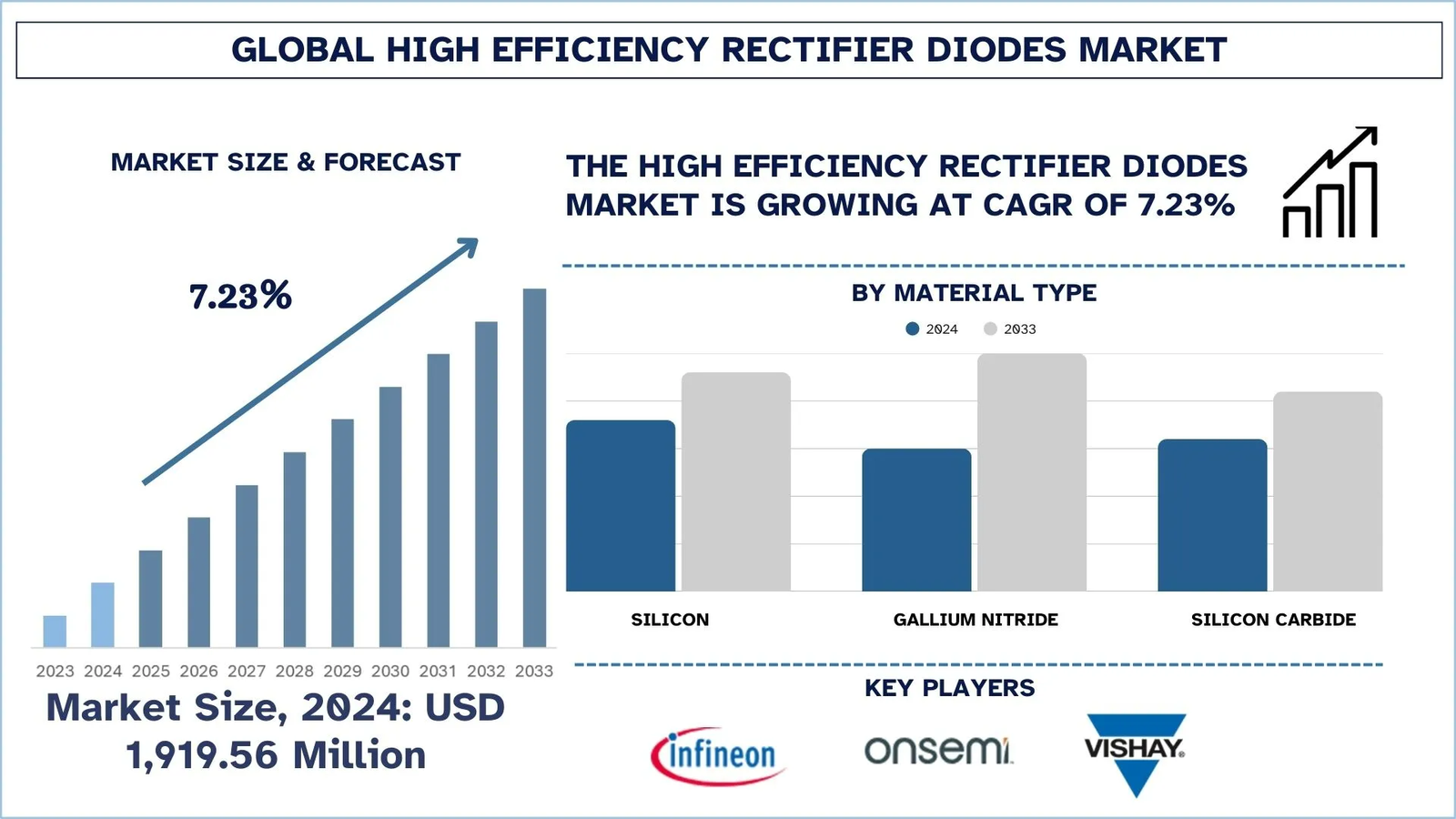
According to UnivDatos, the High-Efficiency Rectifier Diodes Market is projected to grow at approximately 7.23% over the forecast period (2025-2033F). The high-efficiency rectifier diode market is expanding as demand for energy-efficient power conversion in industrial applications is growing. The growing use of electric vehicles, renewable energy installations, and rapid chargers is further...