Many people exploring mindfulness and holistic wellness become curious about how to open your aura. In spiritual traditions, the aura is often described as the subtle energy field that surrounds the body. While scientific measurement of auras remains limited, practices that are said to “open” or balance your aura can genuinely support relaxation, emotional clarity, and self-awareness.
If your goal is to feel more centered, calm, and energetically balanced, the steps below provide a grounded and practical approach.
Understanding the Concept of the Aura
Before trying to open your aura, it helps to understand what the term usually means. In many wellness and yogic traditions, the aura refers to the energetic expression of your physical, mental, and emotional state. When people say an aura is “blocked” or “closed,” they often mean the person feels stressed, mentally foggy, emotionally heavy, or disconnected.
Opening your aura, therefore, is less about something mystical happening instantly and more about cultivating habits that promote clarity, relaxation, and emotional flow.
Step 1: Begin with Breath Awareness
Your breath is one of the fastest ways to influence your nervous system. Deep, slow breathing signals safety to the body and reduces stress hormones.
Simple practice:
-
Sit comfortably with your spine straight
-
Inhale slowly through your nose for 4 counts
-
Exhale gently through your mouth for 6 counts
-
Repeat for 5–10 minutes
Consistent breathwork helps quiet mental noise and creates the calm state often associated with an “open” aura.
Step 2: Practice Daily Meditation
Meditation trains your attention and helps release accumulated mental tension. Over time, it improves emotional regulation and self-awareness—two key factors people associate with energetic openness.
Start small. Even 5–10 minutes daily is effective.
Beginner method:
With regular practice, many people report feeling lighter, clearer, and more grounded.
Step 3: Move Your Body Regularly
Physical movement supports circulation, lymphatic flow, and mood regulation. Practices like yoga, stretching, or mindful walking can help release physical tension that often mirrors emotional stress.
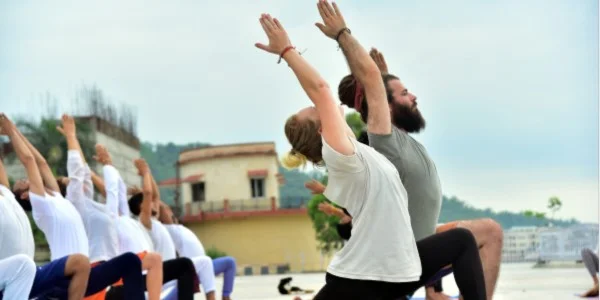
Gentle yoga is especially popular in aura-related wellness routines because it combines breath, movement, and awareness. However, any consistent movement you enjoy can be beneficial.
Step 4: Spend Time in Nature
Natural environments have measurable effects on stress reduction and mood improvement. Fresh air, greenery, sunlight, and open space help regulate the nervous system.
Try to:
-
Walk barefoot on grass or sand (if safe)
-
Sit quietly outdoors
-
Take slow nature walks without your phone
-
Watch the sunrise or sunset
Many people feel more refreshed and mentally clear after even short periods in nature.
Step 5: Clear Emotional Clutter
Your emotional state strongly influences how “heavy” or “light” you feel. Unprocessed stress, resentment, or constant overstimulation can create a sense of energetic congestion.
Helpful practices include:
-
Journaling your thoughts
-
Talking honestly with someone you trust
-
Practicing forgiveness (including self-forgiveness)
-
Limiting exposure to draining environments
Emotional clarity often leads to the sense of openness people associate with an expanded aura.
Step 6: Improve Your Daily Habits
Your body’s basic needs play a bigger role than many people expect. Poor sleep, dehydration, and highly processed diets can leave you feeling foggy and low-energy.
Focus on:
-
Quality sleep (7–9 hours)
-
Adequate hydration
-
Balanced, nourishing meals
-
Reduced overstimulation from screens
When your physiology is supported, your mental and emotional state usually improves as well.
Step 7: Practice Positive Mental Hygiene
Your thought patterns shape your internal experience. Constant negative self-talk can increase stress and tension in the body.
Try:
-
Gratitude journaling
-
Positive affirmations (used realistically)
-
Mindful awareness of negative thought loops
-
Consuming uplifting, not overwhelming, content
The goal is not forced positivity but greater awareness and emotional balance.
Common Mistakes to Avoid
When trying to open your aura, many people expect instant dramatic results. In reality, change is usually gradual.
Avoid:
-
Overdoing intense practices too quickly
-
Chasing mystical experiences
-
Ignoring basic physical health
-
Comparing your progress to others
Consistency and patience matter far more than intensity.
Signs You May Feel More Balanced
People who maintain these practices often report:
Whether you interpret this as an “open aura” or simply improved nervous system regulation, the benefits are real and valuable.
Final Thoughts
Learning how to open your aura is ultimately about supporting your mind-body system through consistent, healthy practices. Breathwork, meditation, movement, emotional clarity, and good daily habits work together to create the calm, clear state many traditions describe as energetic openness.