


CRM and ERP Solutions for Better Business Process Management
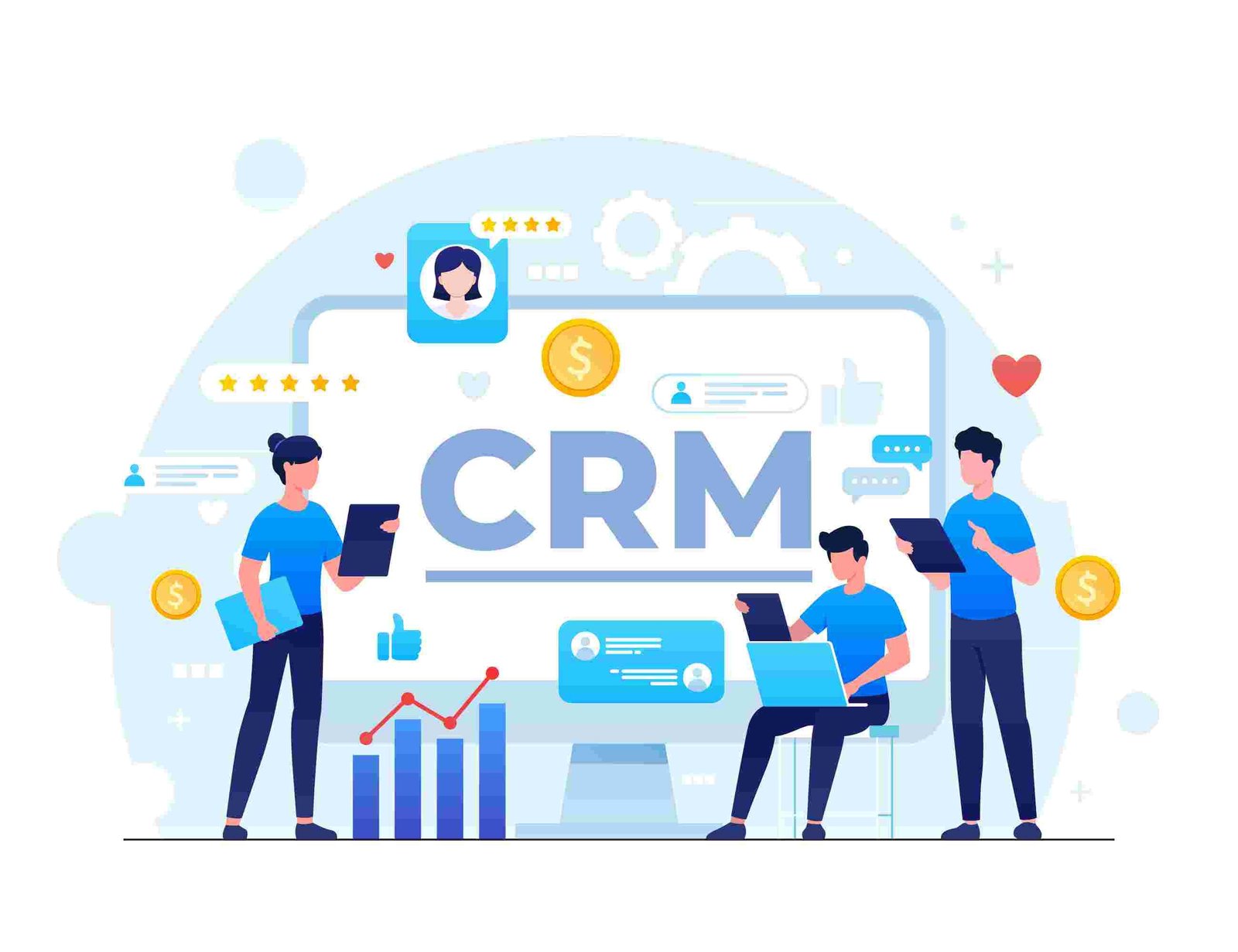
In today's fiercely competitive global marketplace, businesses of all sizes are under relentless pressure to streamline operations, eliminate inefficiencies, and deliver superior customer experiences. Two of the most powerful technological tools available to modern enterprises are Customer Relationship Management (CRM) and Enterprise Resource Planning (ERP) systems. When properly implemented and integrated, CRM and ERP solutions serve as the backbone of intelligent business operations, enabling companies to manage everything from customer interactions and sales pipelines to inventory, finance, procurement, and human resources — all within unified, data-driven platforms.
Understanding CRM and ERP: The Foundation of Modern Business
Before exploring how these systems transform organizations, it is essential to understand what each solution offers independently. A CRM system is designed to help businesses manage their relationships with current and potential customers. It centralizes customer data, tracks interactions across every touchpoint, automates marketing and sales workflows, and provides actionable insights that help teams close deals faster and retain clients longer.
An ERP system, on the other hand, manages the internal operations of a business. It integrates core processes such as accounting, supply chain management, manufacturing, human resources, and project management into a single unified platform. By breaking down the data silos that typically exist between departments, ERP systems provide a real-time, enterprise-wide view of business performance.
CRM and ERP solutions, while distinct in their primary functions, are most powerful when used together. Their integration creates a seamless flow of data between customer-facing teams and back-office operations, ensuring that every department works with consistent, up-to-date information. This unified approach eliminates duplication, reduces manual data entry errors, and accelerates decision-making at every level of the organization.
Enhancing Customer Relationships Through CRM
The customer is at the center of every thriving business, and a robust CRM system ensures that no customer interaction goes untracked or underserved. Modern CRM platforms such as Salesforce, HubSpot, Microsoft Dynamics 365, and Zoho CRM offer a comprehensive suite of tools that allow businesses to monitor the entire customer lifecycle — from the first marketing touchpoint all the way through post-sale support and renewal.
Sales teams benefit enormously from CRM capabilities. Automated lead scoring prioritizes the most promising opportunities, pipeline management tools keep deals moving forward, and AI-driven forecasting gives managers the data they need to set realistic targets and allocate resources wisely. Meanwhile, marketing teams can segment audiences with precision, personalize campaigns at scale, and measure the return on investment of every initiative.
Customer service departments also gain significant advantages. CRM systems provide support agents with a complete history of every customer interaction, enabling them to resolve issues quickly and empathetically. Automated ticketing systems, knowledge bases, and chatbot integrations further reduce response times and improve satisfaction scores. The cumulative effect is a customer experience that feels personalized, responsive, and trustworthy — qualities that drive loyalty and long-term revenue.
Optimizing Internal Operations with ERP
While CRM manages the external face of the business, ERP systems optimize what happens behind the scenes. For manufacturing companies, ERP solutions streamline production planning, ensure raw materials are available when needed, and track finished goods through the supply chain. For service businesses, ERP platforms manage project budgets, resource allocation, and billing cycles with precision.
Financial management is one of the strongest suits of any ERP system. Automated accounts payable and receivable processes, real-time financial reporting, multi-currency support, and compliance tools ensure that the finance department operates with accuracy and agility. CFOs and controllers gain instant access to dashboards that reflect the true financial health of the organization, enabling proactive rather than reactive financial management.
Human resources modules within ERP platforms handle everything from recruitment and onboarding to payroll, benefits administration, and performance management. By consolidating HR functions within the broader ERP ecosystem, businesses can connect workforce data with financial planning, ensuring that headcount decisions are always made with a clear understanding of their budget impact.
The Strategic Value of CRM and ERP Integration
The true strategic power of CRM and ERP solutions is unlocked when they are integrated into a single, cohesive technology ecosystem. Consider a scenario where a sales representative closes a large deal in the CRM system. With integration in place, that order is instantly reflected in the ERP system, triggering inventory checks, production schedules, delivery timelines, and invoicing — all without any manual intervention. The result is faster fulfillment, fewer errors, and a dramatically improved customer experience.
Integrated CRM and ERP solutions also enable superior business intelligence. When customer data and operational data are brought together, executives gain insights that neither system could provide alone. For example, businesses can identify which customer segments are most profitable after factoring in actual cost-to-serve data from the ERP. They can also detect patterns in customer churn and correlate them with supply chain disruptions or service delivery failures — insights that drive meaningful operational improvements.
Choosing the Right CRM and ERP Solutions for Your Business
Selecting the right technology stack is a critical decision that will shape business operations for years to come. The market offers a wide range of options, from industry-specific solutions tailored to niches like healthcare, construction, or retail, to flexible platforms that can be customized to meet virtually any business requirement.
Cloud-based CRM and ERP solutions have become the preferred choice for most modern businesses. They offer lower upfront costs compared to on-premise deployments, faster implementation timelines, automatic updates, and the ability to scale up or down as business needs change. Additionally, cloud solutions provide remote accessibility, which has become essential in an era of distributed workforces and global operations.
Key considerations when evaluating platforms include ease of integration with existing systems, the depth of reporting and analytics capabilities, mobile accessibility, vendor support quality, and total cost of ownership. It is also important to assess the cultural readiness of the organization for change, as even the best technology will fail to deliver results if employees do not adopt it enthusiastically.
Implementation Best Practices
A successful CRM or ERP implementation requires much more than selecting the right software. It demands careful planning, strong executive sponsorship, comprehensive user training, and a phased rollout strategy that minimizes disruption to daily operations. Organizations that invest in change management programs and dedicated implementation support consistently achieve faster adoption rates and higher returns on their technology investment.
Data migration is another critical consideration. Moving historical data from legacy systems into a new CRM or ERP platform requires rigorous cleansing, mapping, and validation to ensure data integrity. Poor data quality at the outset will undermine trust in the new system and impede adoption.
Post-implementation, ongoing optimization is essential. Regular system audits, user feedback sessions, and performance reviews help organizations continuously refine their processes and extract maximum value from their technology investments. Businesses that treat CRM and ERP solutions as evolving strategic assets — rather than static software purchases — consistently outperform those that do not.
Conclusion
In an era defined by digital transformation, data-driven decision-making, and ever-rising customer expectations, the importance of CRM and ERP solutions cannot be overstated. These platforms are no longer optional luxuries reserved for large enterprises — they are essential tools for any business that aspires to grow sustainably, serve customers exceptionally, and operate with operational excellence. By embracing modern CRM and ERP solutions and committing to their thoughtful implementation and ongoing optimization, businesses position themselves not merely to survive but to thrive in the dynamic marketplace of the future.
Catégories
- Lifestyle
- Motivation
- News & Trends
- AI
- Gadgets & Reviews
- Tech News
- Marketing
- Éducation
- Health & Fitness
- Travel
- Food & Cooking
- Entertainment
- Home & Living
- Sports
- Art
- Causes
- Crafts
- Dance
- Drinks
- Film
- Fitness
- Food
- Jeux
- Gardening
- Health
- Domicile
- Literature
- Music
- Networking
- Autre
- Party
- Religion
- Shopping
- Sports
Lire la suite
Students planning to study MBBS Abroad often want to know about accommodation before choosing a university. A comfortable and safe hostel is essential for international students who will live away from home for several years. The Ivanovo state medical academy hostel provides a supportive living environment designed to meet the needs of students studying MBBS in Russia. In this blog, we...

Sanju Samson is the talk of the town right now because of his cool head and big hits. Many cricket fans are watching how he leads his team with so much grace on the field. He plays with a lot of heart and always puts his team first in every game. This season, he showed everyone that being a leader is about more than just scoring runs quickly. Experts are now saying he is one of the best players...

Most people blame the furnace when the house feels off. Too cold, uneven heat, system keeps turning on and off… yeah, the furnace gets all the blame. But a lot of the time, the real problem is sitting right there on the wall. The thermostat. It’s small. Easy to ignore. But when it starts acting up, everything else follows. In fact, a big chunk of calls related to heating repair...

The Indian Premier League has once again become one of the biggest attractions for cricket fans around the world. Every match delivers excitement through aggressive batting, strategic bowling, and thrilling finishes that keep supporters engaged throughout the tournament. As teams continue fighting for important points, fans are constantly searching for quick and reliable cricket updates....

In today’s competitive freelancing world, staying updated with new job opportunities and client messages is crucial for success. A small delay in responding can mean losing a valuable project to someone faster. This is where the FreelancerAlert Chrome Extension becomes an essential tool for freelancers looking to stay ahead and maximize their chances of winning projects. The...