


HPV in Women: Causes, Risks & Vaccination
The Human papillomavirus (HPV) is one of the most common viral infections affecting women worldwide. Understanding how HPV is transmitted and the associated risk factors, as well as the vaccinations, can help women take proactive measures towards maintaining their reproductive health.
Advancements in women's health in Hyderabad have significantly improved the level of awareness regarding screening and prevention of infections such as HPV. In addition, access to highly qualified specialists and advanced diagnostic testing equipment has helped in the earlier identification of HPV cases than ever before. When looking for reliable guidance, many women often search for a “gyn dr near me” to consult a qualified professional who can provide screening, counselling, and vaccination advice. Seeking timely guidance and advice on HPV testing will help reduce the risk of developing long-term complications from HPV.
Understanding HPV
Human Papillomavirus (HPV) is primarily transmitted through intimate, skin-to-skin contact; most commonly during sexual activity. There are over 100 types of HPV, with approximately 14 of these types classified as "high-risk".
Several factors that can increase the likelihood of HPV infection are:
-
Being sexually active at a young age
-
Multiple sexual partners
-
Having a weakened immune system
-
Smoking, which can weaken the body's immune response
Health Risks Associated with HPV
Although many HPV infections do not cause symptoms, certain strains of the virus can cause long-term health complications. The most serious health concern due to the presence of high-risk types of HPV is the development of cervical cancer. Infected women may develop abnormal cervical cells from persistent infection with high-risk strains of HPV; if left untreated, these abnormal cells may eventually progress to cancer.
Additional health complications associated with HPV include:
-
Genital warts, caused by low-risk strains of HPV
-
Abnormal Pap smear results
-
Changes in the cervical cells (pre-cancerous lesions)
-
Rarely, cancers of the throat, vagina, or vulva
Routine screening of the cervix with Pap smears and HPV tests will allow for the early detection of any changes in the cervical cells. Early diagnosis of any abnormal cells will allow health care professionals to treat those abnormalities and reduce the risk of developing further complications from HPV infection.
Importance of HPV Vaccines
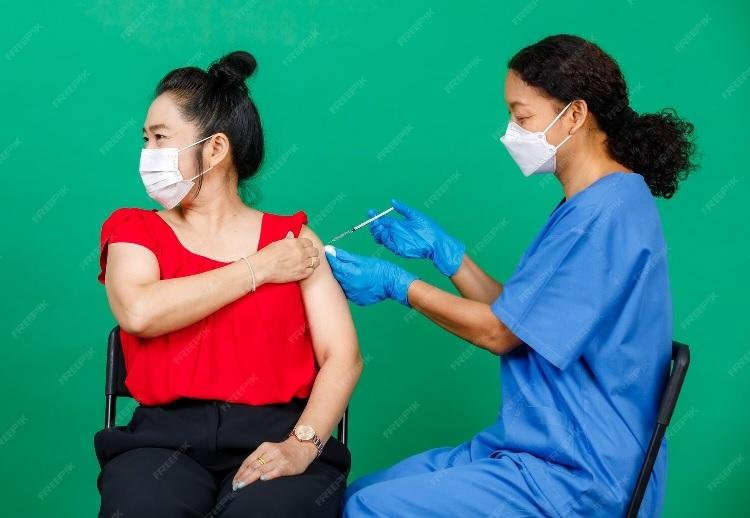
The HPV vaccine is an effective preventative against HPV-related diseases. This vaccine provides protection from many high-risk types of HPV that are responsible for most cases of cervical cancer, as well as those that cause genital warts.
HPV vaccines are typically administered in two or three doses, depending on age and the medical guidelines. Routine cervical cancer screenings should continue to be a necessary part of women’s regular healthcare because they only partially protect against all types of HPV.
When to Visit a Specialist?
Searching for a “gyn dr near me” can help you find a qualified doctor if you experience any of these symptoms:
-
Abnormal vaginal bleeding
-
Unusual vaginal discharge
-
Persistent pelvic pain
-
Genital warts or other growths
-
Abnormal results from a Pap smear test
Regular checkups are also recommended for women who wish to discuss HPV vaccination, cervical screening schedules, or overall reproductive health. Early medical advice ensures that potential concerns are identified and managed promptly.
The Cloudnine Advantage
Cloudnine provides comprehensive women’s health care with a special emphasis on prevention, early detection, and individualised treatment. In cases of HPV infection, cervical scans, and vaccination advice, the hospital provides state-of-the-art facilities for diagnosis along with the expertise of qualified professionals. With the latest screening technology and qualified gynaecologists, Cloudnine ensures proper diagnosis and individualised treatment plans.
If you live in or around Hyderabad, a consultation with the best gynecologist in Nallagandla at Cloudnine can help ensure effective communication and supportive care to make women feel well-informed and confident during their pregnancy journey.
Conclusion
HPV is a common infection, but with proper awareness, screening, and vaccination, its risks can be significantly reduced. Knowing about the causes and risks helps women make the right decision about their health. Regular screening and consulting a specialist are very important. With the availability of high-class facilities and experts, trusted facilities such as Cloudnine provide the required support to women for maintaining their reproductive health.
Categorias
- Lifestyle
- Motivation
- News & Trends
- AI
- Gadgets & Reviews
- Tech News
- Marketing
- Educação
- Health & Fitness
- Travel
- Food & Cooking
- Entertainment
- Home & Living
- Sports
- Art
- Causes
- Crafts
- Dance
- Drinks
- Film
- Fitness
- Food
- Jogos
- Gardening
- Health
- Início
- Literature
- Music
- Networking
- Outro
- Party
- Religion
- Shopping
- Sports
Leia mais
La pulizia laser ruggine rappresenta una tecnologia all’avanguardia per rimuovere ossidazioni e residui metallici senza danneggiare le superfici. MopaLaser offre soluzioni professionali che garantiscono precisione, velocità e sicurezza in ogni intervento. Grazie all’innovativa tecnologia laser, è possibile trattare diverse superfici con risultati eccellenti, riducendo...

Buying your first home? Congrats… also, sorry. It’s confusing as hell. There’s paperwork, rules, and terms you’ve never heard of. And honestly, it can feel like the world is against you. But here’s the thing, first time home buyer programs in Colorado has can actually help. They’re designed to make the process easier, not perfect, but easier. Grants,...

Optifuel In einer Zeit, in der die Kraftstoffpreise weiterhin schwanken und Autofahrer mehr Effizienz von ihren Fahrzeugen erwarten, ist die Suche nach einer zuverlässigen und unkomplizierten Lösung zur Leistungsoptimierung immer wichtiger geworden. Viele Autobesitzer wünschen sich eine bessere Kraftstoffeffizienz und ein ruhigeres Fahrverhalten, ohne dabei in teure Upgrades...

Going to the Taj Mahal is like opening a box full of old love stories and beauty. Emperor Shah Jahan built it for his wife Mumtaz Mahal. It sits in Agra, showing forever love in India's past places. If you love culture or fancy trips, this guide shows the best ways to see it. Find roads that mix old stories with comfy fun straight from Delhi. Taj Mahal Tours from Delhi are a great start for...

We’ve all been there — that heavy, uncomfortable feeling in your stomach after a meal, tight clothes suddenly feeling tighter, or constant gas that just won’t settle. Bloating and gas might seem like small issues, but when they happen often, they can be frustrating and even embarrassing. For many people, these symptoms become a regular part of life. But the truth is, they...
