


How Can Coordinated Risk Assessments Reduce Chemical Hazards?

In many workplaces, chemicals are part of daily operations. Laboratories, manufacturing plants, cleaning services, and construction sites all rely on chemical substances for production or maintenance tasks. While these materials serve important purposes, they can also pose serious risks when not handled properly.
Professionals responsible for workplace safety often develop the skills to evaluate these risks through structured training programs such as a Safety Inspector Course. These programs teach how to identify chemical hazards, conduct systematic risk assessments, and implement preventive controls that protect workers and the surrounding environment.
This article explores how coordinated risk assessments help reduce chemical hazards, why teamwork is essential during hazard evaluation, and how structured safety practices can significantly improve workplace protection.
Understanding Chemical Hazards in the Workplace
Chemical hazards arise when substances used in workplaces can cause harm to workers, equipment, or the environment. These hazards may result from improper storage, accidental spills, or exposure to toxic fumes.
Understanding the nature of these hazards is the first step toward effective prevention.
1.1 What Makes Chemicals Hazardous
Chemicals become hazardous when they have properties that can cause harm through contact, inhalation, or ingestion.
Some substances are corrosive and can damage skin or materials. Others may release toxic vapors that affect respiratory systems.
Recognizing these properties allows safety professionals to design effective control measures.
1.2 Industries Where Chemical Risks Are Common
Chemical hazards appear in many industries where substances are produced, transported, or used regularly.
Examples include:
-
Manufacturing facilities using industrial solvents
-
Laboratories handling reactive compounds
-
Cleaning services using strong disinfectants
-
Agricultural operations applying pesticides
Each environment requires careful safety management.
What Is a Coordinated Risk Assessment?
A coordinated risk assessment is a structured evaluation process in which different teams work together to identify, analyze, and control hazards.
Rather than relying on a single individual, this process combines expertise from supervisors, technicians, and safety professionals.
2.1 Why Team-Based Assessments Are Effective
Chemical hazards can involve complex reactions, storage conditions, and exposure pathways.
When multiple professionals contribute to the assessment process, different perspectives help reveal hazards that might otherwise be overlooked.
Collaboration improves the accuracy of hazard identification.
2.2 The Role of Communication During Assessments
Effective communication ensures that all relevant information is shared during the risk evaluation process.
Maintenance staff may understand equipment risks, while laboratory technicians may recognize chemical reactivity concerns.
Sharing this knowledge creates a more complete risk assessment.
Identifying Chemical Hazards Through Structured Evaluations
Before hazards can be controlled, they must be identified. Coordinated assessments help organizations examine workplace conditions systematically.
This approach reduces the likelihood of hidden chemical risks.
3.1 Examining Chemical Storage Areas
Improper storage is a common cause of chemical accidents. Safety teams inspect storage areas to ensure that incompatible substances are not kept together.
They also review ventilation conditions and labeling practices.
Proper storage prevents dangerous reactions.
3.2 Reviewing Work Processes
Chemical hazards often emerge during daily work activities.
During risk assessments, teams analyze how chemicals are handled during tasks such as mixing, transferring, or disposing of substances.
This process reveals exposure points that require control measures.
Evaluating Worker Exposure Risks
Understanding how workers interact with chemicals is essential for preventing harmful exposure.
Risk assessments examine both routine tasks and unusual situations where exposure may occur.
4.1 Identifying Exposure Pathways
Workers may encounter chemicals through several pathways.
Common exposure routes include:
-
Inhalation of vapors or dust
-
Direct skin contact with liquids
-
Accidental ingestion due to poor hygiene practices
-
Eye exposure from splashes
Recognizing these pathways helps safety teams design protective strategies.
4.2 Assessing Duration and Frequency of Exposure
Risk assessments also evaluate how often workers interact with chemicals and how long exposure may last.
Frequent or prolonged exposure increases the likelihood of health problems.
Monitoring these patterns helps determine appropriate safety controls.
Implementing Control Measures for Chemical Safety
After hazards have been identified and evaluated, organizations must implement practical controls to reduce risk.
Coordinated risk assessments help determine which control strategies will be most effective.
5.1 Engineering Controls
Engineering controls involve physical modifications to workplaces that reduce chemical exposure.
Examples include ventilation systems, sealed chemical containers, and automated handling equipment.
These controls help minimize worker contact with hazardous substances.
5.2 Administrative Safety Procedures
Administrative measures guide workers on how to handle chemicals safely.
These procedures may include clear labeling systems, storage guidelines, and safe disposal methods.
Proper procedures support consistent safety practices.
The Importance of Personal Protective Equipment
Even when engineering and administrative controls are in place, workers may still require protective equipment when handling chemicals.
Personal protective equipment provides an additional layer of defense.
6.1 Selecting the Right Protective Equipment
Different chemicals require different types of protection.
Workers may need gloves, goggles, respirators, or protective clothing depending on the substances involved.
Choosing appropriate equipment ensures effective protection.
6.2 Training Workers to Use PPE Correctly
Protective equipment is only effective when used properly.
Safety teams must train workers on how to wear, maintain, and replace protective gear.
Consistent training prevents misuse.
Monitoring and Reviewing Chemical Safety Practices
Risk assessments should not occur only once. Chemical hazards can change as workplaces evolve, new substances are introduced, or processes are modified.
Regular monitoring ensures that safety systems remain effective.
7.1 Conducting Follow-Up Inspections
Safety teams conduct follow-up inspections to verify that control measures remain in place and are functioning correctly.
These inspections also help identify new hazards that may appear over time.
Continuous evaluation supports long term safety.
7.2 Updating Risk Assessment Records
Accurate documentation helps organizations track chemical hazards and control strategies.
Updated records ensure that workers have access to current safety information.
Documentation also helps guide future safety improvements.
Building a Culture of Chemical Safety
Coordinated risk assessments are most effective when supported by a strong workplace safety culture.
When employees actively participate in safety practices, chemical hazards are identified and addressed more quickly.
8.1 Encouraging Worker Participation
Workers who interact with chemicals daily often notice potential hazards early.
Encouraging them to report concerns and suggest improvements helps strengthen safety systems.
Open communication supports hazard prevention.
8.2 Promoting Continuous Learning
Chemical safety knowledge evolves as new substances and technologies emerge.
Organizations that encourage continuous learning help employees stay informed about best practices and safety innovations.
Education plays a key role in sustaining workplace safety.
Professional Training for Chemical Hazard Management
Managing chemical risks requires specialized knowledge. Safety professionals must understand hazard identification, exposure control methods, and regulatory standards.
Structured education programs help develop these skills.
9.1 Learning Risk Assessment Techniques
Professional training programs teach safety practitioners how to conduct detailed hazard assessments and analyze chemical risks.
Participants learn how to evaluate exposure pathways, implement controls, and maintain safety documentation.
These skills are essential for managing complex workplaces.
9.2 Choosing the Right Safety Training Path
Students exploring careers in occupational safety often review several training programs to build foundational knowledge. During this research process, many learners compare program content, instructor experience, and practical training elements such as those discussed when evaluating safety officer course duration and fees before selecting a suitable educational pathway.
Understanding these learning options helps future safety professionals prepare for real workplace responsibilities.
Frequently Asked Questions
10.1 What is a chemical risk assessment?
A chemical risk assessment is a structured process used to identify chemical hazards, evaluate exposure risks, and implement control measures to protect workers.
10.2 Why are coordinated risk assessments important?
Coordinated assessments involve multiple professionals, which helps identify hazards more accurately and create more effective safety strategies.
10.3 How often should chemical risk assessments be conducted?
Assessments should be reviewed regularly and whenever new chemicals or processes are introduced into the workplace.
10.4 What are common chemical exposure routes?
Workers may be exposed through inhalation, skin contact, ingestion, or eye contact with hazardous substances.
10.5 Can training help reduce chemical hazards?
Yes. Training helps safety professionals understand hazard identification, risk evaluation, and effective control strategies.
Conclusion
Chemical hazards are present in many industries, and managing these risks requires careful planning and cooperation between multiple workplace teams. Coordinated risk assessments help organizations identify hazards, evaluate exposure risks, and implement effective control measures.
Through structured inspections, clear communication, and continuous monitoring, workplaces can significantly reduce chemical hazards and protect employees from harm.
When supported by professional training and a strong safety culture, coordinated risk assessments become a powerful tool for maintaining safe and responsible working environments.
Categories
- Lifestyle
- Motivation
- News & Trends
- AI
- Gadgets & Reviews
- Tech News
- Marketing
- Education
- Health & Fitness
- Travel
- Food & Cooking
- Entertainment
- Home & Living
- Sports
- Art
- Causes
- Crafts
- Dance
- Drinks
- Film
- Fitness
- Food
- Games
- Gardening
- Health
- Home
- Literature
- Music
- Networking
- Other
- Party
- Religion
- Shopping
- Sports
Read More
Set against the stunning backdrop of the Western Cape Winelands, Pearl Valley Golf is a world-class destination known for its immaculate fairways and championship-level design. Created by legendary golfer Jack Nicklaus, the course offers a challenging yet enjoyable experience for players of all skill levels. Pearl Valley Golf features pristine greens, scenic mountain views, and top-tier...

In today’s fast-paced world, mental health challenges are becoming more common, and people are actively searching for accessible solutions. This is where ai for mental health is making a powerful impact. Artificial intelligence is transforming how individuals approach emotional well-being by offering immediate, affordable, and private support. Unlike traditional therapy, which may require...

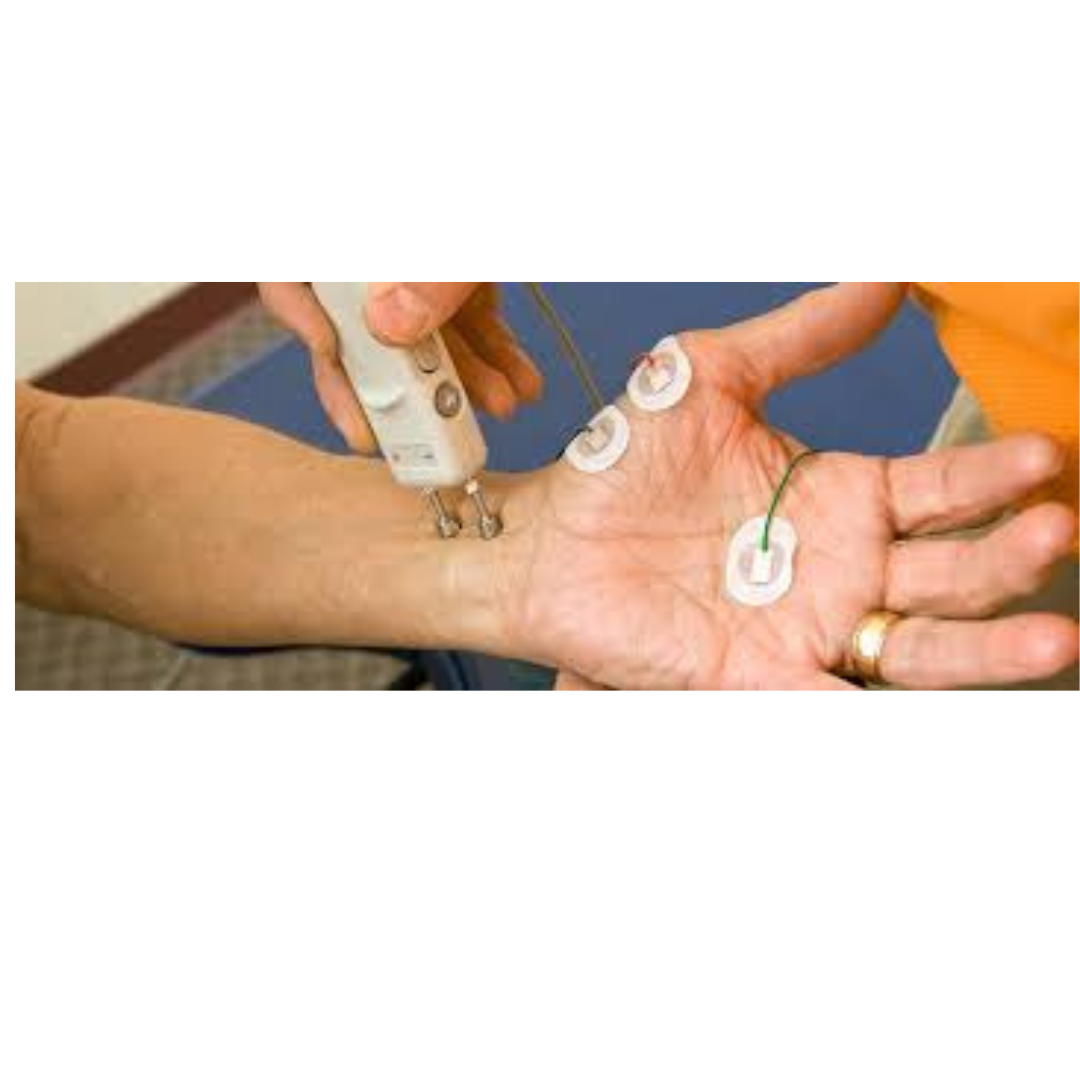
When you experience unusual sensations like tingling, numbness, or unexplained weakness in your limbs, your doctor may recommend a NCV Nerve Test. This specialized diagnostic test helps determine the health and functionality of your nerves, ensuring early detection of any nerve-related conditions. If you’re looking for a trusted diagnostic facility to book your ncv nerve test in...
Warum Fahrzeuge plötzlich liegen bleiben Fahrzeuge können jederzeit ausfallen und oft ohne Vorwarnung. Ein platter Reifen eine leere Batterie oder Motorprobleme können Ihre Fahrt sofort stoppen. Einige Probleme treten auf stark befahrenen Straßen auf andere weit entfernt von Hilfe. Diese Situationen verursachen Stress und Unsicherheit. Ein Pannendienst bietet schnelle...

According to UnivDatos, the India Short-Haul Aircraft Market is expected to reach a market size of USD 200 million by 2024, with a CAGR of 18.45% from 2025 to 2033. Sustained domestic passenger growth, government-led regional connectivity, and the addition of new routes are some of the key drivers supporting the market rise. Airbus: ...
