


Explore Antique, Victorian, and Art Deco Engagement Rings for Brides
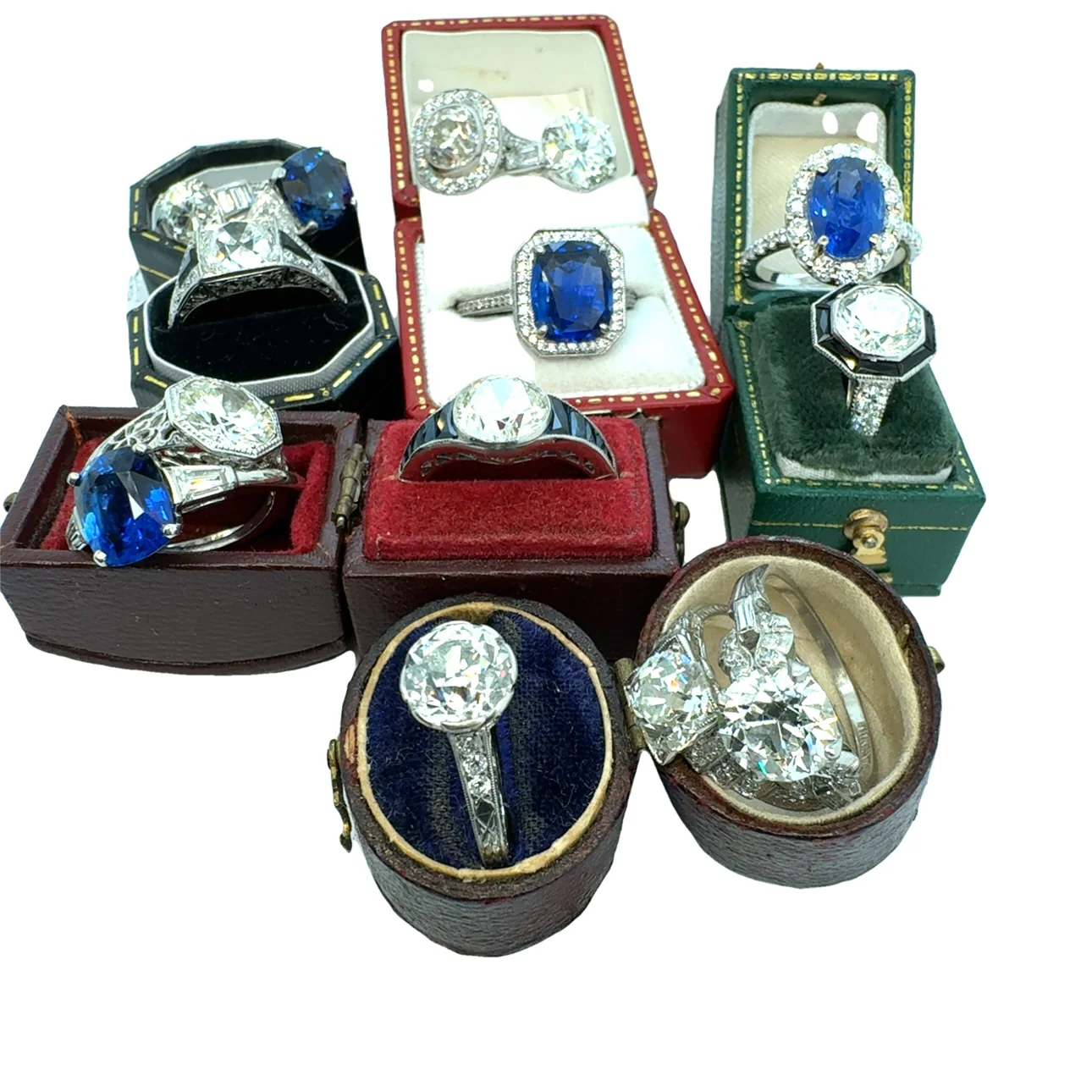
Antique engagement rings continue to captivate brides who appreciate timeless beauty, history, and exceptional craftsmanship. While modern engagement rings often follow contemporary trends, antique and vintage styles offer something more meaningful—designs that reflect different eras of jewelry artistry. From the romantic charm of Victorian pieces to the geometric elegance of Art Deco designs, these historic rings represent some of the most admired engagement ring styles in the world. Brides who explore antique, Victorian, and Art Deco engagement rings often discover unique pieces that combine heritage, artistry, and individuality in a way modern jewelry rarely achieves.
The Timeless Appeal of Antique Engagement Rings
Antique engagement rings are generally defined as rings that are around 100 years old or inspired by designs from historic periods. What makes these rings special is the craftsmanship and individuality found in their details. Unlike many modern rings produced using automated manufacturing processes, antique rings were often handcrafted by skilled jewelers who spent hours shaping, engraving, and finishing each piece.
These rings frequently feature hand-cut diamonds, intricate metalwork, and delicate decorative elements such as filigree and milgrain. Each detail reflects the design preferences and techniques of the time when the ring was created. As a result, antique engagement rings tend to feel more personal and distinctive than many modern designs.
Another important reason many brides choose antique rings is sustainability. By selecting an antique or estate ring, buyers are giving new life to existing jewelry rather than contributing to new mining and production. This combination of history, craftsmanship, and sustainability makes antique rings a meaningful choice for modern couples.
Victorian Engagement Rings and Their Romantic Charm
Victorian engagement rings come from the Victorian era, which lasted from 1837 to 1901 during the reign of Queen Victoria. Jewelry from this period is known for its romantic symbolism and decorative beauty. Many rings from this era feature nature-inspired motifs such as flowers, leaves, hearts, and bows.
Victorian rings were commonly crafted in yellow gold, although some later pieces included platinum or silver elements. Diamonds were used frequently, but other gemstones like sapphires, rubies, and emeralds were also popular. These colorful gemstones added personality and meaning to engagement rings during the period.
One of the most recognizable features of Victorian jewelry is the attention to symbolic design. Rings were often created to represent love, devotion, or eternity through intricate patterns and decorative motifs. This romantic aesthetic continues to appeal to brides who prefer jewelry with emotional depth and historical significance.
Victorian engagement rings also tend to have softer silhouettes compared to later design periods. Their flowing shapes and ornate details create a warm and elegant appearance that feels timeless and feminine.
Edwardian Influence Between Victorian and Art Deco Styles
Although the focus is often placed on Victorian and Art Deco jewelry, the Edwardian era played an important role in shaping engagement ring design. The Edwardian period, which lasted from 1901 to around 1915, introduced platinum as a preferred metal in fine jewelry. Platinum allowed jewelers to create extremely delicate settings while maintaining strength and durability.
Edwardian engagement rings often feature lace-like filigree patterns, milgrain edges, and airy designs that appear almost weightless. Diamonds were the primary gemstone used during this period, and the settings were designed to maximize their brilliance.
Many antique rings available today show the transition between Victorian romanticism and the bold geometry that would later define Art Deco design. These rings highlight the evolution of engagement ring styles across different eras.
Art Deco Engagement Rings and Their Bold Elegance
Art Deco engagement rings became popular during the 1920s and 1930s. This design movement reflected the excitement of the modern age, including advancements in architecture, technology, and fashion. Jewelry designers embraced geometric patterns, symmetry, and strong visual contrast.
Art Deco rings often feature distinctive shapes such as emerald-cut, baguette, and step-cut diamonds arranged in symmetrical patterns. Platinum and white gold were commonly used metals because they enhanced the crisp lines and reflective surfaces associated with the style.
Unlike the soft curves of Victorian jewelry, Art Deco engagement rings emphasize clean structure and balanced design. Their bold appearance makes them particularly appealing to brides who want vintage jewelry with a dramatic yet sophisticated aesthetic.
Another hallmark of Art Deco rings is the use of accent gemstones. Black onyx, sapphires, and other colored stones were often combined with diamonds to create striking contrasts. These design choices gave Art Deco rings a distinctive identity that remains popular today.
Why Brides Love Antique and Vintage Engagement Rings
Many modern brides are drawn to antique and vintage engagement rings for several reasons beyond their visual appeal. One of the most significant advantages is uniqueness. Because these rings were created decades ago, it is extremely unlikely that two pieces will be exactly the same.
Another reason antique rings are so desirable is their craftsmanship. Jewelry from earlier eras often displays hand-finished details that are rarely seen in contemporary mass-produced rings. The artistry involved in creating filigree patterns, engraving designs, and setting diamonds reflects a level of dedication that collectors and brides deeply appreciate.
Historical value is also an important factor. Wearing an antique ring can feel like carrying a small piece of history. Each ring has a story that connects different generations and eras, making it far more meaningful than a newly manufactured piece of jewelry.
Choosing the Right Vintage Engagement Ring Style
When selecting a vintage engagement ring, it helps to consider both personal style and lifestyle. Victorian rings are ideal for brides who appreciate romantic, ornate jewelry with symbolic meaning. Art Deco rings are better suited for those who prefer bold, structured designs with geometric beauty.
It is also important to consider diamond shape and setting style. Antique rings may feature old European cut or old mine cut diamonds, which have a softer sparkle compared to modern brilliant cuts. Some brides prefer this subtle glow because it gives the ring an unmistakably vintage character.
Comfort and durability should also be considered. Since antique rings are older pieces, it is wise to have them inspected by a professional jeweler to ensure the setting is secure and suitable for everyday wear.
The Enduring Beauty of Historic Engagement Rings
Antique, Victorian, and Art Deco engagement rings continue to inspire brides around the world because they represent more than just jewelry. They reflect artistry, history, and the evolving story of design across generations. Each era contributed unique styles that remain relevant and admired even today.
For couples who value individuality and timeless elegance, exploring these historic engagement ring styles can lead to the discovery of truly extraordinary pieces. Whether chosen for their romantic symbolism, architectural beauty, or handcrafted detail, these rings offer a meaningful alternative to modern designs.
Choosing a vintage ring allows a bride to wear something that has already stood the test of time—an heirloom that can continue its journey for generations to come.
Categories
- Lifestyle
- Motivation
- News & Trends
- AI
- Gadgets & Reviews
- Tech News
- Marketing
- Education
- Health & Fitness
- Travel
- Food & Cooking
- Entertainment
- Home & Living
- Sports
- Art
- Causes
- Crafts
- Dance
- Drinks
- Film
- Fitness
- Food
- Games
- Gardening
- Health
- Home
- Literature
- Music
- Networking
- Other
- Party
- Religion
- Shopping
- Sports
Read More
Running a business today means juggling teams, processes, customer needs & data all at once. Salesforce is a powerful tool to manage these, but running it efficiently can be challenging. Without proper expertise, small mistakes can multiply into hours of lost time & unnecessary costs. A Salesforce Managed Service Provider helps businesses manage their CRM system efficiently, reducing...

L’évolution rapide de la technologie numérique a profondément transformé l’industrie des jeux d’argent en ligne. Les joueurs recherchent désormais des solutions plus rapides, plus sécurisées et plus flexibles pour gérer leurs transactions. Dans ce contexte, le usdt casino s’impose progressivement comme une...

A laser cleaner machine is transforming the way industries handle surface cleaning, rust removal, paint stripping, and preparation tasks. Traditional cleaning methods often involve chemicals, abrasives, or extensive manual labor. In contrast, laser cleaning technology offers a highly precise, efficient, and modern solution that delivers superior results while maintaining the integrity of...

Email plays an important role in everyday life—whether it’s for work, staying connected with family, or managing online accounts. When your email is powered by Bigpond, any disruption can feel frustrating. As one of Australia’s largest and most established internet service providers, Bigpond supports millions of users nationwide and has a long-standing reputation for...

University admission processes have undergone major changes during the last few years. Many institutions now provide online application portals, digital document submission, and computer-based entrance exams. The system improves accessibility for users yet demands that students maintain their organizational skills. Students searching for higher education opportunities start their journey by...