


Solving High-Speed Spindle Failure with 70 Series Bearings

In the world of precision machining, CNC routing, and high-speed grinding, the spindle is the heart of the operation. As a bearing industry expert, I’ve walked through countless shop floors where the same "mystery" persists: a spindle that was rebuilt six months ago is already showing signs of thermal runaway, excessive vibration, or "chatter" on the finished workpiece.
The problem usually isn't the motor or the operator. It’s a fundamental misunderstanding of the 70 angular contact ball bearing—a component designed for extreme precision that is frequently misapplied or poorly maintained. When you are operating at speeds where a few microns of deviation result in a scrapped part, the standard deep-groove bearing won't cut it. You need the specific geometry of the 70 series to survive the combined radial and axial forces of modern manufacturing.
The Problem: The "Combined Load" Trap
Most mechanical failures in high-speed spindles occur because the bearing cannot resolve the "resultant force" of the cutting tool.
-
Axial Displacement: During heavy milling, the tool pushes back against the shaft. If the bearing isn't designed with a specific contact angle, the balls "climb" the raceway wall, leading to immediate pitting.
-
Thermal Seizure: High RPMs generate centrifugal forces that push the lubricant out of the contact zone. In a standard bearing, this creates a localized "dry spot" that leads to catastrophic heat.
-
Resonance and Chatter: Without the correct preload, the shaft "bounces" within the bearing clearance, leaving microscopic ridges on your workpiece.
Engineering Precision: The Role of the 70 Angular Contact Ball Bearing
The 70 angular contact ball bearing is part of the ISO 10 dimension series, characterized by a light cross-section. This "thin-walled" design is a deliberate engineering choice: it allows for a larger shaft diameter within a smaller housing, providing the stiffness required for high-speed rotation without adding excessive mass.
1. The Contact Angle Advantage
In a 70 angular contact ball bearing, the raceways are displaced relative to each other. For the 70 series, the most common contact angles are:
-
C (15°): Optimized for ultra-high speeds and lower heat generation.
-
AC (25°): A balanced choice for combined loads.
-
B (40°): Designed for heavy axial thrust but lower top speeds.
Choosing the wrong angle for your specific RPM range is a leading cause of premature spindle failure.
2. High-Precision Tolerance Classes
The 70 series is almost exclusively manufactured to high-precision standards (P4, P2, or ABEC 7/9). This ensures that the "bore" and "outside diameter" variations are kept within 2–3 microns. This level of precision is the only way to ensure that four bearings in a "quadset" arrangement share the load equally.
3. Advanced Cage Materials
Unlike standard bearings that use stamped steel cages, a high-performance 70 angular contact ball bearing often utilizes a phenolic resin or PEEK (Polyetheretherketone) cage. These materials are lightweight and porous, meaning they actually "hold" a small amount of oil, providing a safety net during high-speed startup before the grease has fully redistributed.
Troubleshooting: Why Is Your 70 Series Failing Prematurely?
If you’ve recently upgraded to 70 angular contact ball bearing units but are still seeing issues, the problem likely lies in the mounting arrangement or the preload.
The Orientation Error
Because these bearings only take axial loads in one direction, they must be mounted in pairs.
-
Back-to-Back (DB): This is the gold standard for spindles. It provides a wide "effective bearing spread," making the shaft highly resistant to bending (tilting moments).
-
Tandem (DT): Used when you have a massive axial load in one direction and need two bearings to share the burden.
The Preload Pitfall
"Preload" is the permanent axial load applied to the bearing during installation to remove all internal play.
-
Excessive Preload: Causes the bearing to run hot immediately. If your spindle temperature exceeds 60°C (140°F) at the housing, your preload is likely too high.
-
Insufficient Preload: Causes "ball skidding." At high speeds, if the balls aren't firmly pressed into the raceway, they will slide rather than roll, creating "smearing" damage that destroys the bearing in hours.
Strategic Selection: 70 Series vs. 72 Series
| Feature | 70 Series (Angular Contact) | 72 Series (Angular Contact) |
| Cross-Section | Light/Thin | Medium/Thick |
| Max RPM | Superior (Higher) | Moderate |
| Load Capacity | Moderate | Superior (Higher) |
| Best Application | CNC Spindles, Turbines | Pumps, Transmissions |
Conclusion
The 70 angular contact ball bearing is a precision instrument, not a commodity. When your application demands high rotational accuracy and the ability to handle thrust without vibrating, the 70 series is the undisputed industry standard. However, the hardware is only half the battle. Successful operation requires a deep understanding of contact angles, mounting arrangements, and precision preload settings.
Κατηγορίες
- Lifestyle
- Motivation
- News & Trends
- AI
- Gadgets & Reviews
- Tech News
- Marketing
- Εκπαίδευση
- Health & Fitness
- Travel
- Food & Cooking
- Entertainment
- Home & Living
- Sports
- Art
- Causes
- Crafts
- Dance
- Drinks
- Film
- Fitness
- Food
- Παιχνίδια
- Gardening
- Health
- Κεντρική Σελίδα
- Literature
- Music
- Networking
- άλλο
- Party
- Religion
- Shopping
- Sports
Διαβάζω περισσότερα
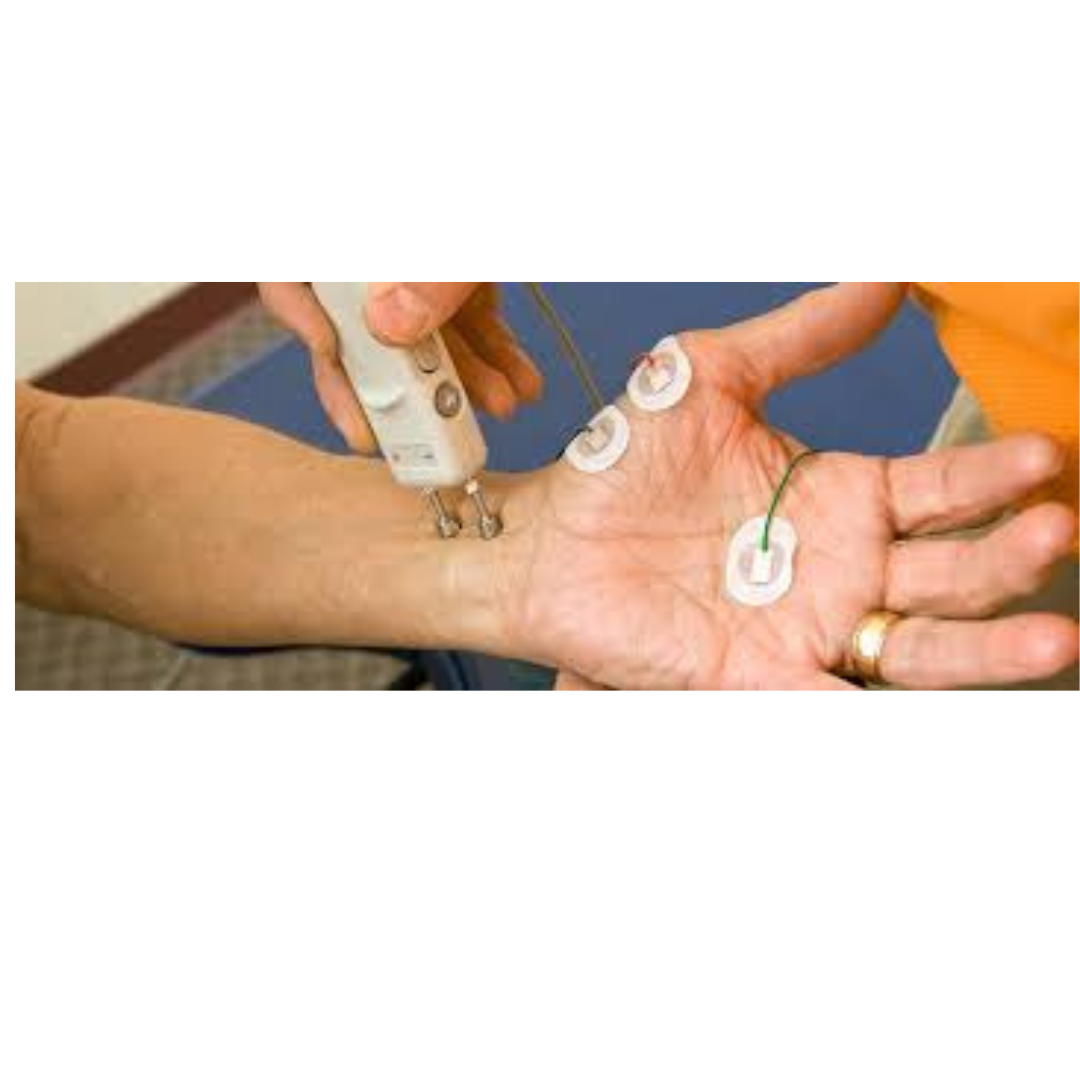
When you experience unusual sensations like tingling, numbness, or unexplained weakness in your limbs, your doctor may recommend a NCV Nerve Test. This specialized diagnostic test helps determine the health and functionality of your nerves, ensuring early detection of any nerve-related conditions. If you’re looking for a trusted diagnostic facility to book your ncv nerve test in...
Sivasagar is a popular destination in Assam for both tourists and business travelers. The city is known for its historical landmarks, temples, and cultural heritage. Because of this, many visitors come here for sightseeing as well as business purposes. Finding the right accommodation is important, and many travelers prefer staying at a business hotel in Sivasagar that offers comfort and...

Le casino en ligne est aujourd’hui l’une des plateformes de divertissement les plus prisées. Grâce au casino en ligne, les joueurs peuvent profiter de leurs jeux préférés directement depuis leur ordinateur, tablette ou smartphone, sans avoir besoin de se déplacer. Les avantages d’un casino en ligne Le principal atout d’un...
Easy Guide to Creating Your Lotus999 Cricket ID The digital world has transformed the way cricket fans interact with the sport. Instead of only watching matches on television, fans now explore online platforms where they can stay updated with cricket news, statistics, and interactive features. To access many of these services, users often need a dedicated account known as an online cricket...

Is Alkaline Water Really Good for Your Health? In recent years, alkaline water has gained a lot of attention in the health and wellness world. Many people believe it can improve digestion, increase energy, and even prevent certain health problems. But is alkaline water truly better than regular drinking water, or is it simply another health trend? Let’s understand what alkaline water is,...
