


How Social Media Is Affecting Teen Mental Health - And What We Can Do About It
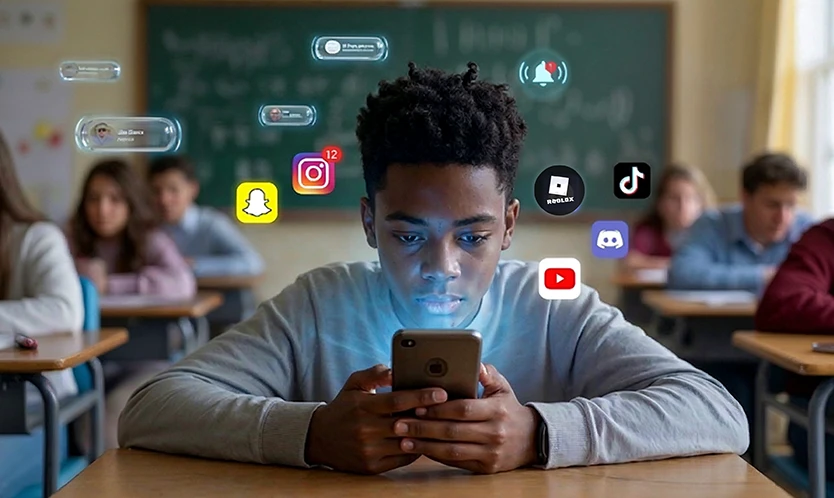
Most teenagers today wake up and check their phones before they even get out of bed. They scroll through photos, read comments, watch short videos, and compare their lives to what they see on their screens. For many of them, this is just a normal part of the day. But what does all of this digital noise actually do to how they feel about themselves?
The conversation around social media and teen mental health is growing louder - and for good reason. Studies have shown that the more time young people spend on social platforms, the more likely they are to feel anxious, lonely, or not good enough. That doesn't mean social media is entirely bad. But it does mean we need to talk about it honestly.
The Pressure to Look Perfect
One of the biggest problems with social media is that it shows a highlight reel, not real life. Teenagers see filtered photos, carefully edited videos, and posts that only show the best moments. Over time, this creates an unrealistic picture of what life, friendships, and even bodies are supposed to look like.
When a young person constantly compares themselves to these images, it chips away at their confidence. They start to wonder why their life doesn't look that way. Why don't they have that many followers? Why don't they look like that? These thoughts, repeated every single day, can lead to low self-esteem and even depression.
Cyberbullying Is Real and It Hurts
Unlike bullying that happens at school, online bullying doesn't stop when you go home. It follows young people everywhere - into their bedrooms, onto their phones, even in the middle of the night. A cruel comment, a mocking post, or being left out of a group chat can feel just as painful as anything said face to face.
This is a serious youth mental health concern that parents, teachers, and community members need to take seriously. Many teenagers don't speak up about being bullied online because they feel embarrassed or afraid that their phone will be taken away. Creating open, judgment-free conversations at home can make a big difference.
The Sleep Problem Nobody Talks About Enough
Late-night scrolling is quietly damaging the health of millions of teenagers. When young people stay on their phones past midnight, they are not just losing sleep - they are also exposing their brains to content that keeps them emotionally stimulated. Poor sleep leads to poor focus, irritability, and over time, can make anxiety and depression worse.
This is not about blaming teenagers. It's about understanding how these platforms are designed to keep people hooked. The algorithms reward engagement, which means the content that gets the most reaction - whether positive or negative - gets pushed to the top.
It's Not All Bad
It would be unfair to say social media is only harmful. For many young people, it is a lifeline. It connects them with others who share their interests, helps them find communities where they feel accepted, and gives them a platform to express themselves when they feel unheard in real life.
At Voices Under One Sun, we believe in the power of expression. When young people use digital spaces to share their stories, their art, and their emotions, something meaningful happens. They feel seen. They realize they are not alone. That sense of connection is genuinely good for youth mental health.
What Can Actually Help?
The goal isn't to eliminate social media from teenagers' lives. That's not realistic, and it doesn't address the real issue. Instead, here are some approaches that can genuinely make a difference:
-
Have honest conversations. Ask teenagers what they see online, how it makes them feel, and what worries them. Listen without judgment before offering solutions.
-
Set gentle boundaries together. Rather than imposing strict screen time rules, involve teenagers in creating limits that feel fair. This builds trust and teaches self-regulation.
-
Encourage offline outlets. Creative expression - whether through writing, art, music, or movement - gives young people a healthy way to process their emotions. Communities like Voices Under One Sun offer exactly this kind of space.
-
Model healthy habits. Adults who are constantly on their phones send a quiet message that this behavior is normal. Small changes in adult habits can influence how teenagers see their own relationship with screens.
-
Take warning signs seriously. Withdrawal from friends and family, changes in eating or sleeping, a drop in grades, or expressing hopelessness are all signs that a young person may be struggling. These should never be dismissed as typical teenage behavior.
A Note to Teenagers Reading This
If you have ever felt worse about yourself after spending time online, you are not weak and you are not alone. Those feelings are valid. The platforms you use are built to trigger emotional reactions - that is not a reflection of who you are.
Your story matters. Your voice matters. And there are people and communities out there who want to hear it, including right here at Voices Under One Sun.
The link between social media and teen mental health is complicated, but one thing is clear - young people deserve support, not silence. Let's keep talking about it.
Categories
- Lifestyle
- Motivation
- News & Trends
- AI
- Gadgets & Reviews
- Tech News
- Marketing
- Education
- Health & Fitness
- Travel
- Food & Cooking
- Entertainment
- Home & Living
- Sports
- Art
- Causes
- Crafts
- Dance
- Drinks
- Film
- Fitness
- Food
- Games
- Gardening
- Health
- Home
- Literature
- Music
- Networking
- Other
- Party
- Religion
- Shopping
- Sports
Read More
Ensure Smooth and Reliable Dryer Operation A tumble dryer plays a crucial role in modern households by making laundry fast and convenient. When performance declines or faults appear, it becomes essential to choose a dependable Samsung Tumble Dryer Service. Timely servicing not only restores efficiency but also prevents further damage, ensuring your appliance continues to operate smoothly for...

Your Ultimate Guide to Easily Passing the C_ARCON_2508 A significant step is passing a test. It improves your quality of life. You land a new position. You make more money. You are really pleased with your job. However, you need to properly study C_ARCON_2508. Many people put a lot of effort into their studies. They read large volumes. They become really exhausted. That is not required of you....

Mental health plays a big role in your daily life. It affects how you think, feel, and act. When your mental health is strong, you can handle stress, build good relationships, and make better decisions. But when your mental health suffers, even simple tasks can feel hard. That is why you should start mental health treatment today. Taking action now can help you create a better and...

Introduzione al mercato delle scommesse online in ItaliaI migliori siti scommesse online con licenza in Italia rappresentano un settore regolamentato e in siti scommesse continua crescita. I bookmaker offrono accesso a eventi sportivi nazionali e internazionali con quote aggiornate. Le piattaforme moderne garantiscono sicurezza, velocità e compatibilità mobile, offrendo...

Pumpkin Seeds for Diabetes: Health Benefits and How They Help Manage Blood Sugar Pumpkins are often admired for their bright orange color and versatility in cooking. From soups to parathas, pumpkin is used in many dishes. But while the flesh gets most of the attention, the seeds are equally valuable. These small, flat seeds are packed with nutrients that support overall health and may...