


How Recovery Milestones and Pain Reduction Are Supported in Acupuncture for Accident Recovery

Recovery from an accident is rarely a linear journey. Whether the injury stems from a motor vehicle collision, a workplace incident, or a fall, the path toward restored function involves navigating a series of milestones that mark genuine physiological progress. These milestones, from regaining basic range of motion to returning to work and resuming recreational activities, represent measurable benchmarks that define successful rehabilitation. Yet conventional recovery protocols frequently stall at predictable points, leaving patients trapped in frustrating plateaus where pain persists despite weeks or months of treatment. This is precisely where acupuncture for accident recovery and rehabilitation support has demonstrated remarkable ability to break through healing plateaus, accelerate milestone achievement, and provide sustained pain reduction that empowers patients to reclaim their lives with confidence and functional independence.
The challenge of accident recovery lies in its complexity. Unlike surgical recovery, which follows relatively predictable healing timelines, accident injuries typically involve multiple tissues, multiple body regions, and multiple physiological systems simultaneously. A single rear-end collision can damage cervical ligaments, strain thoracic muscles, compress lumbar discs, irritate peripheral nerves, and traumatize the central nervous system all at once. Effective recovery requires an approach capable of addressing this multidimensional injury landscape, and acupuncture's ability to simultaneously influence pain perception, tissue healing, inflammation, and nervous system regulation makes it uniquely suited to this challenge.
Defining Recovery Milestones After Accidental Injury
Understanding recovery milestones provides both patients and practitioners with a framework for measuring progress and adjusting treatment strategies. While individual timelines vary based on injury severity, patient age, pre-existing conditions, and treatment compliance, research in rehabilitation medicine has identified consistent milestone categories that apply across most accident recovery scenarios.
The first milestone involves pain stabilization, the point at which acute pain transitions from unpredictable and overwhelming to manageable and predictable. This typically occurs within the first two to four weeks following injury and represents a critical psychological turning point for patients. Research published in the Journal of Pain Research found that patients who achieve pain stabilization within the first three weeks demonstrate significantly better long-term outcomes compared to those whose pain remains erratic beyond this window.
The second milestone encompasses restoration of basic functional capacity, including activities of daily living such as dressing, bathing, driving, and performing household tasks. For many accident survivors, the inability to perform these fundamental activities creates profound feelings of helplessness and dependency that compound the psychological burden of injury.
Subsequent milestones include return to work capacity, restoration of exercise and recreational ability, and ultimately the achievement of maximum medical improvement, the point at which further significant recovery is not anticipated. Acupuncture for accident recovery has demonstrated the ability to accelerate progress through each of these milestones in ways that complement and enhance conventional rehabilitation approaches.
The Science of Pain Reduction Through Acupuncture
Pain following accidental injury involves multiple overlapping mechanisms that require equally multifaceted treatment approaches. Nociceptive pain arises from actual tissue damage as injured muscles, ligaments, and joints send danger signals through peripheral nerves to the spinal cord and brain. Inflammatory pain develops as the immune system's repair response generates chemical mediators that sensitize nerve endings. Neuropathic pain emerges when nerves themselves sustain damage or become compressed by swollen tissues. Central sensitization occurs when the spinal cord and brain amplify pain signals, causing even normal stimuli to be perceived as painful.
Acupuncture for accident recovery addresses each of these pain mechanisms through distinct physiological pathways. A landmark study published in Nature Neuroscience by researchers at the University of Rochester identified that acupuncture needle insertion triggers the local release of adenosine, a naturally occurring molecule with potent anti-nociceptive properties. Adenosine concentrations at needle sites increased 24-fold during acupuncture treatment, producing pain relief that persisted well beyond the treatment session.
At the spinal cord level, acupuncture activates inhibitory interneurons through what neuroscientists call the gate control mechanism. These interneurons effectively close the neural gates through which pain signals travel from the periphery to the brain. Research published in Brain Research confirmed that electroacupuncture stimulation produces measurable increases in spinal cord enkephalin concentrations, providing segmental pain relief specifically targeted to the body regions served by the stimulated spinal segments.
Supraspinally, acupuncture modulates pain processing in the brain itself. Functional neuroimaging studies have demonstrated that acupuncture reduces activity in the anterior cingulate cortex and insula, brain regions responsible for the emotional suffering component of pain, while simultaneously activating the periaqueductal gray and nucleus raphe magnus, structures that constitute the brain's endogenous pain suppression system.
At Swissacu Acupuncture Specialists in Redmond, WA, practitioners leverage this multilevel pain modulation by selecting point combinations that simultaneously address peripheral, spinal, and central pain processing, creating comprehensive pain relief that single-mechanism treatments cannot achieve.
Accelerating the Inflammation-to-Repair Transition
The inflammatory response following accidental injury serves an essential biological purpose. Inflammatory mediators attract immune cells to damaged tissues, remove cellular debris, and initiate the repair cascade. However, when inflammation persists beyond its useful duration, it becomes a barrier to recovery rather than a facilitator. Chronic inflammation damages healthy tissue, maintains pain signaling, and prevents the transition from the inflammatory phase to the proliferative phase of healing.
Acupuncture for accident recovery has been shown to regulate inflammatory processes with remarkable precision. Research published in Molecular Neurobiology demonstrated that acupuncture modulates the expression of pro-inflammatory cytokines including tumor necrosis factor-alpha, interleukin-1 beta, and interleukin-6, reducing their concentrations when elevated while preserving normal immune function. This immunomodulatory effect accelerates the transition from destructive inflammation to constructive tissue repair.
A 2019 study in Evidence-Based Complementary and Alternative Medicine examined acupuncture's effects on soft tissue healing biomarkers in injury patients and found that treatment groups showed significantly higher concentrations of transforming growth factor-beta and vascular endothelial growth factor, both essential mediators of tissue repair and angiogenesis. These findings suggest that acupuncture does not merely suppress inflammation but actively promotes the biological processes necessary for structural healing.
This acceleration of the inflammation-to-repair transition directly impacts milestone achievement. Patients whose tissues progress efficiently through healing phases regain range of motion faster, experience pain reduction sooner, and achieve functional capacity milestones ahead of patients whose inflammatory responses remain dysregulated.
Breaking Through Recovery Plateaus
Perhaps the most frustrating aspect of accident recovery is the plateau phenomenon, periods during which measurable progress stalls despite continued treatment. Recovery plateaus typically occur at predictable points corresponding to transitions between healing phases. The transition from acute to subacute recovery, occurring roughly four to eight weeks post-injury, frequently produces a plateau as the body shifts from emergency repair to tissue remodeling. A second common plateau occurs around the three-to-six-month mark as the remodeling phase reaches its limits and residual dysfunction becomes entrenched.
Acupuncture for accident recovery demonstrates particular value during these plateau periods. When conventional treatments such as physical therapy and chiropractic care reach diminishing returns, acupuncture provides novel neurological and circulatory stimulation that can restart stalled healing processes. A clinical study published in the Archives of Physical Medicine and Rehabilitation found that patients who added acupuncture to their rehabilitation program after reaching a documented recovery plateau achieved an average 34 percent additional improvement in pain and function scores compared to patients who continued conventional treatment alone.
The mechanism behind this plateau-breaking effect involves acupuncture's ability to reorganize neural pathways that have adapted to chronic pain and dysfunction. Neuroplasticity research has revealed that persistent pain creates maladaptive neural patterns in the somatosensory cortex, essentially rewiring the brain to maintain pain even after tissues have healed. Acupuncture for accident recovery disrupts these maladaptive patterns through sustained sensory input that promotes cortical reorganization, allowing the brain to accurately reassess the current state of tissues rather than perpetuating outdated pain signals.
Supporting Return-to-Work and Functional Capacity
Returning to work represents one of the most significant recovery milestones for accident survivors, carrying implications that extend far beyond financial stability. Employment provides social connection, daily structure, sense of purpose, and identity that profoundly influence psychological well-being. Research from the Journal of Occupational Rehabilitation has consistently demonstrated that prolonged absence from work following injury is independently associated with worse long-term outcomes, including higher rates of chronic pain, depression, and disability.
Acupuncture for accident recovery supports return-to-work capacity through several converging mechanisms. Pain reduction allows patients to tolerate the physical demands of their occupations. Improved range of motion and muscular function restore the biomechanical capacity necessary for job-specific tasks. Sleep quality improvements enhance cognitive function and reduce the fatigue that often prevents sustained work performance during recovery.
A noteworthy 2017 study published in the Journal of Occupational and Environmental Medicine followed 412 injured workers receiving integrative care that included acupuncture and compared their outcomes to matched controls receiving conventional care alone. The integrative care group returned to work an average of 2.8 weeks earlier, used 45 percent fewer prescription pain medications, and reported significantly higher job satisfaction upon return. These findings carry enormous implications for both individual recovery and broader healthcare economics.
Reducing Dependence on Pain Medications
The opioid crisis has brought urgent attention to the need for effective non-pharmacological pain management approaches. Accident survivors are particularly vulnerable to opioid dependence due to the severity and chronicity of their pain. According to the Centers for Disease Control and Prevention, approximately 20 percent of patients who receive opioid prescriptions for acute injury-related pain continue using them beyond three months, with a significant subset developing opioid use disorder.
Acupuncture for accident recovery offers a compelling alternative to prolonged opioid use. The Joint Commission, which accredits healthcare organizations throughout the United States, issued standards in 2018 requiring hospitals to offer non-pharmacological pain management options, specifically citing acupuncture as an evidence-based approach. Research published in JAMA Internal Medicine found that acupuncture reduced opioid consumption by an average of 36 percent among patients with musculoskeletal pain, while simultaneously providing equivalent or superior pain relief.
Beyond opioids, acupuncture reduces reliance on nonsteroidal anti-inflammatory drugs, muscle relaxants, and sleep medications, each of which carries its own risk profile when used chronically. By addressing the root neurological and muscular causes of post-accident pain rather than merely suppressing symptoms, acupuncture provides sustainable pain management that supports rather than undermines long-term health.
The Emotional Dimensions of Recovery Milestones
Each recovery milestone carries emotional significance that influences subsequent progress. Achieving pain stabilization restores hope. Regaining functional independence rebuilds self-efficacy. Returning to work reinforces identity and social belonging. Conversely, failure to reach anticipated milestones generates frustration, hopelessness, and catastrophizing thoughts that neuroscience research has shown directly amplify pain perception and inhibit tissue healing.
Acupuncture for accident recovery supports the emotional dimensions of milestone achievement through documented effects on mood-regulating neurotransmitters. Treatment increases serotonin and norepinephrine availability in neural synapses, producing antidepressant and anxiolytic effects that have been validated in multiple randomized controlled trials. These mood improvements create a positive feedback loop where emotional well-being supports physical recovery, which in turn further improves emotional state.
Research published in Psychosomatic Medicine found that patients with more positive recovery expectations achieved objectively better outcomes across all measured milestones, independent of injury severity. By improving emotional well-being and reducing catastrophizing, acupuncture cultivates the psychological conditions that facilitate optimal recovery trajectories.
Creating Comprehensive Recovery Plans
The most effective accident recovery programs integrate acupuncture within a coordinated multidisciplinary team. Communication between acupuncturists, physical therapists, chiropractors, primary care physicians, and mental health professionals ensures that each treatment modality reinforces the others while avoiding contradictory approaches.
Treatment frequency and focus evolve as patients progress through recovery milestones. During the acute phase, acupuncture sessions emphasize pain control and inflammation regulation. As patients transition to active rehabilitation, treatment shifts toward supporting functional capacity and addressing compensation patterns that developed during the injury period. In the final recovery phases, acupuncture promotes resilience, prevents symptom recurrence, and supports the patient's return to full pre-accident activity levels.
Conclusion
Accident recovery demands more than passive healing. It requires strategic, milestone-driven rehabilitation that addresses the full spectrum of physical, neurological, and emotional consequences of traumatic injury. Acupuncture for accident recovery provides a scientifically validated approach that reduces pain through multiple neurological mechanisms, accelerates tissue healing by regulating inflammatory processes, breaks through recovery plateaus that stall conventional treatment, and supports the emotional resilience necessary for sustained progress. For accident survivors navigating the challenging path from injury to restored function, acupuncture offers not merely symptomatic relief but genuine advancement through the recovery milestones that define meaningful healing and lasting return to the activities, relationships, and quality of life that injury temporarily took away.
Categories
- Lifestyle
- Motivation
- News & Trends
- AI
- Gadgets & Reviews
- Tech News
- Marketing
- Education
- Health & Fitness
- Travel
- Food & Cooking
- Entertainment
- Home & Living
- Sports
- Art
- Causes
- Crafts
- Dance
- Drinks
- Film
- Fitness
- Food
- Games
- Gardening
- Health
- Home
- Literature
- Music
- Networking
- Other
- Party
- Religion
- Shopping
- Sports
Read More
Download and Install Snaptroid PC on Windows Snapchat users often look for better ways to manage their social media activity on a larger screen. While the official Snapchat app is designed primarily for smartphones, many users prefer using desktop systems because they provide better control, improved visibility, and more comfortable navigation. Running Snapchat-related tools on a computer can...

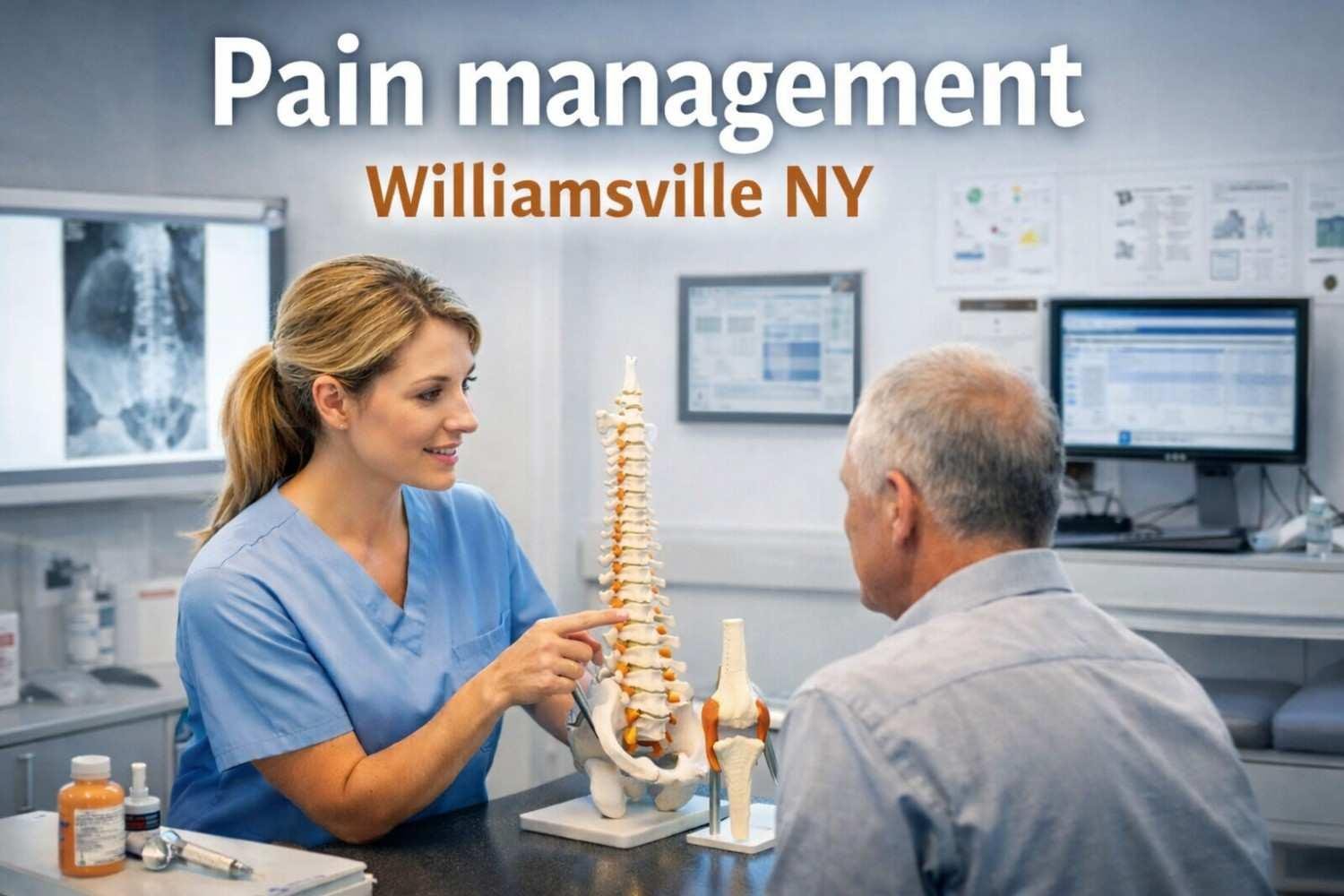
Living with ongoing pain can affect nearly every aspect of daily life—from mobility and sleep to work performance and emotional well-being. When discomfort lasts for weeks or months, it often requires more than temporary solutions. Pain management Williamsville NY focuses on identifying the root cause of pain and creating personalized treatment strategies designed to provide...
Industrial cleaning has evolved significantly over the years. Traditional methods such as manual scrubbing or chemical soaking often fail to remove microscopic contaminants from delicate parts. This is where ultrasonic cleaning technology has become widely adopted across industries. From electronics and automotive components to precision tools and molds, ultrasonic systems provide a reliable...

Your child’s vision serves as an integral component of their educational progress and overall development. Detection of an eye problem in a child results in the successful prevention of future vision-related problems. Thus, seeking a Paediatric eye specialist ensures you get critical treatment while helping your child develop proper vision. What is Paediatric Ophthalmology? Paediatric...

Fall in Love with God’s Own Country Some journeys are measured in miles, while others are measured in moments. Kerala, famously known as “God’s Own Country,” is a destination where every moment feels like a beautiful story unfolding. With its tranquil backwaters, lush green landscapes, and rich traditions, Kerala offers a travel experience that goes beyond the ordinary....
