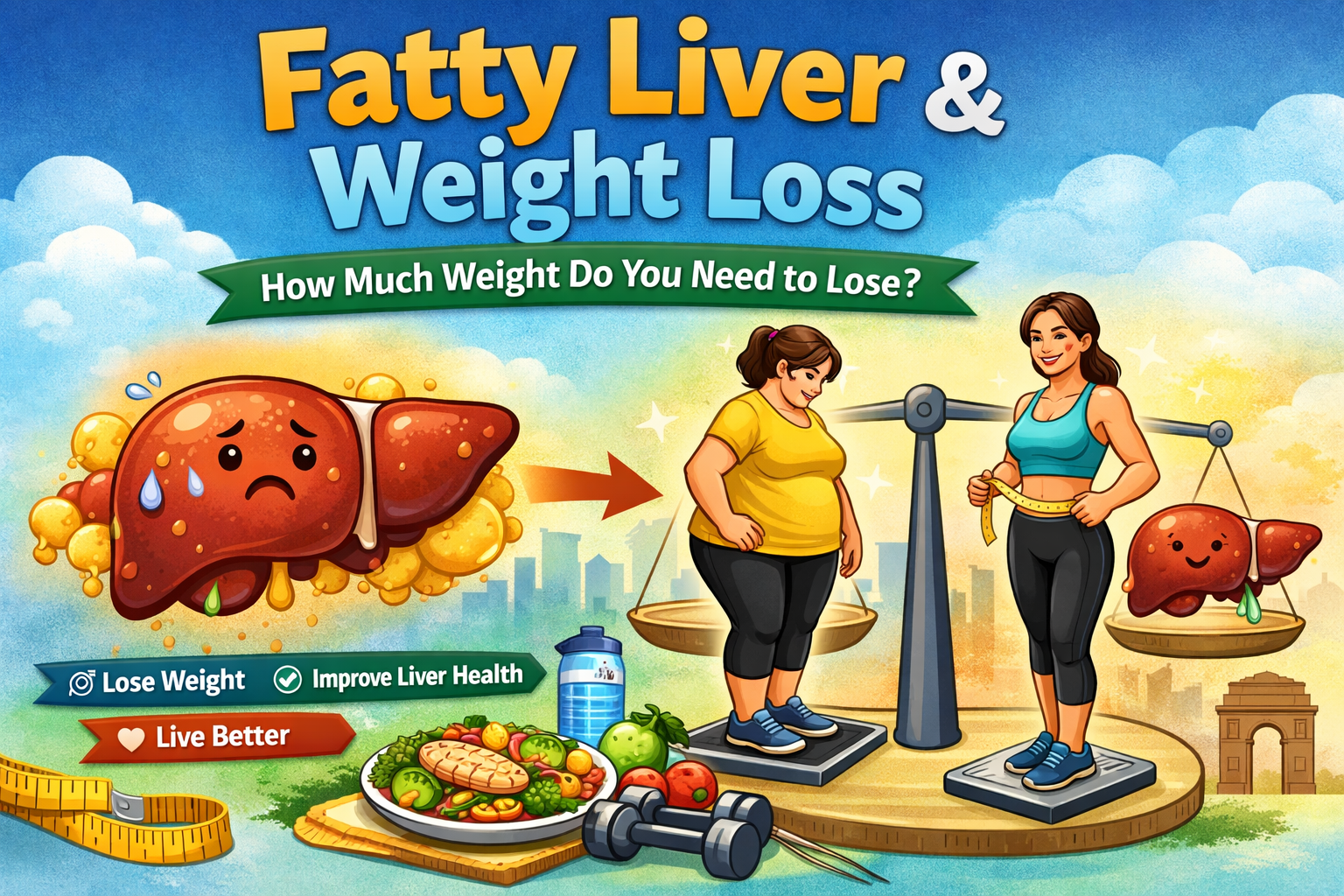
1 . What is Fatty Liver Disease?
Fatty liver disease happens when excess fat builds up inside liver cells. Normally, the liver contains very little fat. But when fat makes up more than 5-- 10% of the liver's weight, it is considered fatty liver disease.
The liver is one of the hardest-working organs in your body. It performs more than 500 vital functions, including:
Detoxifying harmful substances
Producing bile for digestion
Storing nutrients
Regulating metabolism
When fat starts accumulating in the liver, it interferes with these functions.
Think of your liver like a busy factory. If too much waste piles up inside the factory, production slows down. That's exactly what happens in fatty liver disease.
2. Why Fat Accumulates in the Liver
Several factors can cause fat buildup in the liver. The most common ones include:
• Obesity or excess body weight
• Poor diet (high sugar and processed foods).
• Lack of physical activity.
• Diabetes or insulin resistance.
• High cholesterol or triglycerides.
When the body takes in more calories than it burns, the extra energy gets stored as fat. Some of that fat ends up in the liver.
Over time, this fat accumulation can lead to inflammation, scarring, and even liver failure if not treated early.
3. Types of Fatty Liver Disease
Fatty liver disease is broadly divided into two types:.
Non-Alcoholic Fatty Liver Disease (NAFLD).
This is the most common type. It occurs in people who drink little or no alcohol.
NAFLD is strongly linked to:.
Obesity.
Diabetes.
Metabolic syndrome.
Alcohol-Related Fatty Liver Disease.
This type develops due to excessive alcohol consumption, which damages liver cells.
Both conditions can progress to liver inflammation, cirrhosis, and liver failure if untreated.
4. Why Weight Loss Matters for Liver Health
Weight loss is the most effective treatment for fatty liver disease.
Studies show that reducing body weight helps:.
Decrease fat stored in the liver.
Reduce liver inflammation.
Improve insulin sensitivity.
Prevent liver scarring.
In fact, doctors often recommend lifestyle changes before medications.
Why? Because fatty liver is largely driven by metabolic health, and weight loss directly improves metabolism.
5. How Much Weight Loss Improves Fatty Liver
Here's the key question everyone asks.
You do NOT need to lose massive amounts of weight.
Research shows:.
Weight Loss Effect on Liver.
3-- 5% body weight Reduces liver fat.
7-- 10% body weight Improves inflammation.
10% or more Can reverse liver damage.
For example:.
If someone weighs 80 kg, losing just 4-- 8 kg can significantly improve fatty liver.
This may sound small, but the impact is powerful.
Even modest weight loss can reduce liver fat by up to 30%.
6. What Happens to the Liver When You Lose Weight
When you start losing weight, several positive changes occur inside your body.
Reduced Liver Fat.
Fat stored in the liver begins to break down and get used as energy.
Improved Insulin Sensitivity.
Weight loss helps the body respond better to insulin, reducing fat storage.
Lower Inflammation.
Inflammation in the liver decreases, preventing damage.
Better Liver Function.
Liver enzymes like ALT and AST often return to normal levels.
Think of weight loss as cleaning out a cluttered room. Once the excess fat is removed, the liver can function smoothly again.
7. Best Diet for Fatty Liver and Weight Loss
A healthy diet is essential for reversing fatty liver.
Foods to Eat.
• Fruits and vegetables.
• Whole grains.
• Lean protein (fish, chicken, lentils).
• Healthy fats (olive oil, nuts).
• Green tea and coffee.
Foods to Avoid.
• Sugary drinks.
• Processed foods.
• Refined carbohydrates.
• Excess fried foods.
• High-fructose corn syrup.
Many doctors recommend a Mediterranean-style diet, which is proven to improve liver health.
8. The Role of Exercise in Reversing Fatty Liver
Exercise plays a crucial role in reducing liver fat.
Both aerobic exercise and strength training are beneficial.
Recommended activities include:.
Brisk walking.
Cycling.
Swimming.
Yoga.
Strength training.
Experts suggest at least 150 minutes of exercise per week.
Even simple habits like taking stairs instead of elevators can make a difference.
9. How Fast Should You Lose Weight?
While losing weight is beneficial, losing it too quickly can harm the liver.
Rapid weight loss may actually increase liver inflammation.
Doctors usually recommend:.
0.5 to 1 kg per week.
This gradual approach ensures sustainable and healthy weight loss.
Remember: slow and steady wins the race, especially when it comes to liver health.
10. Lifestyle Habits That Help Reduce Liver Fat
Besides diet and exercise, several lifestyle habits can help improve fatty liver.
Improve Sleep.
Poor sleep can worsen metabolic health.
Reduce Stress.
Chronic stress increases fat storage in the body.
Limit Alcohol.
Even small amounts can worsen liver damage.
Stay Hydrated.
Water helps the liver flush out toxins.
Small lifestyle adjustments can create big improvements over time.
11. Signs Your Fatty Liver is Improving
Fatty liver often has no noticeable symptoms, so improvement may not be obvious.
However, doctors may notice improvements through:.
Lower liver enzyme levels.
Reduced liver fat on ultrasound.
Better cholesterol levels.
Improved blood sugar control.
Regular health check-ups are essential to track progress.
12. When Fatty Liver Becomes Dangerous
If untreated, fatty liver can progress to serious conditions such as:.
• NASH (Non-Alcoholic Steatohepatitis).
• Liver fibrosis.
• Liver cirrhosis.
• Liver cancer.
At advanced stages, the liver may lose its ability to function properly.
That's why early lifestyle changes are critical.
13. When to Consult a Liver Specialist
If fatty liver progresses or liver tests remain abnormal, consulting a liver expert becomes important.
You should see a specialist if:.
Liver enzymes stay high.
Imaging shows fibrosis or cirrhosis.
You have diabetes and fatty liver.
Symptoms like fatigue or swelling appear.
A qualified hepatologist or best liver transplant specialist in delhi can evaluate the severity of liver disease and recommend the right treatment.
14. Advanced Treatment Options for Severe Liver Disease
In advanced stages, lifestyle changes alone may not be enough.
Doctors may recommend:.
Medications-- to control inflammation and metabolic issues.
Fibrosis monitoring-- using specialized imaging tests.
Liver transplant-- in cases of severe cirrhosis or liver failure.
Consulting the best liver transplant specialist in delhi ensures access to advanced treatment and expert care when liver disease becomes critical.
15. Preventing Fatty Liver in the Future
Prevention is always easier than treatment.
Simple habits can keep your liver healthy:.
Maintain a healthy weight.
Exercise regularly.
Eat balanced meals.
Avoid excessive sugar.
Limit alcohol consumption.
Get regular health check-ups.
Your liver is incredibly resilient-- but it needs your support.
Treat it well, and it will work hard for you for decades.
Conclusion
Fatty liver disease may sound alarming, but the reality is encouraging: it is often reversible with lifestyle changes.
You don't need drastic weight loss. Even losing 5-- 10% of your body weight can significantly reduce liver fat and improve liver health.
By combining healthy eating, regular exercise, and sustainable habits, many people successfully reverse fatty liver before it becomes serious.
However, if liver disease progresses or complications arise, seeking expert care from the best liver transplant specialist in delhi can help ensure proper diagnosis, treatment, and long-term liver health.
Your liver quietly supports your body every single day. Taking care of it today can prevent serious health problems tomorrow.