


Exterior Brick Stain vs Silicate Paint: The Truth Nobody Explains Clearly
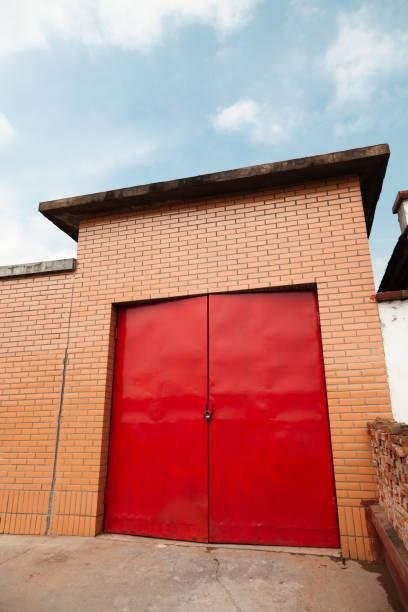
Brick looks tough. Solid. Like it should last forever without help. That’s the myth. Truth is, exterior brick takes a beating every single day. Sun. Rain. Pollution. Salt. Time. And eventually it shows. Fading. Chalky patches. Weird dark spots that weren’t there before. At some point, you start thinking about changing or protecting it.
That’s when the rabbit hole opens. Exterior brick stain. Silicate paint. Masonry coatings. Mineral finishes. Everyone claims their product is the solution. Half the advice online sounds copied from brochures. The other half contradicts itself. This post clears the fog. No hype. No marketing fluff. Just how exterior brick stain and silicate paint actually work, where they shine, and where they fall flat. Real talk, contractor-to-human.
What Exterior Brick Stain Really Is (And What It Isn’t)
Exterior brick stain doesn’t sit on the surface. That’s the whole point. It penetrates. Instead of forming a film like paint, a proper mineral-based brick stain soaks into the brick’s pores. The color becomes part of the masonry, not something layered on top. That’s why it doesn’t peel. There’s nothing to peel.
But not all stains are created equal. Some are glorified dyes mixed with acrylic binders. Those behave more like paint over time. True exterior brick stain uses mineral pigments and breathable binders that let moisture move naturally.
That breathability matters more than most people realize. Brick wants to breathe. Trap moisture inside, and you’ll pay for it later. Efflorescence. Spalling. Freeze-thaw damage. Ugly stuff. Good brick stain respects the brick. It works with it, not against it.
Silicate Paint Explained Without the Chemistry Lecture
Silicate paint sounds complicated. It kind of is. But also not. At its core, silicate paint uses potassium silicate as a binder. Instead of sticking to the surface, it chemically bonds with mineral substrates like brick, stone, and concrete. That process is called silicification. Fancy word. Simple result: the paint becomes part of the masonry.
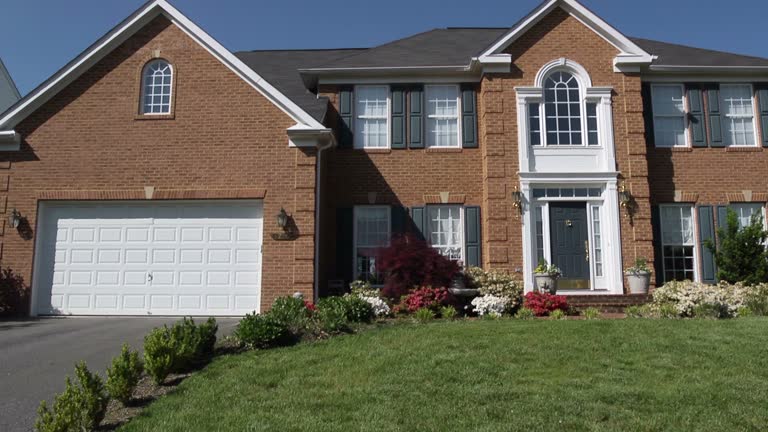
Once cured, silicate paint doesn’t form a soft film. It turns rock-hard. Durable. UV stable. Breathable. Mold-resistant. All good things. But here’s the catch. Silicate paint is unforgiving. Prep has to be right. Substrate has to be mineral. No old acrylic coatings hiding underneath. No shortcuts. When it works, it works beautifully. When it doesn’t, it fails loudly.
Exterior Brick Stain vs Silicate Paint: The Core Difference
If you strip it down to basics, the difference comes down to depth versus coverage. Exterior brick stain penetrates deeply and preserves texture. You still see brick. You still feel brick. The color shift looks natural, almost like the brick was fired that way.
Silicate paint offers more surface coverage. It evens out inconsistent brick. Hides stains better. Gives a more uniform appearance while staying breathable. One isn’t better across the board. They solve different problems. If your brick already looks decent and you just want a color upgrade that won’t choke it, stain makes sense. If your brick is patchy, scarred, or mismatched from repairs, silicate paint can clean that mess up. Different tools. Different jobs.
How Brick Condition Dictates the Right Choice
This part gets skipped too often. Brick condition matters more than color preference. Old brick, soft brick, handmade brick—these behave differently than modern, dense masonry. Exterior brick stain works best on absorbent brick. If water soaks in quickly, stain will too. That’s a good sign. Dense, sealed, or previously painted brick may resist penetration, leading to uneven results.
Silicate paint tolerates more variation but demands a clean, mineral surface. Any leftover latex paint, sealers, or water repellents will block the chemical bond. Miss that step and the coating won’t last. Before choosing anything, test absorption. Spray water. Watch it. Brick tells you what it wants if you pay attention.
Color Control: Natural Variation vs Uniform Finish
This is where expectations get people in trouble. Exterior brick stain enhances what’s already there. It doesn’t erase variation. Mortar lines still show. Brick tones still differ slightly. That’s part of the charm. It looks real. Because it is.
Silicate paint gives more control. You can mute harsh contrasts. Create a consistent tone across old and new masonry. It’s not plastic-looking like acrylic paint, but it is more uniform. Some homeowners love that. Others hate it. Neither is wrong. Just don’t expect stain to act like paint. And don’t expect silicate paint to look like bare brick.

Weather Resistance and Long-Term Performance
Both exterior brick stain and silicate paint handle weather better than standard masonry paint. That’s not a high bar, but still. Mineral pigments don’t fade easily. UV light barely touches them. That’s why old European buildings still hold color after decades. Exterior brick stain won’t peel or blister. Over time, it may soften slightly as brick weathers, but it doesn’t fail catastrophically. Maintenance is minimal. Silicate paint becomes part of the wall. Literally. It resists algae, mildew, and pollution buildup better than organic coatings. In harsh climates, that matters. That said, silicate paint is less forgiving of movement. Cracks telegraph through. Brick stain follows the masonry more naturally.
Application Realities Nobody Likes Talking About
Let’s be honest. Neither option is beginner-friendly. Exterior brick stain requires patience. Wet-on-wet techniques. Multiple passes. Testing colors on actual brick, not sample boards. It’s slower than rolling paint. Silicate paint demands strict prep. Pressure washing. pH control. Proper primers when needed. Miss one step and the chemical bond won’t happen. DIYers can succeed, but only if they slow down. Most failures come from rushing. Or assuming brick behaves like drywall. It doesn’t. If you want fast and foolproof, neither of these is your product. If you want longevity, they’re worth the effort.
Environmental and Breathability Considerations
This is where mineral systems quietly win. Exterior brick stain and silicate paint are vapor permeable. Moisture escapes instead of getting trapped. That keeps masonry healthier long-term. They’re also lower in VOCs than most acrylic coatings. Fewer solvents. Less off-gassing. Better for old buildings and enclosed urban spaces. Breathability isn’t a buzzword. It’s the difference between brick aging gracefully or falling apart from the inside out. Once you’ve seen spalled brick from trapped moisture, you don’t forget it.
Maintenance, Touch-Ups, and Aging Over Time
Nothing lasts forever. But some things age better. Exterior brick stain fades gradually, if at all. Touch-ups blend well because the color lives in the brick. No lap marks. No sheen differences. Silicate paint lasts decades when applied correctly. Touch-ups are possible, but color matching years later can be tricky. Mineral paints age slowly, but they do change. Neither option needs regular repainting. That alone puts them miles ahead of conventional exterior paint. Long-term cost evens out fast when you stop repainting every 7–10 years.
Cost Reality: Upfront vs Long-Term
Let’s not dance around it. Mineral systems cost more upfront. Materials are pricier. Labor is slower. Skilled applicators charge accordingly. That scares people off. But compare that to repainting brick every decade. Add scaffolding. Prep. Disposal. It stacks up fast. Exterior brick stain and silicate paint are investments, not quick fixes. If you’re flipping a house next year, look elsewhere. If you plan to live there, it’s a different equation. Cheap coatings are expensive over time. Brick remembers everything you put on it.

Choosing the Right Product Without Guessing
Here’s the blunt advice. If you want brick to still look like brick, choose exterior brick stain. If you need visual correction but still want breathability, choose silicate paint. Test first. Always. On your actual wall. In real light. After it dries. And don’t trust color charts blindly. Mineral products react with the substrate. Brick color underneath matters more than you think. When in doubt, talk to specialists who actually work with mineral coatings daily, not general paint stores.
Why Mineral Stains Gets This Right
This isn’t about pushing a logo. It’s about focus. Mineral Stains specializes in mineral-based exterior brick stain and silicate systems. Not twenty product lines. Not acrylic shortcuts. Just breathable, masonry-safe finishes that last. Their formulas are built for real brick. Old brick. New brick. Ugly brick that deserves a second chance. If you want guidance that’s practical, not salesy, this is where you start.
FAQs: Exterior Brick Stain and Silicate Paint
Is exterior brick stain better than paint?
For brick health, yes. It penetrates instead of sealing the surface, reducing peeling and moisture issues.
Can silicate paint go over previously painted brick?
Only if all non-mineral coatings are completely removed. Silicate paint must bond directly to masonry.
Does exterior brick stain change texture?
No. It preserves the natural texture and character of the brick.
How long does silicate paint last on exterior brick?
Properly applied, it can last 20–30 years or more with minimal maintenance.
Will brick still breathe after staining?
Yes. High-quality mineral stains remain vapor permeable.
Can I DIY exterior brick stain?
You can, but testing and patience are critical. Rushing leads to uneven results.
Categories
- Lifestyle
- Motivation
- News & Trends
- AI
- Gadgets & Reviews
- Tech News
- Marketing
- Education
- Health & Fitness
- Travel
- Food & Cooking
- Entertainment
- Home & Living
- Sports
- Art
- Causes
- Crafts
- Dance
- Drinks
- Film
- Fitness
- Food
- Games
- Gardening
- Health
- Home
- Literature
- Music
- Networking
- Other
- Party
- Religion
- Shopping
- Sports
Read More
If you are suffering from joint pain, fractures, arthritis, or any bone-related condition, it is important to seek expert medical care without delay. Consulting the best Bone specialist in Chhatrapati Sambhaji Nagar can help you receive accurate diagnosis, advanced treatment, and faster recovery. Orthopedic problems, when ignored, can worsen over time and affect your mobility and overall...

DLF One Midtown Motinagar is one of the most sought-after residential developments in West Delhi, offering a perfect balance of luxury, connectivity, and modern lifestyle. Designed for urban homebuyers, DLF One Midtown Motinagar reflects a refined living experience with thoughtfully planned residences and high-end infrastructure. Its growing popularity is driven by its strategic...

Lighting plays a vital role in shaping modern interiors. It sets the mood, improves functionality, and turns simple spaces into visually appealing environments. In a dynamic design city like Dubai, the need for professional Indoor Lighting Services Dubai is steadily increasing as homes and workplaces become more sophisticated, energy-efficient, and design-focused. At Larsa Lighting, we deliver...

Transform Your Business with Digital Marketing in Saket Every business wants visibility. However, visibility alone is not enough. You need the right strategy to convert visitors into customers. Therefore, choosing a reliable Digital Marketing Service In Saket becomes crucial. ASEPS WEB TECH helps businesses grow online with smart and practical strategies. It focuses on results, not just...

There was a time when having more options meant more power. Search engines were built on this idea—present users with a list of choices, and let them decide. Ten links. Endless tabs. Multiple comparisons. The user was in control. But that model is fading. Today, we are entering what can only be described as the One-Answer Era—a digital environment where users no longer sift through...
